Roof Damage Repair in Vancouver, WA
A ceiling stain is evidence of water, but it does not identify where the roof opened. Water can follow a deck, insulation joint or framing before it appears indoors. We document the reported area, inspect the roof details above and nearby, and separate visible damage from a suspected source. That distinction matters when the first repair did not hold or the leak appears only under certain weather conditions.
Vancouver roofs face recurring rain, winter wind and occasional snow or ice. A roof near the Port of Vancouver may have long exposed edges and frequent equipment access; a downtown property near Esther Short Park may have tighter staging and occupied entrances. Weather and setting guide the inspection, while the specific assembly and evidence determine the repair.
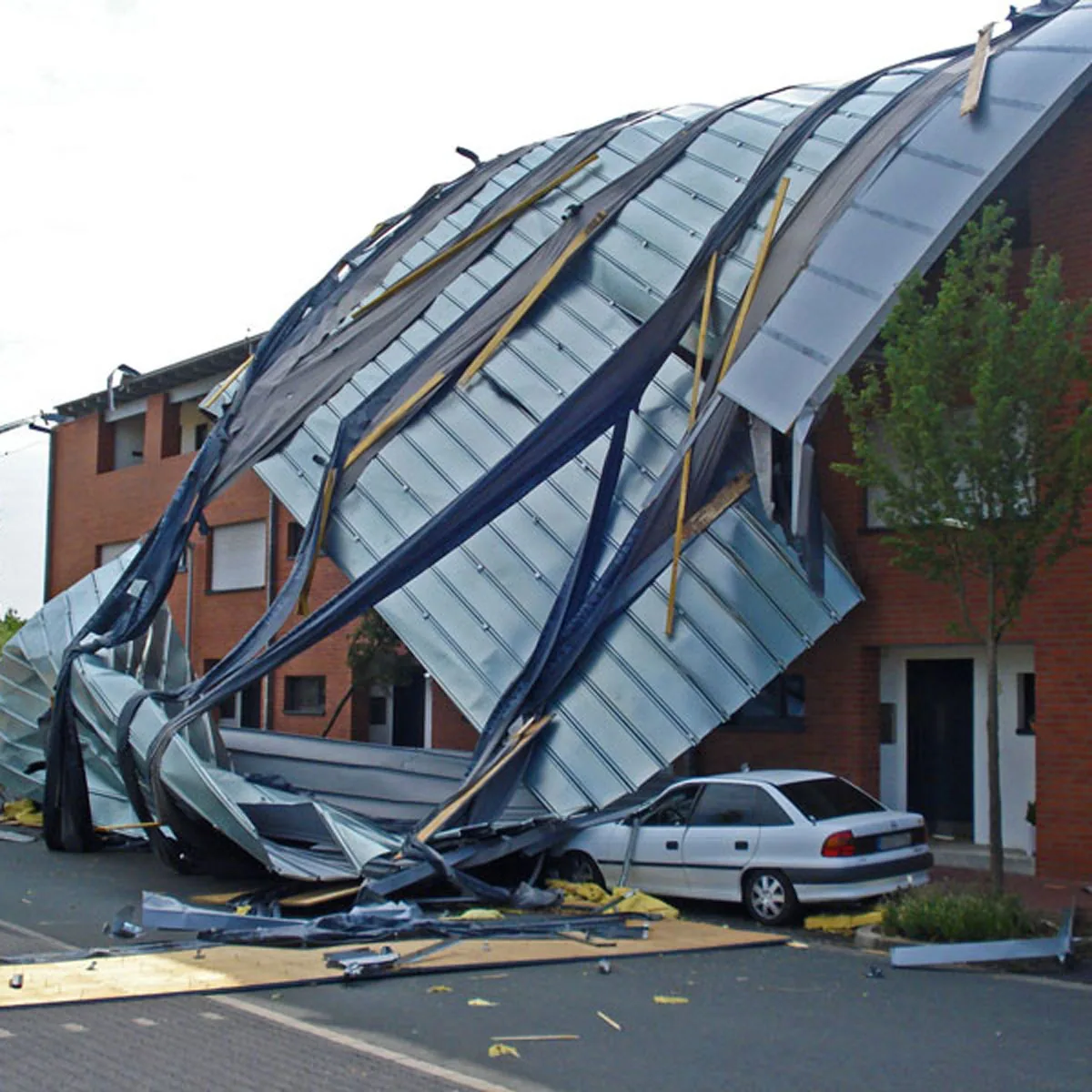 | Wind Damage Roof RepairRepair commercial roof damage from wind in Vancouver, WA. We inspect edges, flashing and attachment, protect openings and define the permanent repair scope. |
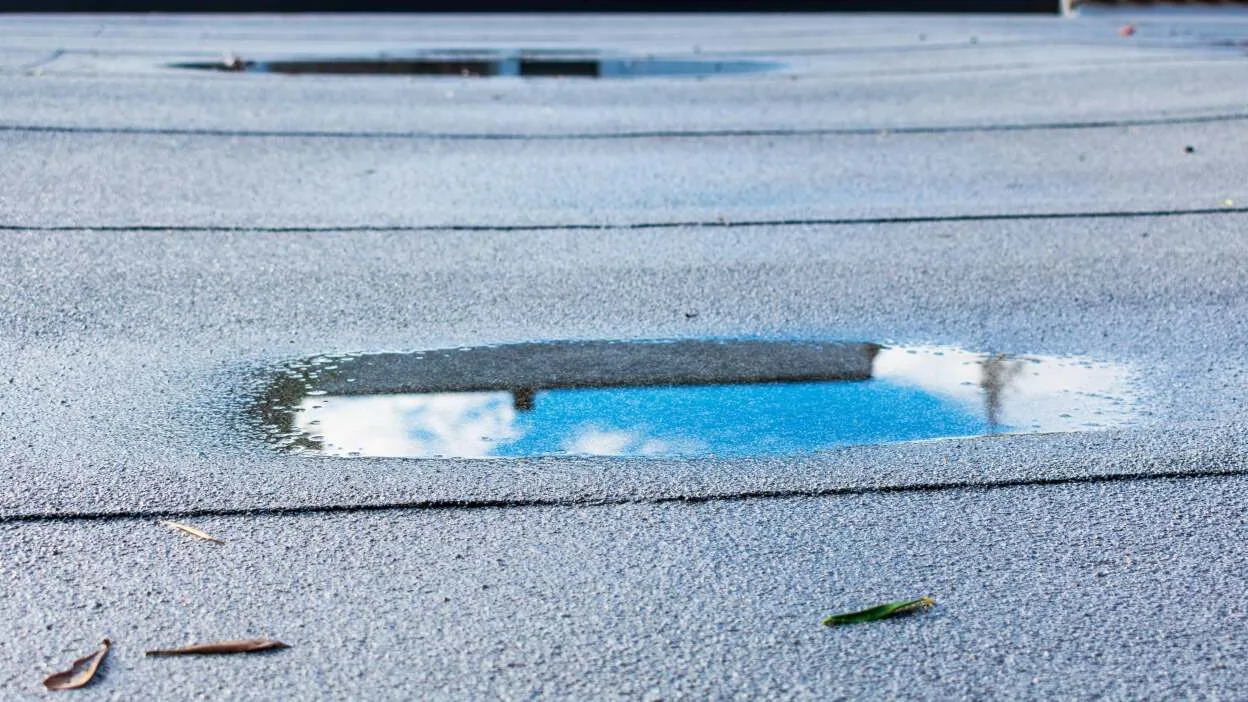 | Ponding Water Roof RepairCorrect commercial roof ponding in Vancouver, WA with drainage checks, documented low areas and repair options matched to the roof assembly. |
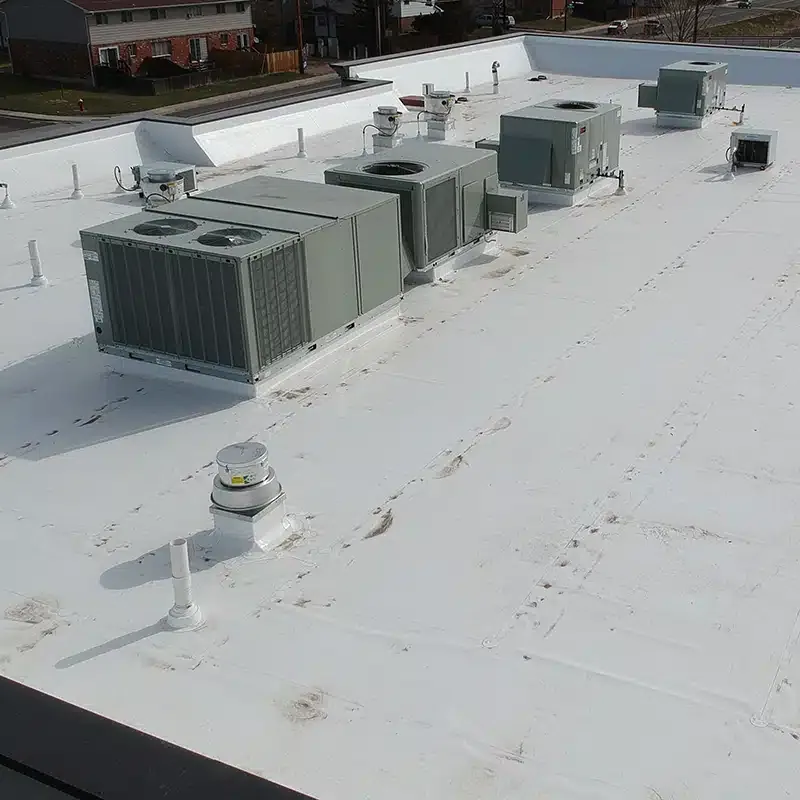 | Commercial Roof Flashing Failure RepairRepair failed commercial roof flashing in Vancouver, WA. We inspect transitions, trace water entry and document the repair boundary for each building. |
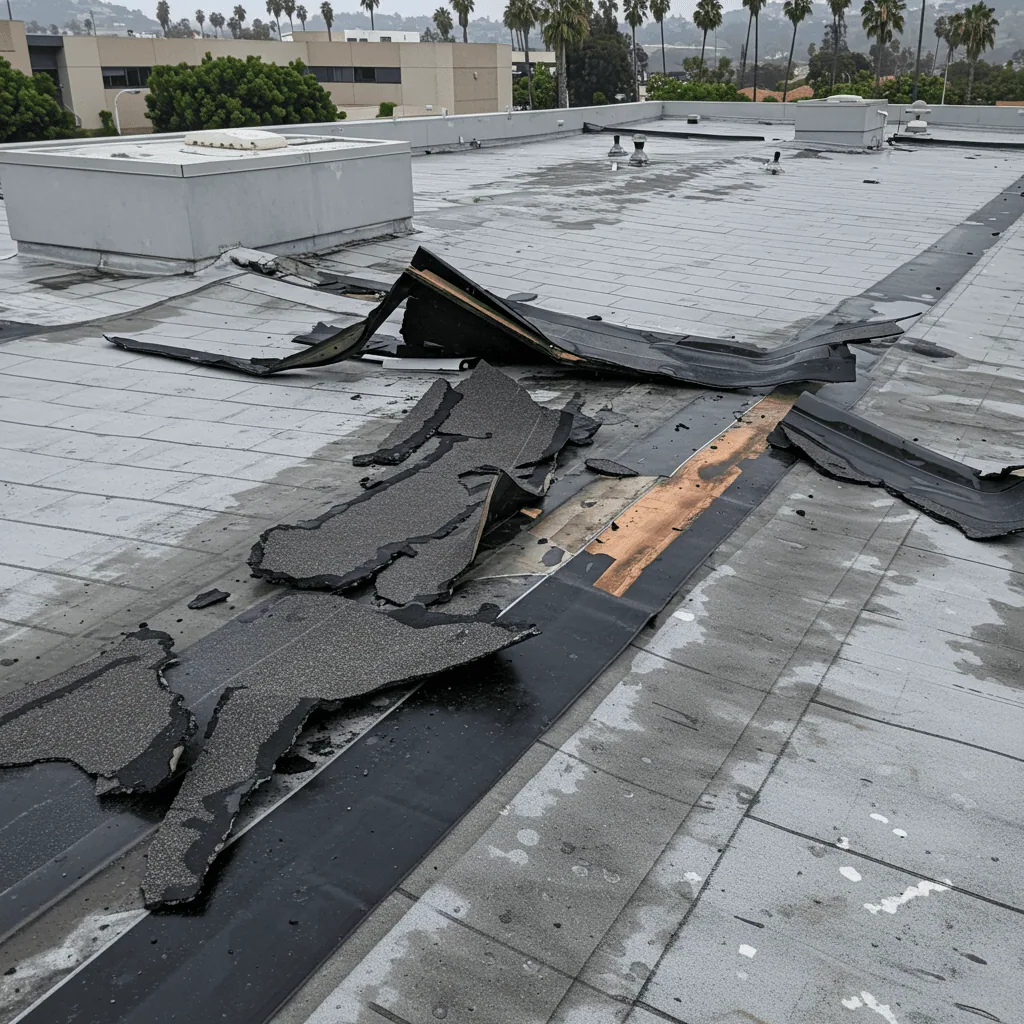 | Commercial Roof Seam Failure RepairRepair split or open commercial roof seams in Vancouver, WA. We inspect the membrane lap, trace moisture and define a compatible repair scope. |
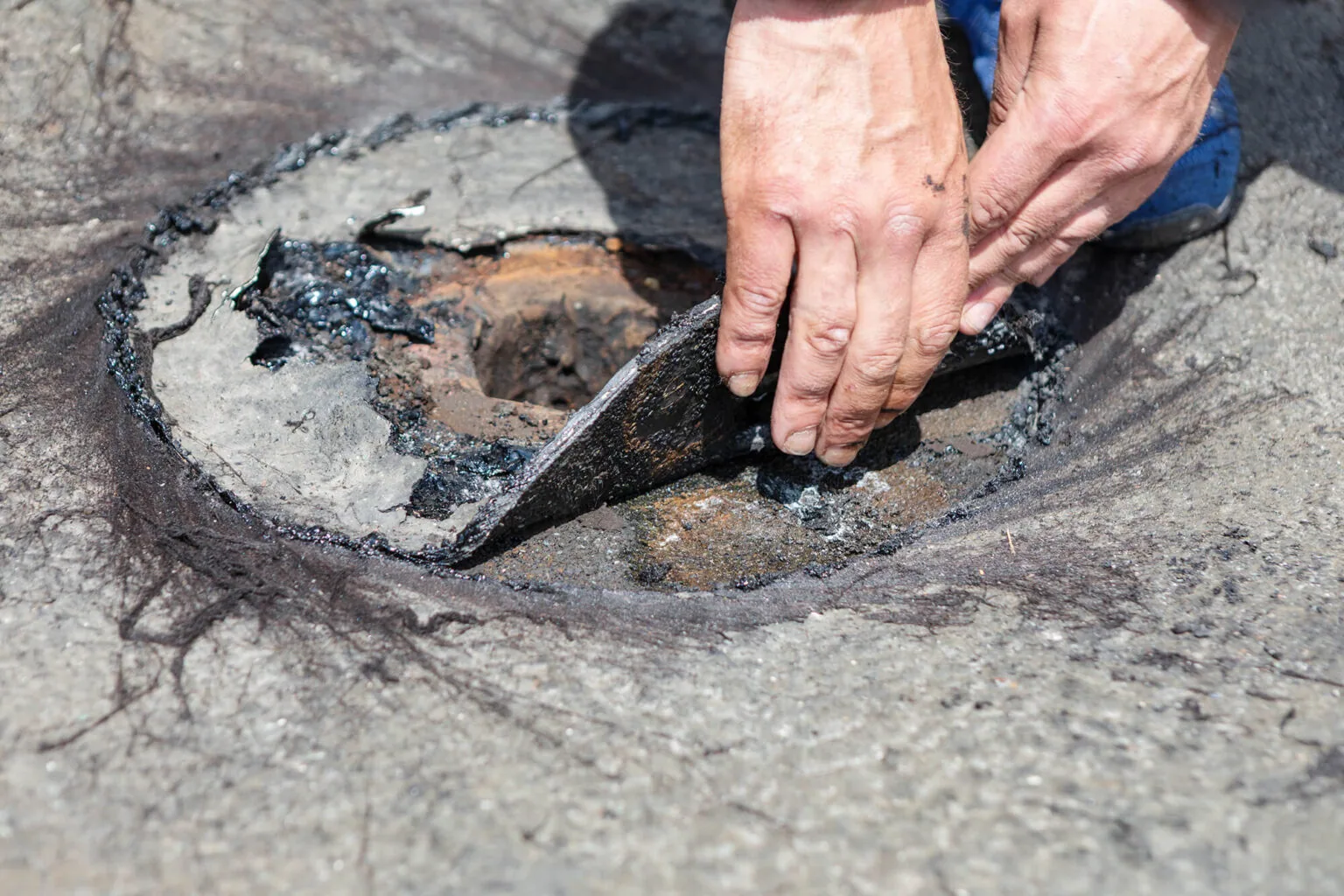 | Commercial Roof Membrane Puncture RepairRepair punctures and foot-traffic damage on Vancouver commercial roofs. We inspect the membrane, trace moisture and document the repair area. |
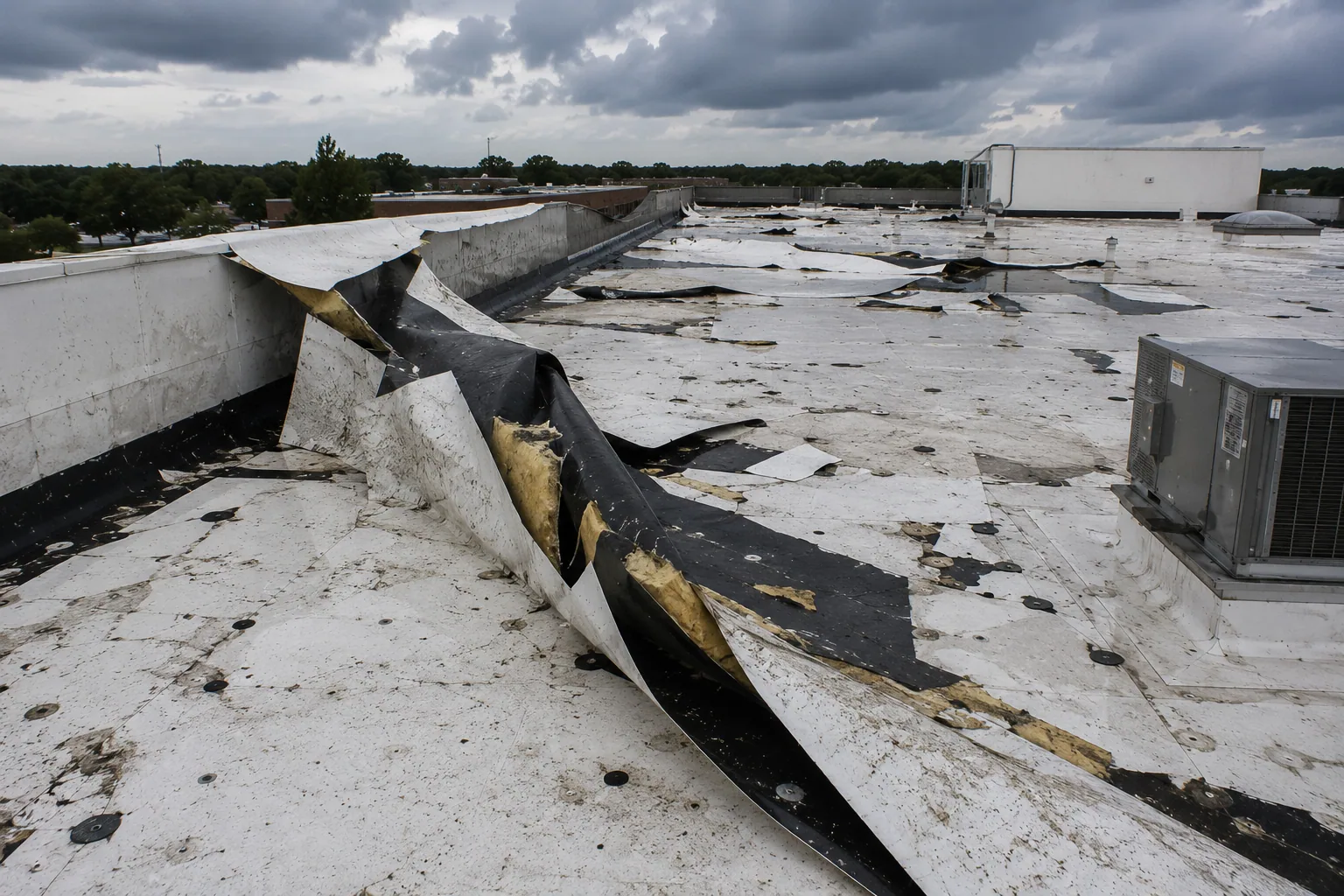 | Commercial Roof Fire Damage RepairInspect and repair commercial roof fire damage in Vancouver, WA. We document heat, smoke and water effects and define safe temporary and permanent work. |
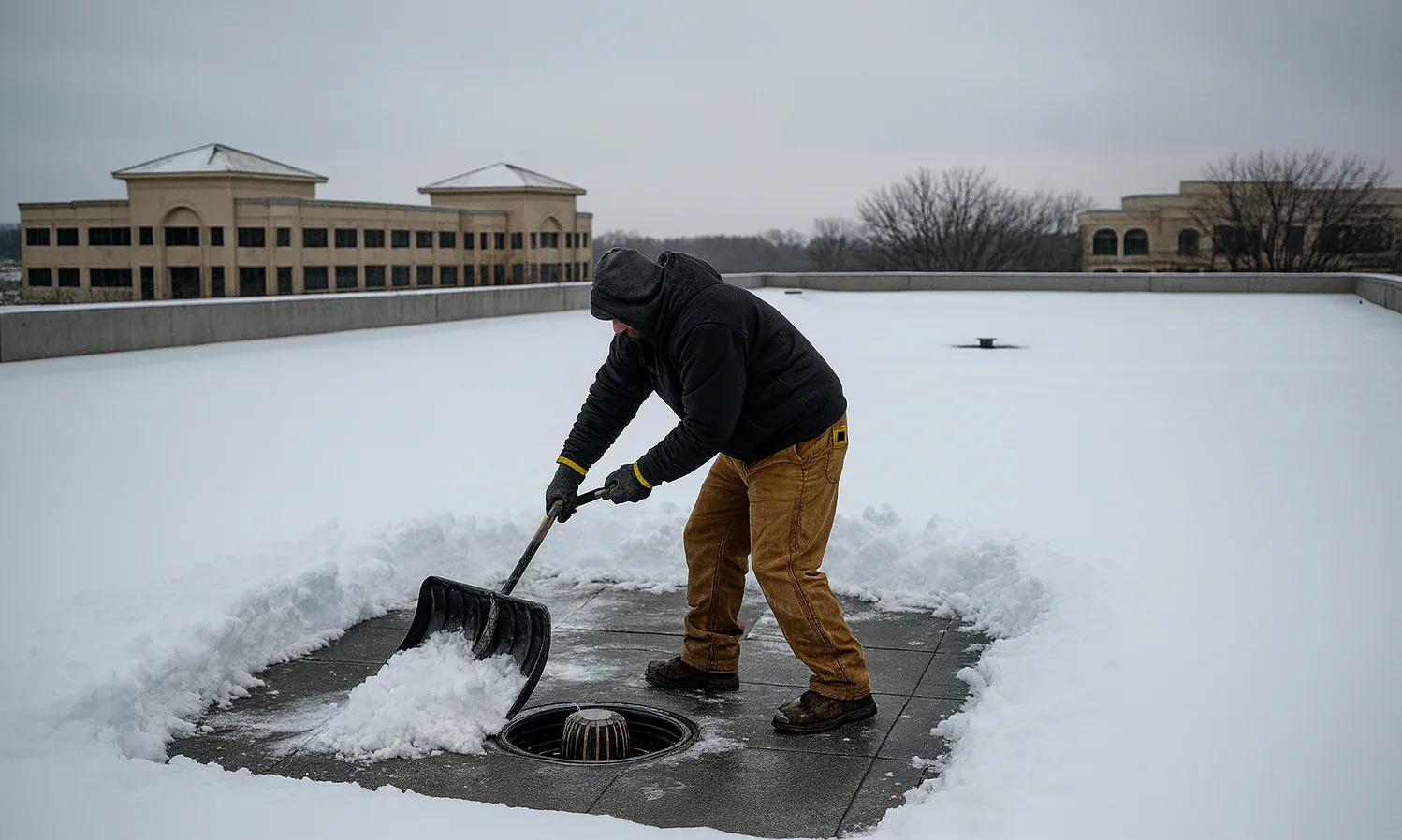 | Commercial Roof Snow and Ice Damage RepairInspect snow and ice damage on commercial roofs in Vancouver, WA. We review drainage, flashing and affected areas before defining repair or protection. |
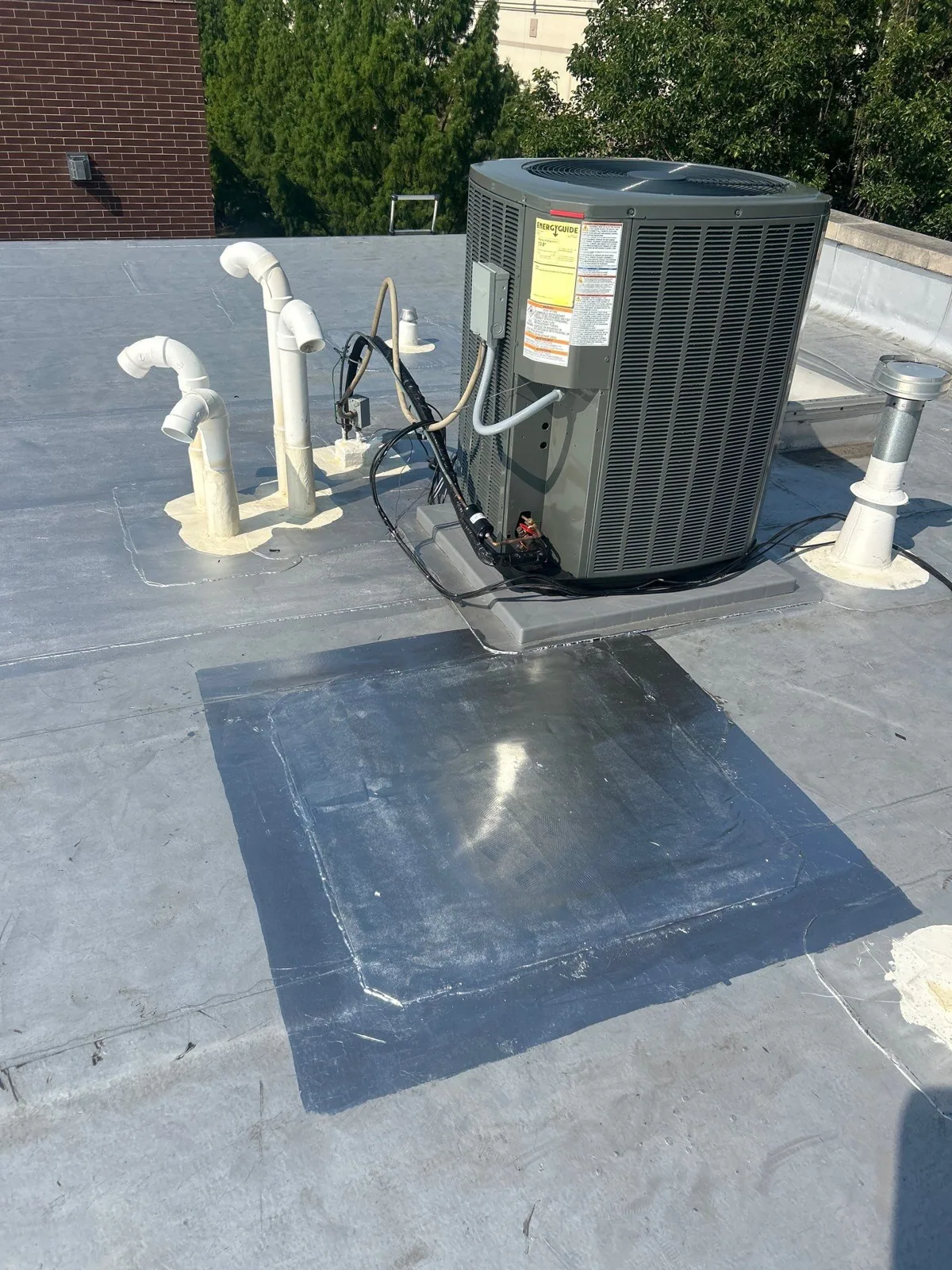 | Commercial Roof Heat and UV Damage RepairInspect heat and UV degradation on Vancouver commercial roofs. We assess membrane, coating and flashing condition and define repair or restoration options. |
Trace the Condition Before Choosing a Repair
Wind can lift edges, loosen flashing or move debris against a roof. For wind damage roof repair, we inspect perimeter details, attachment and nearby transitions rather than assuming the membrane field is the only concern. Standing water calls for a different investigation: ponding-water roof repair starts with drain function, slope, deflection and the observed depth and extent of water. A repair that seals a symptom without addressing drainage may leave the same condition in place.
At transitions and seams, we check the specific connection. Flashing failure repair can involve curbs, walls, penetrations or edges; seam failure repair requires materials compatible with the installed system and a sound bond or weld. Membrane puncture repair depends on the puncture, surrounding surface condition and any moisture below it.
Account for Less Visible Roof Damage
Not all damage begins with a storm. Fire exposure can affect membranes, insulation, coatings and the deck beyond a visibly burned area. A fire-damage roof assessment documents the affected assembly and identifies where additional evaluation may be needed. In cold periods, snow and ice roof damage repair may involve blocked drainage, ice accumulation, displaced components or water entry after a freeze-thaw cycle. Safe access and conditions on the roof determine when an inspection can proceed.
Prolonged sun and heat can age exposed materials and stress details. For heat and UV roof damage, we look for surface deterioration in context with seams, flashings and the expected service of the assembly. A weathered surface does not by itself prove that a full replacement is necessary; testing, repair history and moisture evidence can change the recommendation.
A Repair Scope That Records What Is Known
After inspection, we describe the roof areas checked, conditions observed, likely repair boundary and any access or testing limitations. If an active leak threatens occupants, equipment or stored goods, the owner can use that information to decide whether temporary protection is needed while permanent work is scheduled. We do not describe a temporary measure as a completed repair.
Repair materials must suit the membrane or roof assembly already installed. We confirm compatibility, substrate condition, weather window and workmanship access before specifying a detail. When repeated failures, wet insulation or deteriorated decking extend beyond a local spot, we explain how those findings affect the options. The goal is a defined response supported by roof evidence, with remaining uncertainties called out for the property team.
Protect the opening first
When water is entering, stabilize the affected area if roof access is safe. Keep people and equipment clear of loose materials, and protect the interior under the leak. Record where temporary cover begins and ends. A later inspection can test wet insulation and set the permanent repair boundary without treating the emergency patch as completed work.
Commercial Roofing Questions
Should I repair a leak before the source is confirmed?
If interior damage is ongoing, protect the affected space and arrange an inspection promptly. A temporary measure may limit exposure, but the roof source and permanent scope still need to be verified.
What should we record before temporary cover goes on?
Photograph the opening and nearby details when safe. Note the address, roof section, time, interior impact and limits of the cover.
Does a storm report prove the roof needs replacement?
No. The inspection identifies observed damage and separates repairable details from conditions that justify a broader scope.
When can permanent repairs begin?
After safe access, suitable surface conditions and the approved repair boundary are confirmed. Weather or concealed damage can change the sequence.
Document the Roof Damage Share the property address, where water or damage appeared, when it began and any prior repairs. We will inspect the relevant roof areas and define the next step. Request a roof assessment or call 555-555-5555.