Emergency Commercial Roof Repair in Vancouver, WA
Get around-the-clock emergency roof response in Vancouver for active leaks, wind damage and roof openings, with temporary protection and a repair plan. Water entering above an active loading lane needs a fast, clear response. We provide commercial emergency roof service in Vancouver, WA at any hour, including nights, weekends and holidays. The first visit identifies the active opening, protects the affected area where conditions allow and records what remains exposed. Vancouver's winter wind and rain can keep pressure on roof edges and flashing for hours. At the Port of Vancouver, where warehousing and shipping operate alongside other industrial uses, access and work zones need to be coordinated with the facility contact. Emergency work is divided into immediate protection and permanent correction. A temporary cover or dry-in can reduce further entry while the membrane, insulation and deck are evaluated for lasting repair. We note the limits of that protection so it is not mistaken for a completed repair. After the roof is stable, a leak-tracing and repair visit can follow the water path to the failed seam, curb, penetration or edge detail. Contain the Active OpeningWe first establish where water is entering and which interior areas are affected. The report may point to one bay, equipment area or room, but the roof opening can be offset from the visible water. We inspect likely details above the report and identify a safe access route. Temporary coverings are secured to protect the exposed area when the roof surface and weather permit. We avoid covering an area blindly if trapped water, unstable material or unsafe wind conditions make that step unsuitable. Inside the building, the facility contact can move inventory or equipment, set containers under active drips and restrict access where floors are wet. Electrical or overhead hazards require attention from the responsible building team. We coordinate the repair area, roof access and movement below with the person managing the property. Industrial waterfront sites near the Columbia River can have active shipping, storage and vehicle routes. Those operations may need a clear work boundary while crews carry materials or use lifting equipment. Temporary protection is chosen for the observed opening and expected exposure. It can be a secured cover, temporary membrane patch or another dry-in method suited to the roof. Wind, rain, standing water, roof slope and the condition of the surface affect what can be installed. We document the protected area, how it is attached and any adjacent section that remains vulnerable. If conditions prevent safe roof work, we explain the constraint and the next viable step instead of implying that the roof is sealed. | 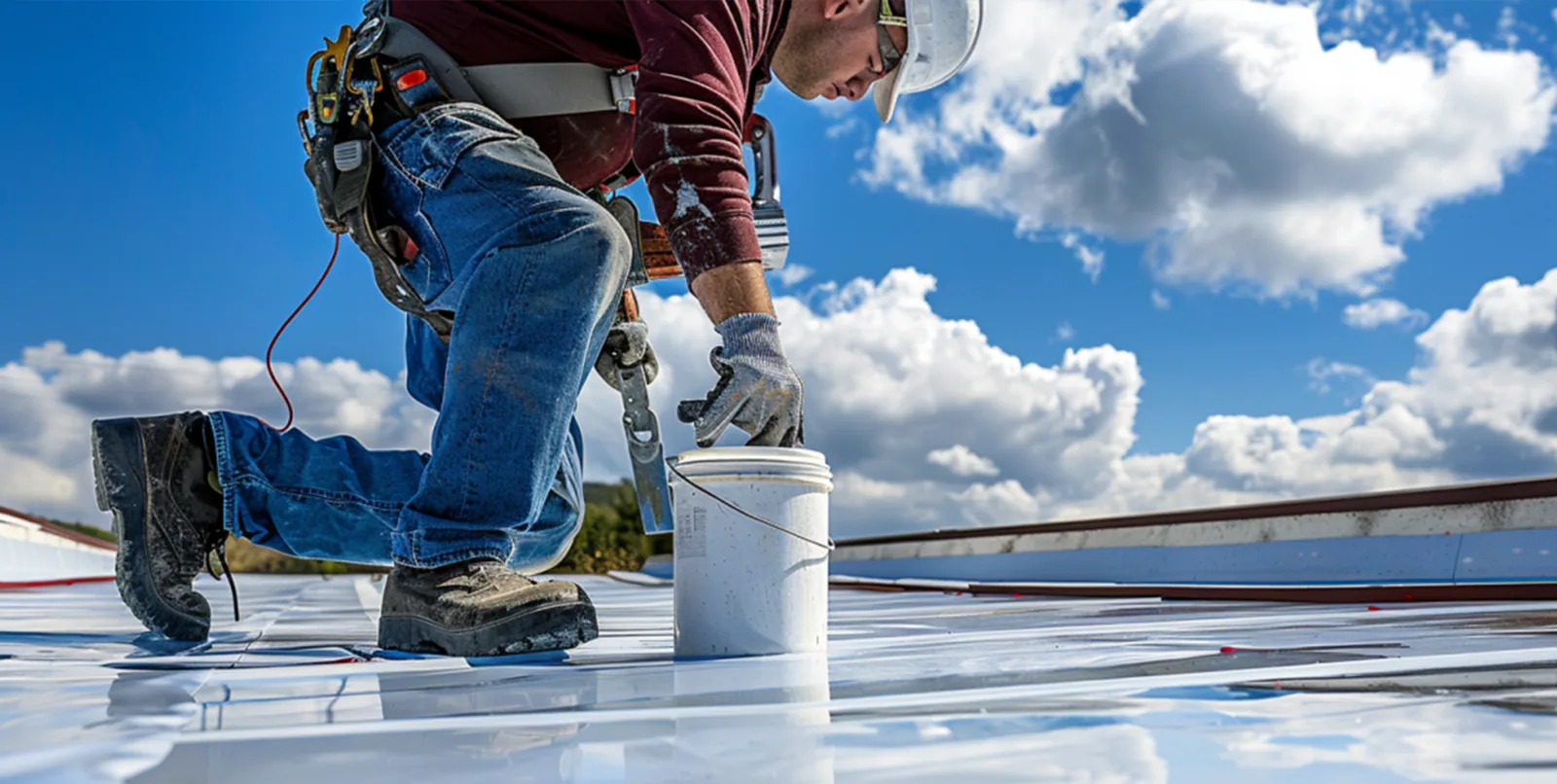 Request Emergency Roof Response Request a roof assessment or call 555-555-5555. 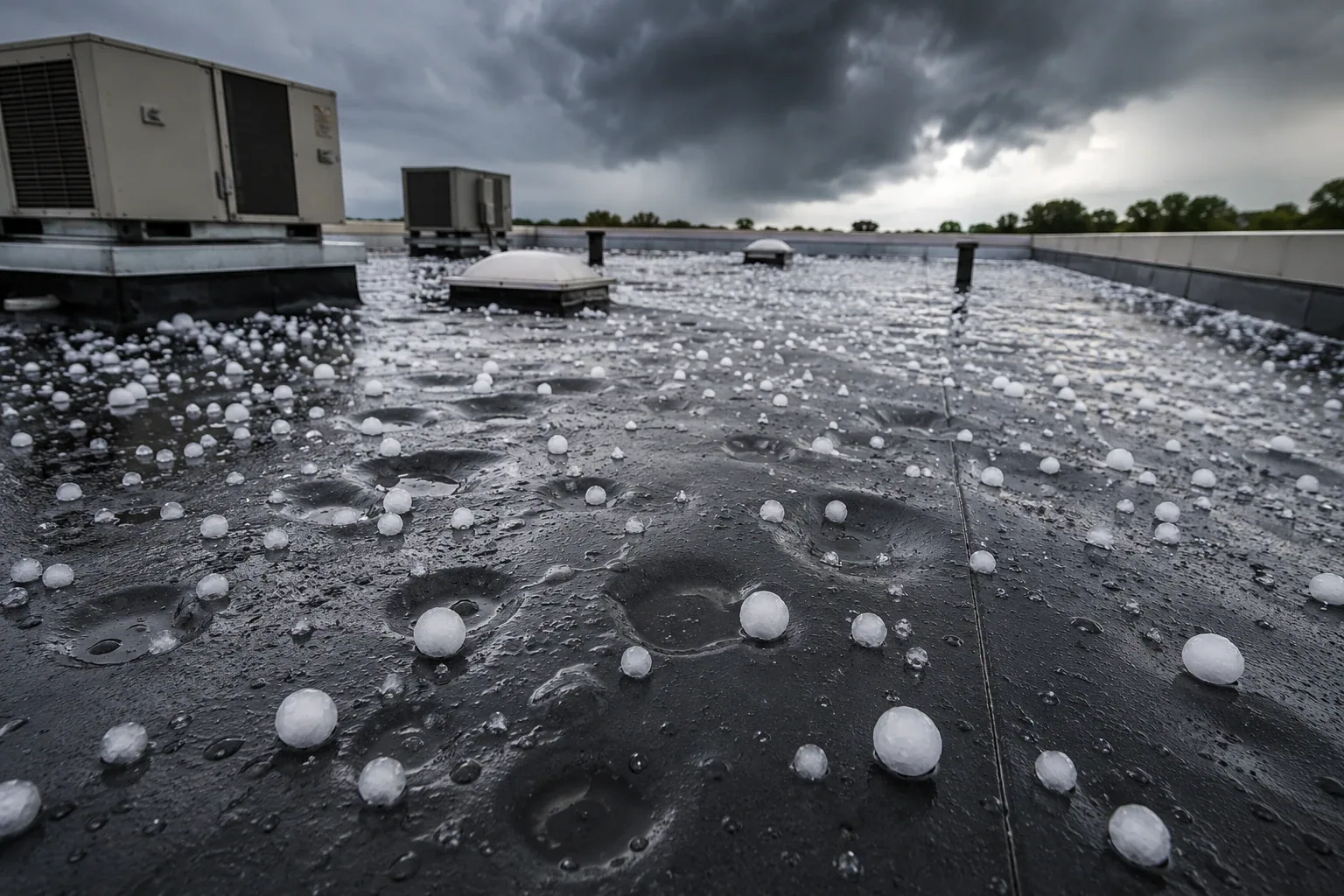 |
Move From Response to Repair
Once water entry is contained, we plan the permanent work around a dry and accessible roof surface. The next inspection checks the membrane, flashing, insulation, deck, drains and attachment near the opening. If moisture extends beyond the visible leak, we mark the area and determine whether a selective opening or moisture survey can define its limits. The permanent repair should correct the defect and address material that can no longer support a sound connection.
Vancouver's cool wet season can narrow the work window for adhesives, welding and exposed roof removal. We schedule the repair around conditions suitable for the roof system and keep an end-of-shift dry-in plan. If a larger area must be opened, the crew limits exposure to what can be completed and protected in that period. We tell the facility contact what sections will be worked, how access may change and which operations could be affected.
For an occupied building, the repair plan can account for operating hours, tenant entries, loading activity and sensitive equipment below. Noise or odors from preparation and material installation may affect work timing. At a distribution property near I-5, material delivery, lift placement and truck circulation can also matter. A phased occupied-building plan can guide larger repairs when the work extends beyond an emergency patch. The immediate response remains focused on the active condition and safe protection.
Make the Permanent Correction
Permanent repair depends on the roof type and how the failure occurred. A membrane puncture may take a compatible patch over clean, firmly bonded material. A failed lap may need the seam reopened and correctly joined. A curb leak needs sound flashing that turns water onto the roof field. Loose edge metal calls for secure attachment and a continuous transition. We identify the repair method after inspection and state whether surrounding membrane or insulation also needs correction.
Winter wind and rain can expose weak terminations, but not every emergency leak comes from wind. Debris, service traffic, failed sealant, blocked drains and aging seams can create separate water paths. We record the visible condition and avoid attributing damage to a cause that the roof does not show. If a drain is blocked, clearing it may restore flow. If the roof has settled or the outlet is at the wrong height, drainage work may be a different scope. The work order distinguishes those findings.
In some cases, the roof has broader failure than a single repair can address. Widespread wet insulation, multiple open seams or repeated membrane separation may support replacement planning after the active leak is stopped. We can compare a defined repair scope with a commercial replacement assessment using photos and marked findings. The owner receives immediate action details and a separate recommendation for longer-term work when the evidence points to it.
Leave a Clear Incident Record
The emergency visit record states the reported interior location, roof area inspected, temporary protection installed, visible damage and work still required. We include photographs and note whether the permanent correction was completed during the response or scheduled later. If the membrane was wet or the deck could not be assessed without removal, that limitation is clear in the record. This gives the property team a usable handoff between the immediate call and the follow-up repair.
After permanent work, facilities staff should know which drains, curbs or roof edges were addressed and what to watch for during the next rain. Our roof condition record can preserve those details for future maintenance. On properties near the Port of Vancouver industrial waterfront, work timing can be coordinated with active industrial and freight uses. A follow-up maintenance check can confirm the repaired detail remains in visible condition and that the drainage route is clear.
Commercial Roofing Questions
What information helps when we call about water coming in now?
Give us the property address, building use, where water is appearing inside, when it started and whether it is still active. Mention nearby electrical equipment, inventory or work areas that need protection. A photo from inside can help locate the affected zone, but we still inspect the roof to identify the entry detail and safe access.
Can a tarp hold through Vancouver wind and rain?
That depends on roof access, wind exposure, the surface, attachment options and the size of the opening. We assess those conditions before selecting a temporary cover and explain what it can protect. A cover is not a substitute for a permanent roof repair, and it may need monitoring if weather remains severe or water is already trapped below the membrane.
Do you respond outside business hours?
Yes. Emergency calls are monitored 24/7, with weekend and holiday response available. The first visit focuses on the active water path, safe access and temporary dry-in where feasible. We document what is protected and arrange the permanent repair when the roof surface and materials are ready for that work.
Will emergency service include the final roof repair?
The response includes the work needed to address the immediate condition when it can be completed safely and properly. Some openings need temporary protection first, then a return visit for material removal, moisture checks or a permanent seam and flashing repair. We separate completed work from follow-up scope in the visit record so the facility can schedule what remains.
Request Emergency Roof Response Share the Vancouver property address, building use, active leak location and any safety concern. We will identify the response area, coordinate roof access and explain the protection and repair steps available for current conditions. Request a roof assessment or call 555-555-5555.