
Built-Up Commercial Roofing in Vancouver, WA
Inspect and repair built-up commercial roofing in Vancouver. We review roof plies, surfacing, flashing and drainage before recommending repair or replacement. A blister in a built-up roof can sit above trapped air or moisture, while a split at a seam may expose the layers beneath. We inspect BUR roofs in Vancouver, WA by checking the surface, flashing, drains and visible ply edges. Columbia Business Center includes manufacturing, distribution and heavy-industrial uses, so access and roof operations need to be considered with the assembly itself. We document the area and determine whether the condition calls for a local repair, moisture investigation or broader replacement review. Built-up roofing combines multiple reinforcing plies with asphalt or bitumen, often with a protective surface such as aggregate or a coating. The layers work together, but each transition still needs attention. We inspect the surfacing, seams, flashings and roof perimeter for cracks, bare spots, blisters, loose gravel and water entry. A hands-on inspection records visible findings. Read the Plies and SurfaceOn a BUR roof, the top surface can hide the condition of the reinforcing plies below. We check for alligatoring, cracks, bare asphalt, exposed felt and blisters. At roof edges and penetrations, we look for splits where the membrane turns up, separates from metal or meets a curb. Loose aggregate can leave asphalt exposed to sun and weather. We record the surface condition and identify where a small opening could clarify the layers beneath it. Vancouver's wet cool months put repeated rain on seams, flashings and low areas. Winter wind can move debris or expose a loose edge. If water remains near a drain, it can find a crack or keep a blister wet. We check drains, scuppers and overflows, then note whether the outlet is blocked or the roof surface directs water poorly. A drainage inspection can address the outlet and its membrane connection. Interior leak reports help narrow the roof walk, but water may travel between plies or across the deck. We compare the ceiling location with penetrations, transitions, seams and drains above it. Suspected wet insulation is not confirmed just because a blister is present. An infrared moisture survey and selective core cuts can test chosen areas. The findings show where material is wet, what remains uncertain and whether removal should extend beyond the visible surface defect. | 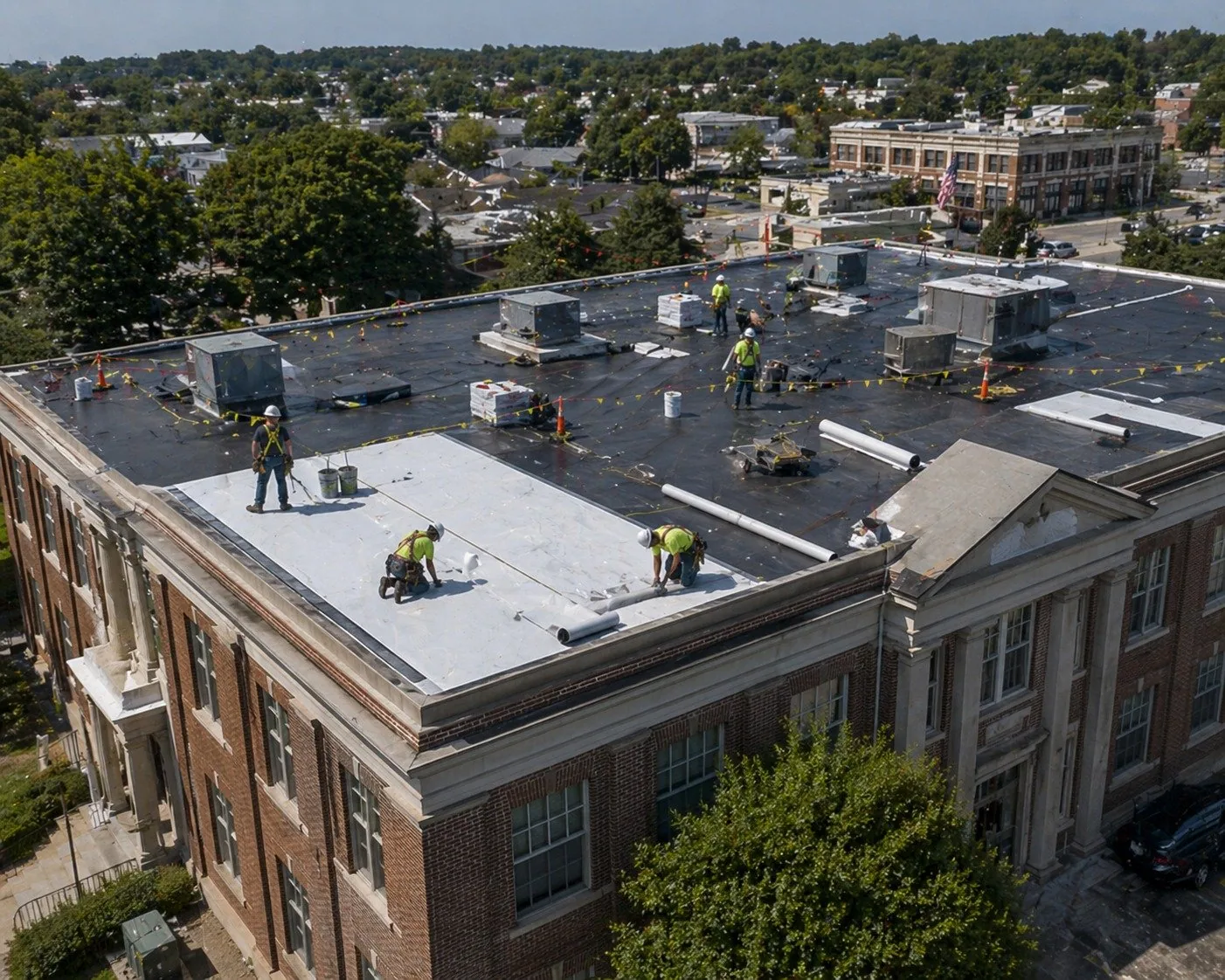 Inspect a Built-Up Roof Request a roof assessment or call 555-555-5555. 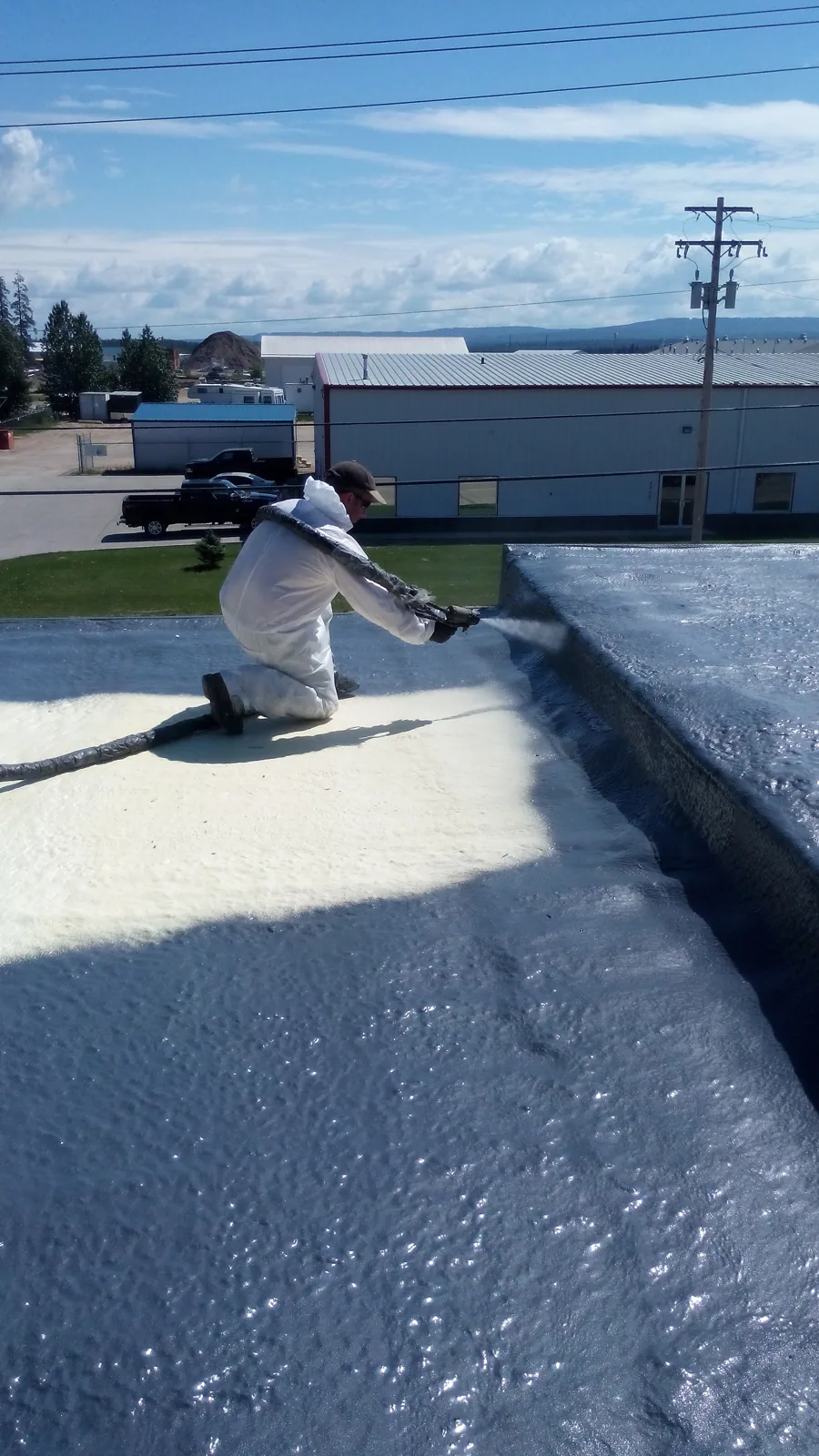 |
Choose Repair or New Plies
A limited crack or open flashing can be repaired when the surrounding roof remains sound. The repair may involve preparing the surface, reinforcing the detail and restoring the protective finish. An isolated blister may need to be opened and repaired if the surrounding material is dry. If wet insulation, broad cracking or multiple failed areas are present, a surface patch may not address the assembly condition. We mark each finding and explain which evidence supports local work.
A replacement removes the old layers so the deck, insulation and new assembly can be reviewed. A recover may be possible only when existing layers are dry enough, stable and allowed by applicable requirements. Modified bitumen also uses reinforced asphalt sheets but has its own sheet and seam construction. Compare modified bitumen roofing with BUR when evaluating a new assembly. A compatible silicone coating system may be another option for a sound, dry surface after inspection. If the roof has widespread deterioration, a replacement assessment can define removal and rebuild needs.
Roof height, deck, surfacing, insulation, fire-control needs and access affect the selected system. Built-up work may involve hot asphalt or other application methods that require planning around occupied areas and rooftop equipment. A built-up roof replacement should be checked against the applicable Vancouver review path when its insulation or assembly changes, with the project scope documented first. We identify questions about insulation and project review while developing the scope, then coordinate any needed professional or permit review.
Control Heat and Site Activity
Hot asphalt work requires safe handling, controlled material movement and a defined work zone. We plan access for kettles or other equipment, protect nearby surfaces and coordinate fire-watch controls where the specified method calls for them. Odor, noise and heat may affect tenants or operations below. The facility contact can identify sensitive process areas and work periods. We sequence roof sections so each exposed area can be closed and protected before weather or operations interrupt the shift.
Vancouver's warm summer weather can affect material handling, while the wet season narrows dry work windows. We plan around product requirements and forecast conditions. At Columbia Business Center, rail, barge and outdoor storage functions can inform delivery routes and staging. The Lower Grand Employment Area combines office, industrial and flex-industrial buildings, so records should identify the roof section and building use. The roof layout and the site contact determine where equipment can safely be placed. We state what the scope needs before work begins and explain any area that needs to remain clear.
Cost and timing depend on number of plies, aggregate removal, insulation and deck condition, flashing details, rooftop equipment and access. Tear-off and disposal can be substantial components when several layers remain. Repairs involving wet material or a deteriorated deck can extend the planned work. We describe known items and document concealed findings for review before adding scope.
Keep the Assembly Documented
Closeout photographs show repaired plies, flashing, drains and surface protection. We mark areas where material was removed and note what remains beneath the repair. This record is useful because future inspectors may not see the same layers from the roof surface. For a multi-building industrial property, we label each structure and roof zone separately.
A maintenance visit can check surface cracking, loose aggregate, open seams and drainage before Vancouver's wet months. If repairs recur or moisture expands, a condition report can track the changing roof areas. Owners near Columbia Business Center can keep site access notes with each building's roof record, making later work easier to plan around active operations.
Commercial Roofing Questions
Does a blister mean a built-up roof is leaking?
Not by itself. A blister shows a raised area but does not identify whether it contains air, moisture or another condition. We inspect the surface and compare it with interior reports. If the layers need confirmation, a selected opening or moisture survey can establish what is below that spot.
Can loose gravel be replaced without reroofing?
Localized surfacing loss may be corrected when the asphalt and reinforcing layers beneath remain sound. We inspect the exposed area and check nearby seams and drainage. If the surface loss is widespread or the plies are cracked, a broader repair or replacement review may be needed.
How is built-up roofing different from modified bitumen?
BUR is assembled in multiple reinforcing plies with asphalt or bitumen between layers, often finished with aggregate or coating. Modified bitumen uses reinforced sheets with SBS or APP modifiers. We identify the roof construction and existing materials because seam and repair methods differ.
What should we plan for during a BUR replacement?
The plan should address layer removal, aggregate, deck and insulation conditions, hot-work controls if used, odor, access and daily dry-in. We also review drains and equipment transitions that will be rebuilt. The facility contact can identify occupied areas and operating periods that affect staging or work sequencing.
Inspect a Built-Up Roof Send the Vancouver property address, building use, leak locations and known roof records. We will inspect the surface, plies, flashing and drainage, then explain repair or replacement needs. Request a roof assessment or call 555-555-5555.