Commercial Roofing for Property Management Companies in Vancouver, WA
Track Vancouver commercial roof inspections and repairs across tenant buildings with clear work orders, photos, priorities and access coordination. A property manager may receive three leak reports before knowing which building needs a roof visit first. We inspect and repair commercial roofs in Vancouver, WA, and label each finding by building and roof section so managers can prioritize the next visit. We label findings by property and building instead of combining them into one broad condition. A commercial roof inspection records visible defects and areas that need testing. A multi-site roof program can keep open items, photos and completed work tied to each address. Turn Tenant Reports Into Roof LocationsThe first useful details are the property, suite or room, time the leak appeared and any recent equipment work. We use the interior report to guide inspection, then check seams, flashing, curbs, drains and edges above and around it. Water may travel through insulation or along a deck before reaching a ceiling. The roof opening may not be directly above the stain, so each finding needs its own marked location. Vancouver's wet cool season brings repeated rain to roof seams and drainage routes. We distinguish a blocked outlet from a loose termination or wet insulation, because each calls for a different response. Photos show the visible condition and the repair area. If access is restricted or the source needs testing, the work order stays open with that next action rather than being marked complete after a temporary cover. For a manager overseeing office, retail and industrial properties, a common intake process helps keep dispatch practical. Staff can report the tenant impact, building access contact, roof access route and any space that needs protection. A commercial office roof review may need tenant-hour coordination; an industrial property inspection may need loading and inventory limits. We confirm the actual building before assigning either approach. | 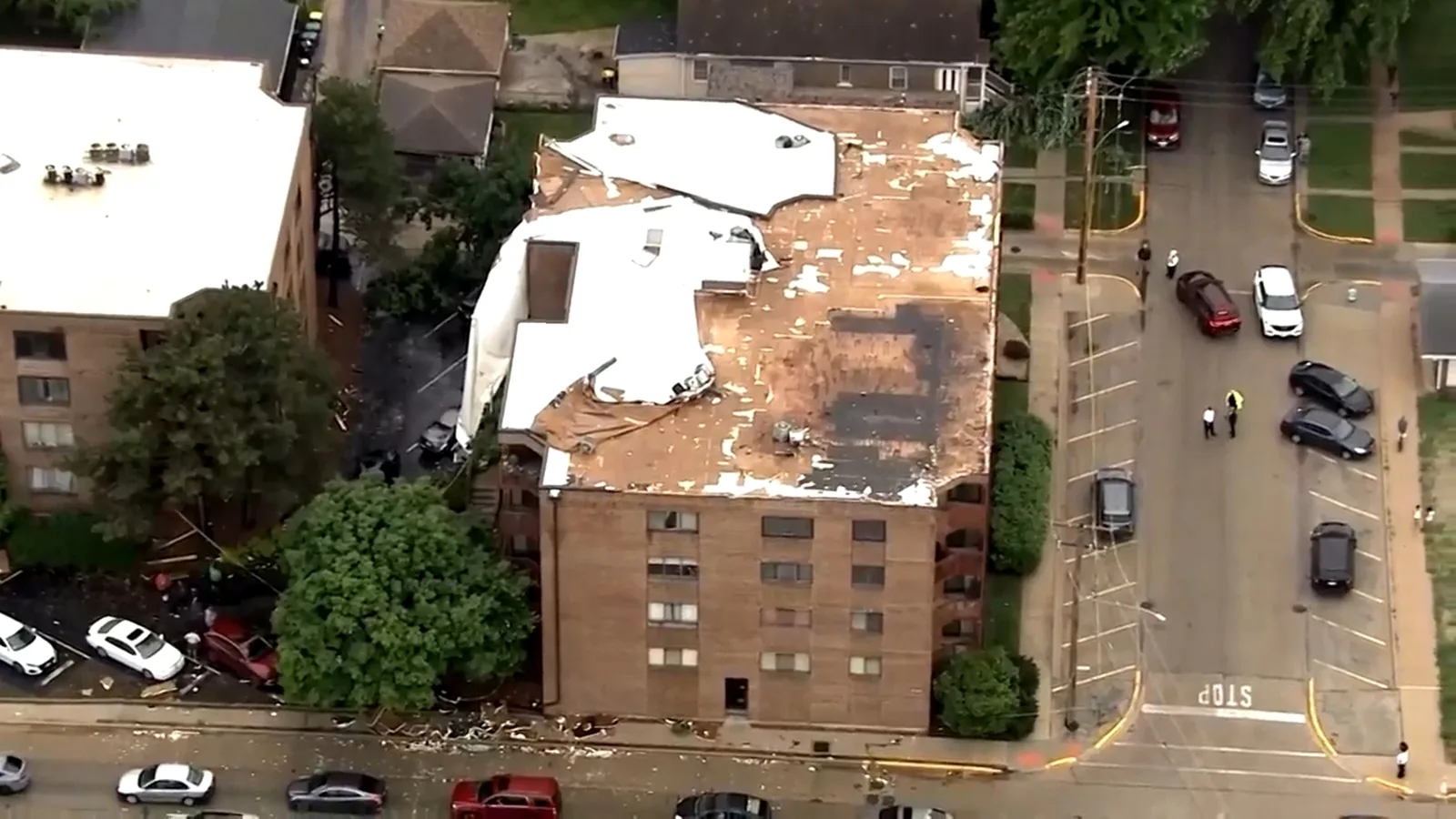 Coordinate Portfolio Roof Service Request a roof assessment or call 555-555-5555. 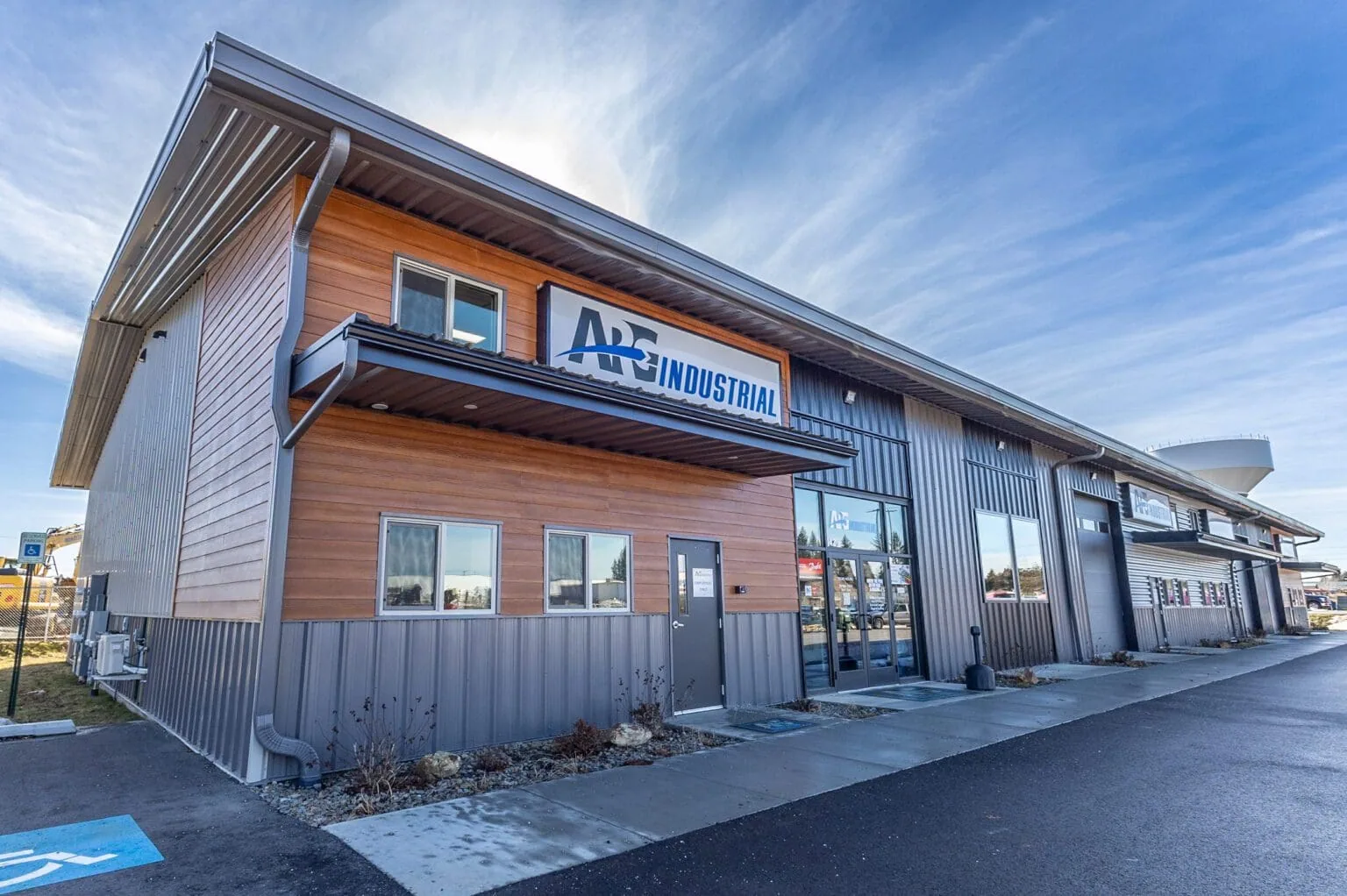 |
Coordinate Access Across Tenants
Property management staff set notices, unit access, delivery routes and allowed work hours. We identify the active roof section and any interior area that needs protection before the crew arrives. For a multi-tenant property, the manager can tell us which entrances or aisles need to stay clear. The work plan lists changes and daily closeout so staff can share a precise update with affected tenants.
If roofing materials are removed, we limit the open area and secure it against weather before the shift ends. Vancouver rain can alter installation conditions, and winter wind can affect edges and temporary covers. A phased occupied-building reroof can sequence work by building or roof zone. Staff receive the daily work boundary and any route changes as the project moves along.
Timing and cost depend on access, roof height, equipment, material layers, wet insulation, deck condition and the number of locations. Tenant turnover or after-hours restrictions can also shape the work window. We list those drivers in the scope. If opening a roof reveals a concealed issue, we document it and provide the added repair for review before the area expands. The property manager can then approve the change, request a separate option or defer that area with a record of the temporary protection in place for the tenant file.
A property manager needs the same fields on every work order: street address, building identifier, reported symptom, access contact, roof records and the tenant space affected. We can use a repeatable report layout without assuming that two buildings share a defect. If one property has a temporary patch and another has a drainage issue, the priority list should retain those separate conditions. A consistent location label lets the manager assign a vendor, compare follow-up photos and close the correct work order.
Compare Buildings Without Blending Findings
A localized seam defect may be repaired if the surrounding assembly remains serviceable. Repeated leaks, wet insulation or loose attachment can justify a broader assessment. We record what is visible and which test or opening could clarify the next step. A roof asset record can help staff track inspection dates, repair history and open recommendations by address.
Different roofs need different materials and repair details. We identify the existing system before choosing a patch or recover. A recover evaluation requires evidence of a sound deck, secure attachment and controlled moisture before an overlay can be specified. Replacement may be more appropriate where concealed materials or deck need correction. The scope names drains, edges and equipment transitions that relate to the finding. We state what is included and what needs a separate investigation, which helps property teams compare a small repair with a broader capital request without mixing assumptions from other buildings.
A real estate investor portfolio may need condition information for capital planning, while healthcare property managers can coordinate clinical access and equipment. In the Lower Grand Employment Area, office, retail and flex uses sit in the same broader employment district. The manager's building list and roof records should still keep each property condition separate.
A manager also needs a clean escalation path. An active opening may need immediate weather protection, while wet insulation or a recurring leak can require a broader inspection. We identify the condition that can be corrected on the current visit and the evidence needed for any added work. Each recommendation names the building contact, access restriction and next action so a service request can be assigned without blending it into another property's record.
Keep a Reliable Property File
Closeout states the property, roof section, repair, photographs, temporary protection and follow-up. An inaccessible section is listed rather than treated as inspected. Management can attach the record to the tenant request and maintenance history, then use the same location when water returns. Separate properties retain separate findings even if the management company uses one service contact. The closeout can include the approved work area, photos before and after repair, materials visible at the detail and any follow-up date. Those items support invoice review and tenant communication without replacing the building's maintenance record.
Preventive maintenance can review drains, seams, penetrations and exposed edges before the wet season. At Columbia Business Center, confirm delivery procedures and the tenant’s entry process with the property contact before scheduling. We confirm which roof sections and tenant areas are included before scheduling.
Commercial Roofing Questions
How do you prioritize several tenant roof calls?
We compare active water entry, affected building use, visible roof condition and access limits. Management can flag sensitive rooms, inventory or equipment. The work record separates urgent protection, permanent repair and items that need testing.
Can one inspection cover several properties?
Yes, if building access is arranged for each address. We label photos and findings by property and roof section, then note any location not reached. A portfolio visit does not combine separate assemblies into one condition.
What should tenants include in a leak request?
The property, suite or room, ceiling location, time of the report and any recent interior or equipment work help focus the inspection. Management can add access and operating limits. We use those details to map the report to a roof area.
How do you close a work order when only a temporary cover is installed?
The record labels the measure as temporary and identifies the permanent correction still required. We include the roof location, photos and follow-up step. Management can keep the request open until the final repair is completed and documented.
Coordinate Portfolio Roof Service Share the Vancouver property list, affected tenant locations, access contacts and operating limits. We will inspect the assigned roofs and return building-level findings for the work file. Request a roof assessment or call 555-555-5555.