Multi-Site Commercial Roof Programs in Vancouver, WA
Coordinate roof inspections and repairs across Vancouver properties with shared reporting, site-specific findings and schedules that fit each building’s access. A roof program across several addresses needs a common reporting method and separate evidence for each property. A roof asset management record tracks condition by property. A roof condition report links each finding to the inspected roof area. Set the Portfolio and Visit RulesWe start with the address list, building names, roof plans, site contacts, access rules and current leak reports. The owner's location ID can be carried into each report. If a facility name differs between a roof plan and service ticket, we note the discrepancy and use a clear field label. The program identifies which properties are ready for inspection and which need access or record coordination first. Vancouver has a varied building stock. Lower Grand includes office, industrial and flex-industrial properties, while the Vancouver Mall District centers on retail and surrounding services. Patient-care and support functions sit across the Vancouver VA Campus, so the visit schedule needs a named contact and roof-area list for each building. These examples show why one access protocol or roof type cannot be assumed across a portfolio. We confirm the site conditions with each facility representative. For each visit, we confirm the check-in point, escort or key process, roof access, interior contact and available work window. A warehouse loading schedule differs from a clinic or retail opening time. Port-side shipping and production activity may limit delivery or staging. Those details are recorded with the site rather than generalized to the whole owner. We can group nearby visits when access and schedules support it. The actual sequence depends on weather, urgency and whether a building has an active leak. A portfolio calendar shows the planned visit, the confirmed contact and the roof areas included. It does not imply that buildings not yet inspected have a known condition. | 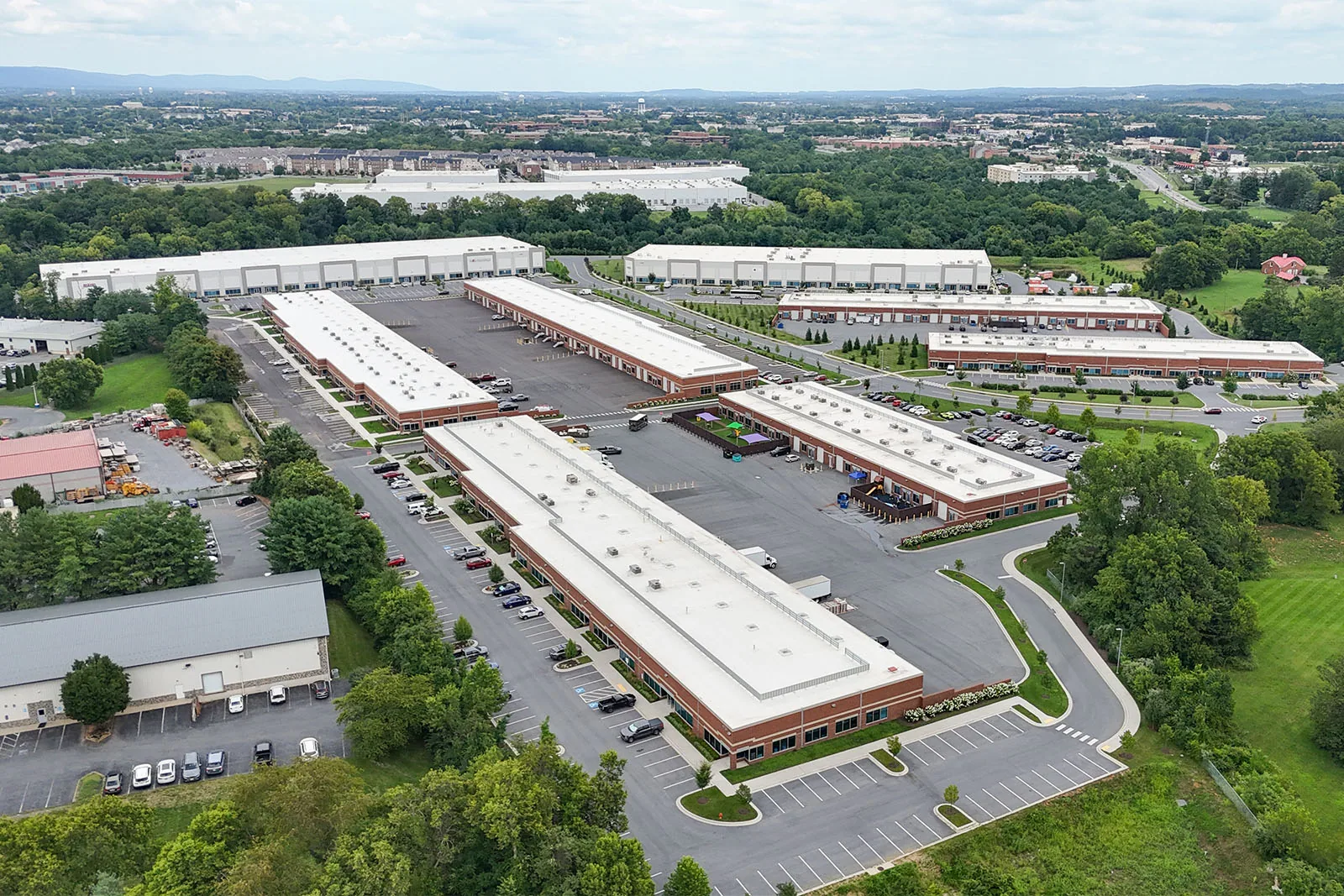 Coordinate a Vancouver Roof Portfolio Request a roof assessment or call 555-555-5555. 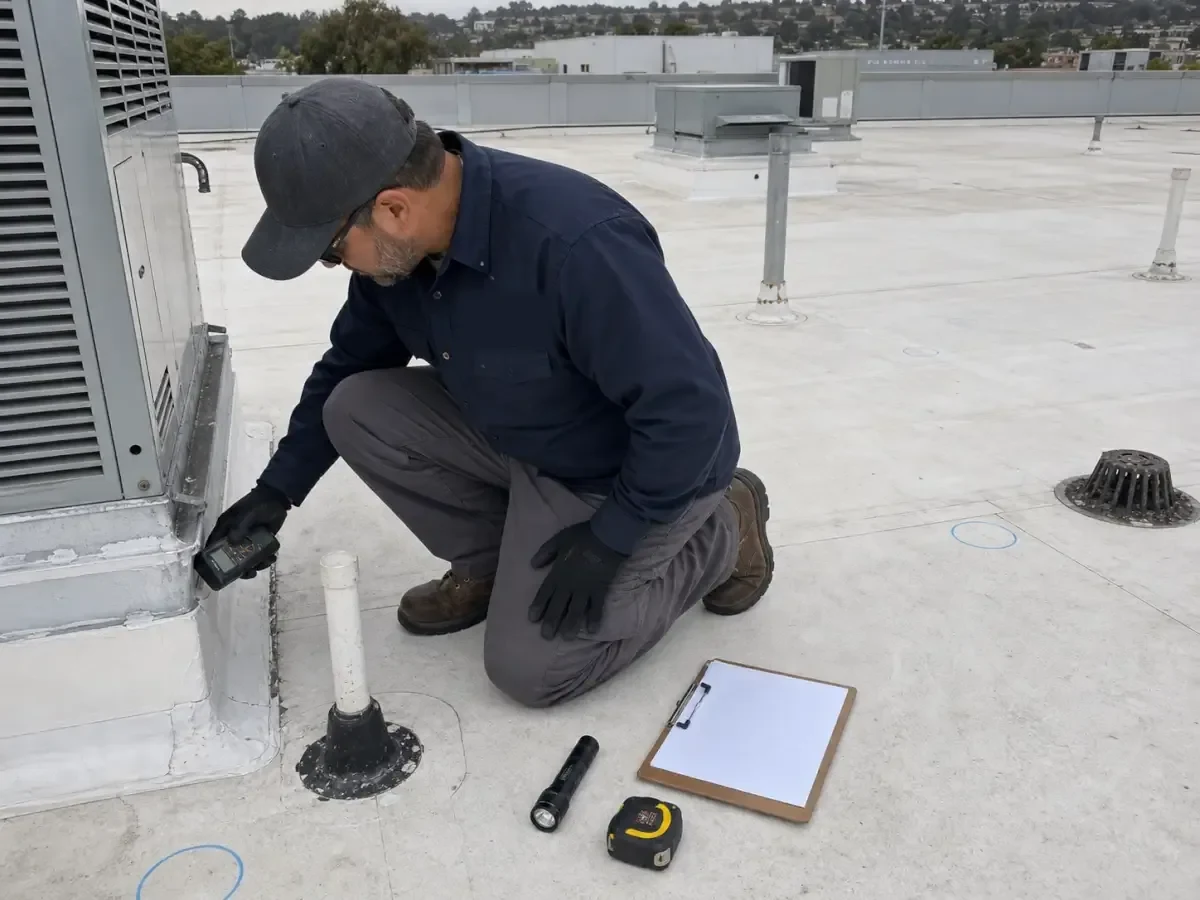 |
Use One Format Without Blending Conditions
Each site record identifies the building, roof section, system where known, inspection date, visible conditions, photos, access limits and next action. Common categories make portfolio review easier: active water entry, localized repair, maintenance, testing question or larger project. The roof-level detail remains attached to the property. A repair at one address is not copied as a finding at another.
For portfolio reviews, compare records by building, roof section and inspection date; differences in attachment, drainage and access require site-specific recommendations. A shared program can schedule drainage and edge reviews before or during the wet period, while still documenting actual conditions at each roof. We note blocked outlets, ponding, open seams, flashing separation or visible movement only where observed. Weather history does not establish a defect at a property that has not been inspected.
A commercial roof inspection can establish site conditions. An infrared moisture survey may help locate suspect areas for test openings. A preventive maintenance visit can check drains, seams and prior repairs. Each service is scoped for the address and roof sections confirmed with the contact.
For a property management team, site-level findings can support work orders and tenant coordination. A portfolio owner can review condition and capital questions across assets. We provide consistent terms and identifiers so those users compare like information without merging distinct roof assemblies.
Coordinate Repairs and Capital Work
When a report identifies a repair, we state the building, roof section, condition and work boundary. Active leaks may need prompt protection while permanent work is prepared. If concealed wet insulation or deck damage is found after opening, we document it and coordinate approval before adding work. A temporary cover is recorded separately from the completed repair.
A roof capital plan can compare repairs, testing and replacement timing across the portfolio. A due-diligence roof survey can support a purchase or refinance. Project costs and schedules depend on access, roof layers, equipment, moisture, deck work, materials and operations. We list assumptions and unresolved quantities rather than applying one property's estimate to another.
At the Port of Vancouver, freight and warehouse use may require delivery coordination with a site gate and receiving contact. At a downtown mixed-use property, tenant and pedestrian routes may shape staging. The program captures those location-specific needs so a work order contains enough information to plan the next visit.
If a portfolio owner has several urgent reports, we review active water entry, affected occupancy, weather exposure and repair readiness. A consistent priority method can help schedule work, but the owner makes the final capital decision. Each recommendation is tied to evidence and current site access.
Update the Record After Each Visit
After a visit, we update the site record with areas reviewed, photos, completed work and outstanding items. If a roof could not be accessed, it remains marked as uninspected. If a repair changes the condition, the new entry references the earlier finding and identifies the correction. A portfolio contact can see which location needs a response and which remains scheduled.
A healthcare campus visit still requires the correct building and facility contact. Provide each address, site contact, roof plan, current issue and access procedure so visits can be arranged without confusing one property with another.
Records should remain useful through staff changes, tenant turnover and future project planning. We preserve the labels and evidence needed to continue the program while identifying open questions for the asset manager to assign and track.
A shared program can standardize fields and priorities while keeping each building's findings distinct. We assign a property identifier, roof-section label, photo location and action status to every visit. A repeat drain blockage may deserve a portfolio review, but it still needs a site-level check for slope, outlet and nearby membrane details. The program record should also show which locations were not reached, so an incomplete visit does not look like a clean inspection across the portfolio.
A portfolio review should preserve both consistency and exceptions. We can use the same condition labels across buildings, while leaving a site-specific note when access was limited or a tenant area was unavailable. A repeated leak pattern may point to a shared maintenance question, but each roof still needs a local check of drainage, membrane detail and attachment. The program summary should identify which recommendation is ready for approval and which depends on testing or a separate capital decision.
Commercial Roofing Questions
Can one roof program cover different property types?
Yes. We use a consistent reporting format while keeping findings, photos, access notes and recommendations specific to each building and roof area.
Can inspections be grouped by location?
Nearby visits can be grouped when access, contact availability and weather support the schedule. Each property still receives a separate inspection record.
How do you compare roof conditions across sites?
We use consistent categories for active leaks, localized repair, maintenance, testing and capital work. The evidence remains tied to each roof, so one building's condition is not treated as another's.
What happens when an inspection cannot reach part of a roof?
That area is listed as a limitation or uninspected section. We identify what access or follow-up would be needed before making a condition recommendation for it.
Coordinate a Vancouver Roof Portfolio Send the property list, site contacts, roof plans, current concerns and access procedures. We will organize inspections and return building-specific findings in a consistent format. Request a roof assessment or call 555-555-5555.