Commercial Roofing at Terminal 1, Vancouver, WA
Commercial roof service at Terminal 1 in Vancouver, WA. We document roof conditions and coordinate repairs for the district's mixed building uses. Commercial, residential and civic uses meet at Terminal 1, a roughly 10-acre Port-owned property west of the I-5 Columbia River crossing. The district reuses a historic working marine terminal and warehouse, and its plan emphasizes waterfront access within a LEED for Neighborhood Development framework. Roof work begins with the specific building, use and reported condition. We inspect accessible roof details and coordinate the next step with the property contact. A mixed district can include different occupancy and access needs, but it does not establish a roof type or present condition. Our commercial roof inspection documents the visible assembly and affected roof section before a repair or capital scope is considered. Identify Who Uses the Space BelowBefore the roof walk, we confirm the building address, occupant contact and interior area tied to a leak report. A commercial, residential or civic space may have different notice and protection needs. We plan access with the person responsible for the property and clarify whether a room, storefront, common area or public route needs special attention during the visit. Terminal 1's former working marine terminal and warehouse contribute to its current mixed district identity. That history does not confirm the age or construction of an individual roof. We review drawings, repair records and visible product details to learn what is installed now. If a building has changed use or been altered, we base the scope on the present roof evidence and site instructions. From inside, we record where moisture appeared and what was affected. Above that location, we trace likely paths toward seams, flashing, penetrations, walls, curbs and drains. Water may move below the membrane before it becomes visible. We state when a suspected source is not yet confirmed and what additional inspection could resolve the question. Terminal 1 is planned around waterfront access. We confirm how to reach the work area, where equipment may be staged and whether a scheduled event or public use affects the site. For work near occupied space, the owner may need a temporary barrier or interior protection. The scope identifies coordination assumptions rather than treating the district as a single building. | 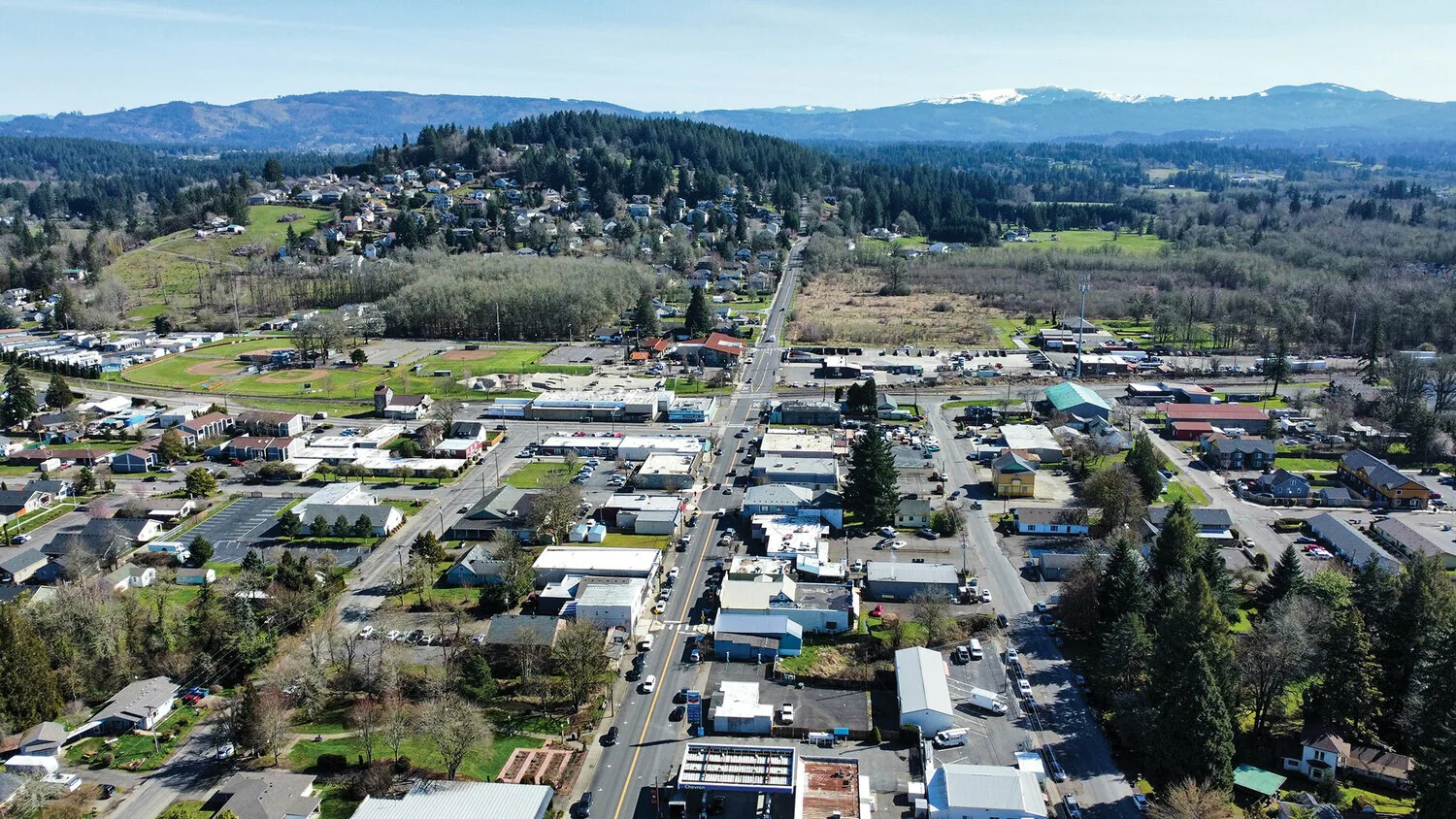 Request a Terminal 1 Roof Assessment Request a roof assessment or call 555-555-5555. 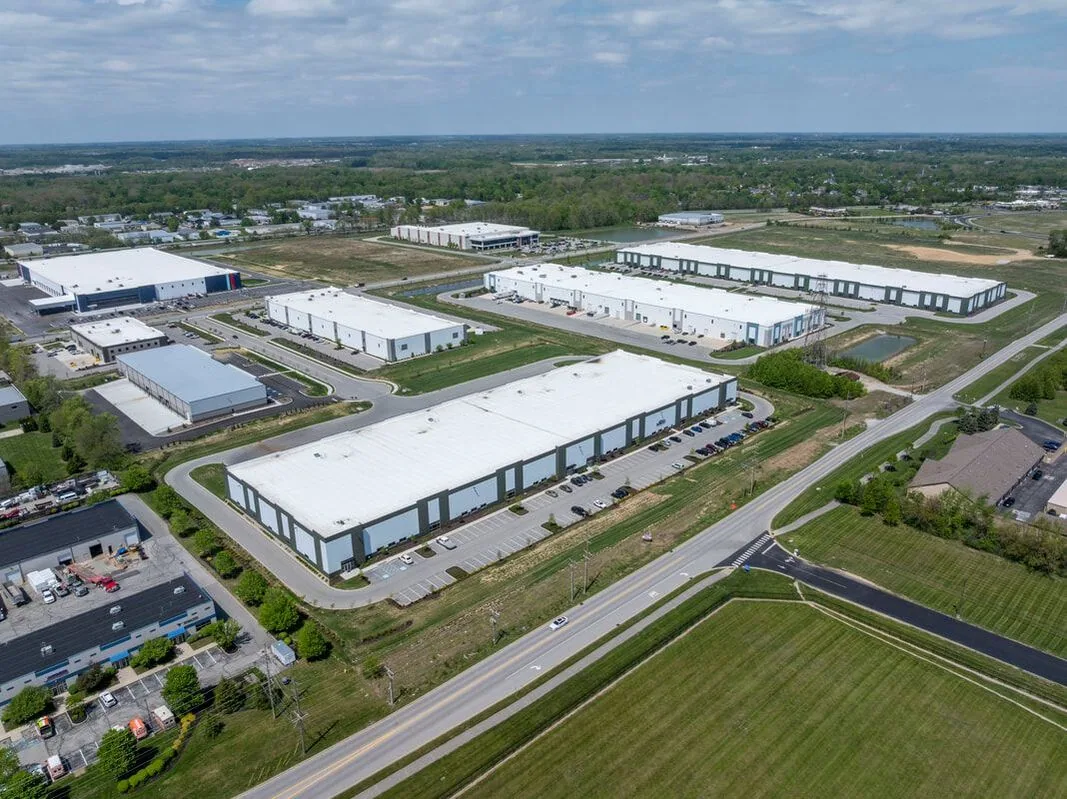 |
Inspect the Roof and Its Transitions
We inspect visible membrane laps, flashing, roof edges, curbs, pipe penetrations, skylights and prior patches. Each detail is recorded by location. A lifted corner at a curb differs from a split field seam, and the compatible repair method depends on the product and substrate. If the roof membrane cannot be identified from records or markings, we note that before specifying material.
Drainage routes need attention in Vancouver's wet cool season. We check accessible drains and scuppers for obstruction, look for water marks and document standing water if it is present. Wind and rain events in the region make perimeter and flashing details relevant through the wet season. At Terminal One, the site contact can identify operating and controlled access areas. Schedule the roof walk when entry can be coordinated, then base recommendations on accessible conditions and documented limitations.
A visual inspection cannot reveal all concealed conditions. If a moisture survey would help identify candidate areas for confirmation, an infrared moisture survey may support that next step when conditions allow. Any finding that affects the repair boundary should be verified by an appropriate method, such as a test opening, where warranted.
At a Vancouver terminal property, verify permit and energy review against the planned roof assembly and building before the project schedule is fixed. If the project changes insulation or other regulated components, those requirements should be considered before the roof assembly is finalized.
Before a terminal property visit, ask the operating contact which gates, docks or pedestrian paths must remain clear. Confirming the route ahead of time reduces uncertainty about ladders, lifts and material movement. The assessment can then stay focused on roof condition rather than access logistics.
Set the Work Area and Repair Method
A limited defect can be repaired when the surrounding membrane and substrate remain suitable. We define the preparation, material, connection and verification step, then protect the area below as needed. If the defect extends into wet insulation or damaged deck, the repair may require removal beyond the visible opening. A test opening can confirm conditions that cannot be assessed from the surface.
For broader deterioration, a roof recover evaluation considers existing layers, attachment, moisture and the project constraints. A commercial roof replacement scope can address removal, insulation, flashing, edges and protection during construction. The owner's options depend on what the assessment confirms. We do not infer the roof's remaining service life from Terminal 1's redevelopment framework.
For an active leak at Terminal One, the site contact can identify operational areas, controlled entry and roof access. We assess those conditions before recommending a temporary measure and define the permanent repair as a separate scope. We record what has been done and which permanent repair remains. Weather, wet surfaces or restricted access can affect when a lasting detail is safe to install.
Cost and timing vary with roof height, access, staging, material, work limits, occupant coordination, tear-off and concealed conditions. At a mixed-use site, work windows may need to avoid public activity or protect occupied rooms. We state what the scope includes and how unexpected findings will be brought back to the property contact.
Keep Building Records Current
A closeout record identifies the building, roof zone, condition, work completed, photographs and recommended follow-up. It can also note any product identification confirmed from records or on-site evidence. A preventive roof maintenance visit can track accessible flashing, seams and drainage details over time, while separate areas remain clearly labeled.
The nearby Port of Vancouver Industrial Waterfront includes manufacturing, processing, warehousing and shipping tenants. Fruit Valley and Port Industrial District also contains working industrial and marine properties. Columbia Business Center is a riverfront industrial and distribution park. These are separate locations, so the property address determines which context applies.
To request an inspection, share the address, occupancy type, reported issue, roof records and access requirements. Commercial Roofers Vancouver will identify the work area and explain what can be confirmed during the visit.
Commercial Roofing Questions
Can roof work be planned around Terminal 1 public access?
We coordinate access and staging with the property contact and account for any active public or occupant routes identified for the work area. The site plan and work scope determine the required controls.
Does the historic warehouse use tell you how the current roof was built?
No. The present roof assembly is confirmed from records and visible conditions. The site's history does not establish the age, membrane or condition of a specific building roof.
What should happen after a temporary leak measure?
The service record identifies the temporary location and remaining permanent work. We schedule the lasting repair when the system, substrate and weather conditions support the selected detail.
How do you plan roof service for mixed building uses?
We confirm the affected building, occupant contact, interior impact and access needs. Findings and recommendations are documented for that roof section rather than generalized across the district.
Request a Terminal 1 Roof Assessment Send the Vancouver address, building use, reported condition and any access requirements. We will coordinate the visit with the property contact and focus on the correct roof area. Request a roof assessment or call 555-555-5555.