
TPO Commercial Roofing in Vancouver, WA
Install, repair or inspect TPO commercial roofing in Vancouver. We review welded seams, attachment, flashing and drainage for the building's roof assembly. A separation at a TPO lap can let rain reach insulation even when most of the membrane looks intact. We install, repair and inspect TPO roofs in Vancouver, WA by checking seams, attachment, flashing and drainage as one assembly. Columbia Business Center includes distribution, manufacturing and industrial properties, where roof access and equipment layout differ from one building to the next. We identify the existing deck and roof details before selecting a membrane thickness, attachment method or repair scope. TPO joins membrane sheets with heat-welded laps. Its seams are joined with hot air, which softens the surfaces so they fuse as they cool. The seam must be clean and the weld must be continuous. We inspect lap edges, corners, penetrations and roof perimeters for openings or weak bonds. A hands-on roof inspection can document visible condition. For active water entry, a leak tracing visit follows the water path to the failed detail. Check the Welded SeamsField seams join adjoining membrane sheets. We look for contamination, incomplete welds, fishmouths at corners, wrinkles that concentrate stress and patches that have lifted at an edge. A probe check can help find a missed section of weld, but a visual inspection also considers the membrane's condition and the transitions around it. At walls and curbs, the membrane turns up and connects with flashing. That connection needs a secure termination and a path that sends water back onto the roof field. Attachment affects how the membrane responds to wind and building movement. TPO may be mechanically fastened, adhered or installed in a ballasted assembly, depending on the roof design. We identify the existing method and inspect accessible perimeter and field conditions. Vancouver's winter wind and rain make the roof edge and fastener rows worth checking. If membrane has lifted or attachment has failed, repairing one seam may not address movement across the area. We mark the observed boundary and recommend follow-up where needed. Water drainage remains part of the inspection. We check how the membrane reaches drains, scuppers and gutters, and whether water collects at laps or curbs. Vancouver's cool wet season brings repeated rain, while warmer summer periods can affect membrane movement and exposed details. A blocked drain can leave water at a seam, but persistent ponding may relate to roof slope or outlet height. We report the visible condition separately from moisture below the membrane, which may require testing. | 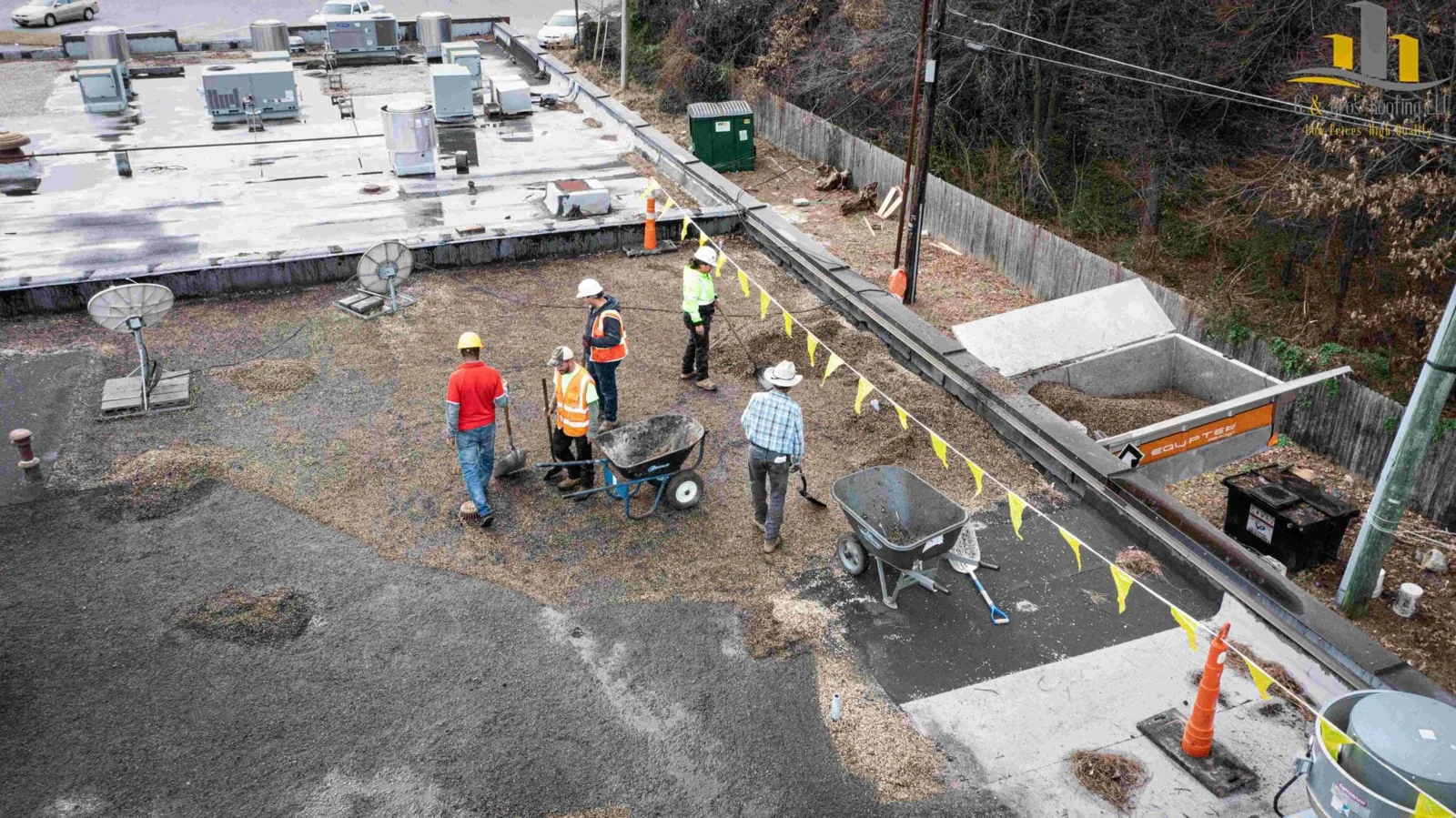 Review a TPO Roof System Request a roof assessment or call 555-555-5555. 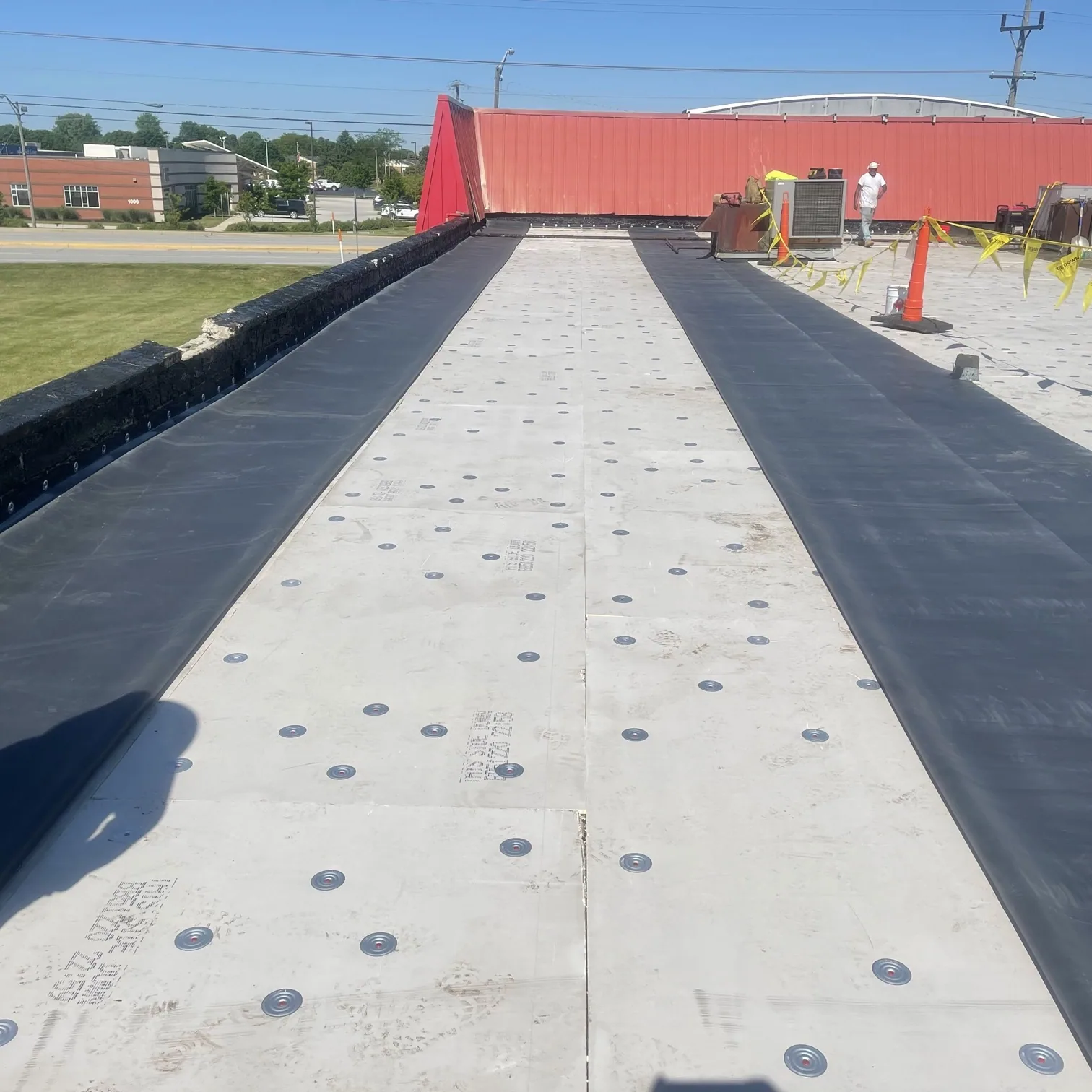 |
Select the Assembly
Membrane color and thickness are only part of system selection. The building's deck, insulation, cover board, attachment, roof height, rooftop equipment and expected service traffic all matter. A mechanically fastened system has fasteners and plates at planned rows, while an adhered system depends on compatible bonding across the prepared substrate. The specified assembly should account for wind exposure and edge details. We document how the membrane will terminate at walls, drains, curbs and equipment supports.
TPO can be considered for new construction, replacement or a recover when the existing roof and applicable requirements allow it. If wet insulation or an unstable layer remains, covering it can trap a condition that should be removed. A moisture survey with core cuts can investigate suspect areas before the assembly is selected. Before a TPO recover or replacement, compare existing layers with the proposed insulation and check applicable Vancouver permit requirements for the defined work.
Other systems may fit a building better. PVC is another heat-welded thermoplastic membrane. EPDM uses different seam materials and repair methods. For a durable sheet option with system-specific needs, compare PVC roofing and EPDM membrane roofing with the roof conditions. We recommend a system only after checking the assembly, drainage, access and facility requirements.
Repair the Full Detail
Before a TPO repair, we clean and prepare the membrane so a new weld or patch bonds to sound material. Small punctures may take a patch with rounded corners and continuous welded edges. A failed seam may need the affected lap reopened or reinforced with compatible TPO material. At a curb, flashing must connect to the field membrane and remain secured above the roof surface. The repair includes the adjacent transition when that connection contributes to the water path.
Heat, moisture and dirt affect the quality of a weld. A wet or contaminated surface needs preparation before hot-air work. Repairs near HVAC units or exhausts may also require coordination around equipment operation. We plan access with the facility contact and protect the surrounding roof from tools or debris. When damage is extensive or the membrane has multiple failures, a planned roof repair scope can address several details, while a broader condition may call for replacement review.
At the Columbia Business Center, rail access, outdoor storage and active industrial use can affect where materials are staged. We coordinate the repair area and delivery route with the property contact. The scope states which seams, edges or penetrations are repaired, any wet material that needs removal and what remains for future observation.
Keep Seam Records
Closeout photographs should show completed welds, flashing, drains and edge terminations. We mark repair locations and note any area that could not be checked directly. This helps facilities staff distinguish a repaired lap from an adjacent seam that was not part of the scope. When multiple buildings use TPO, a roof map prevents one structure's records from being attached to another.
Service work can puncture membrane or disturb flashing. A maintenance visit can check seams, drains and equipment routes and record new changes. Properties on the Port of Vancouver industrial waterfront may need roof access coordinated with freight and tenant operations. Clear records give the next inspection a known location and a baseline for comparing the membrane's visible condition.
Commercial Roofing Questions
How can we tell whether a TPO seam is fully welded?
We inspect the lap for a continuous bond and check accessible edges for openings or weak areas. A probe can find an unbonded section, while the membrane condition and repair history help interpret what we see. We mark any suspect seam and recommend a repair or further testing based on the actual opening.
Can you patch a puncture in an older TPO roof?
A patch can work when the surrounding membrane is clean, firmly attached and compatible with the repair material. We remove loose contamination, prepare the surface and weld the patch with a continuous edge. If the membrane is brittle, wet insulation surrounds the puncture or attachment has failed, the repair scope may need to extend beyond that spot.
Does TPO require a special roof attachment?
The attachment method depends on the deck, assembly design and project conditions. TPO may be mechanically fastened, adhered or part of another specified assembly. We check existing attachment and perimeter details, then describe how the proposed system connects at edges, curbs and drains.
What should we inspect after rooftop equipment service?
Check the work area for punctures, debris, disturbed flashing and open seams. We can inspect the curb and membrane transition and document any damage. A marked photo record helps connect a later leak report to the correct equipment location and repair history.
Review a TPO Roof System Send the Vancouver property address, building use, roof area and reported condition. We will check the membrane, welded seams, attachment and drainage, then outline repair or installation options for the assembly. Request a roof assessment or call 555-555-5555.