Commercial Roof Coating Restoration in Vancouver, WA
Restore a sound commercial roof in Vancouver with a compatible coating system. We check moisture, seams, drainage and surface preparation before application. A membrane with sound seams but a worn surface may be a candidate for coating restoration. In Vancouver, WA, we first check whether the roof is dry, attached and able to support a coating system. The answer depends on the existing membrane, repairs, drainage and substrate, not just its color or age. Columbia Business Center includes manufacturing, distribution and warehouse properties with different roof assemblies. We assess the specific building and explain where a coating can protect a sound surface, where repairs are needed and where restoration is not a fit. Coating work begins with surface preparation and detail repair. We inspect seams, flashing, penetrations, drains and edge terminations, then address defects that would remain under the coating. A hands-on roof inspection can establish the visible condition. If moisture is suspected below the membrane, an infrared moisture survey can guide core cuts before the roof is covered. The restoration scope records findings and areas needing correction. Confirm the Roof Can Be CoatedWe check whether the existing membrane or roof surface remains sound enough to receive another layer. Loose attachment, widespread seam failure, wet insulation, damaged deck or persistent ponding can make coating unsuitable until those conditions are corrected. The surface must be clean and prepared, and repairs need to bond with the existing material. If wet areas remain below, applying a coating can conceal a problem rather than solve it. We distinguish confirmed moisture from areas that need testing. Roof system and prior repairs affect material compatibility. A silicone roof coating and an acrylic system have different water exposure characteristics and application requirements. The existing surface, slope, drainage, expected foot traffic and roof details inform product selection. A coating is not the same as a new membrane assembly, and it does not correct a failing deck, poor drainage or loose edge. We explain how the proposed system will tie into seams, curbs and perimeter details before work is scheduled. Vancouver's climate includes wet cool seasons, winter wind and rain, occasional snow and freeze events, and warmer dry summers. Coating application needs suitable substrate and weather conditions, including a dry surface and enough time for the material to cure. Summer heat can affect application timing, while rain can interrupt preparation or coating. We choose a work window based on the product requirements and actual forecast, then protect any area that cannot be completed within the planned shift. | 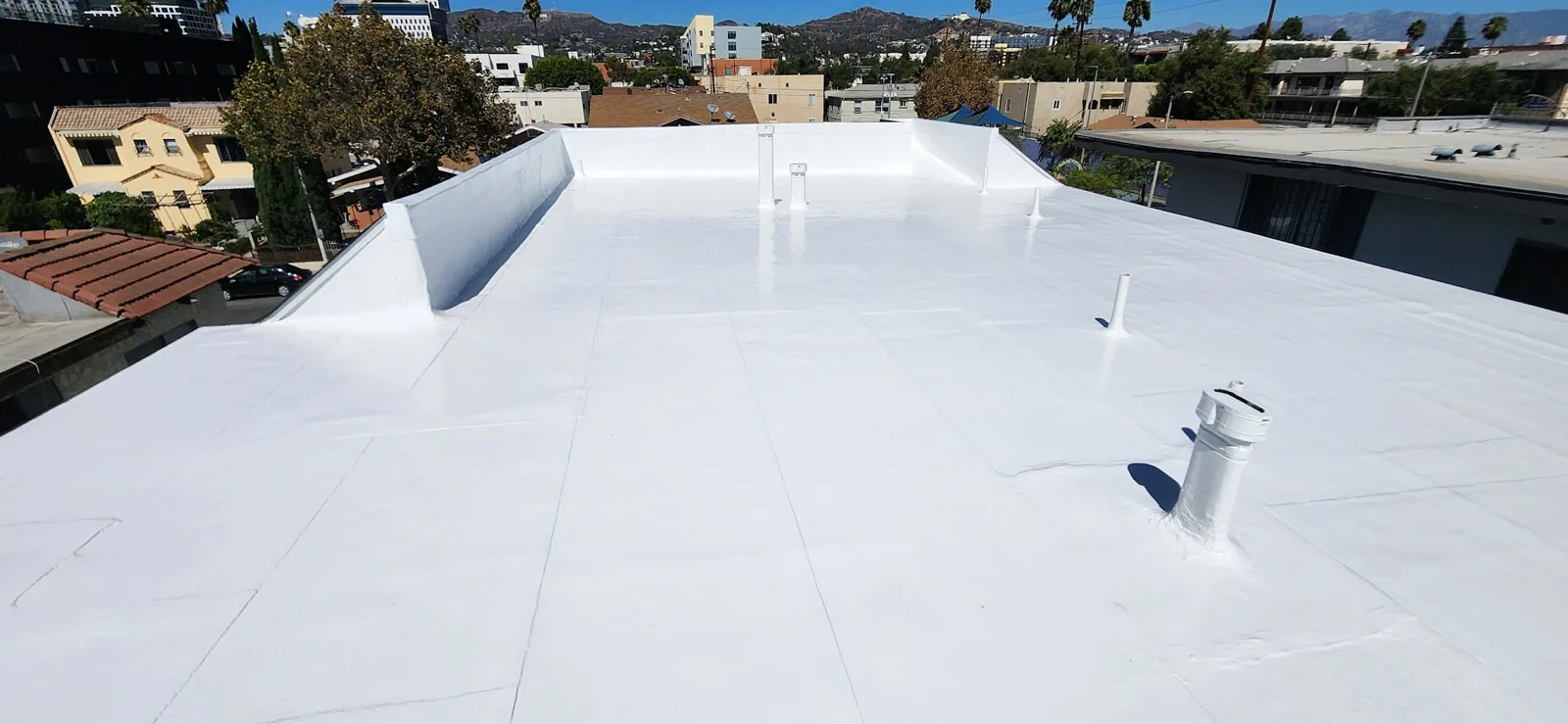 Review a Roof Coating Option Request a roof assessment or call 555-555-5555. 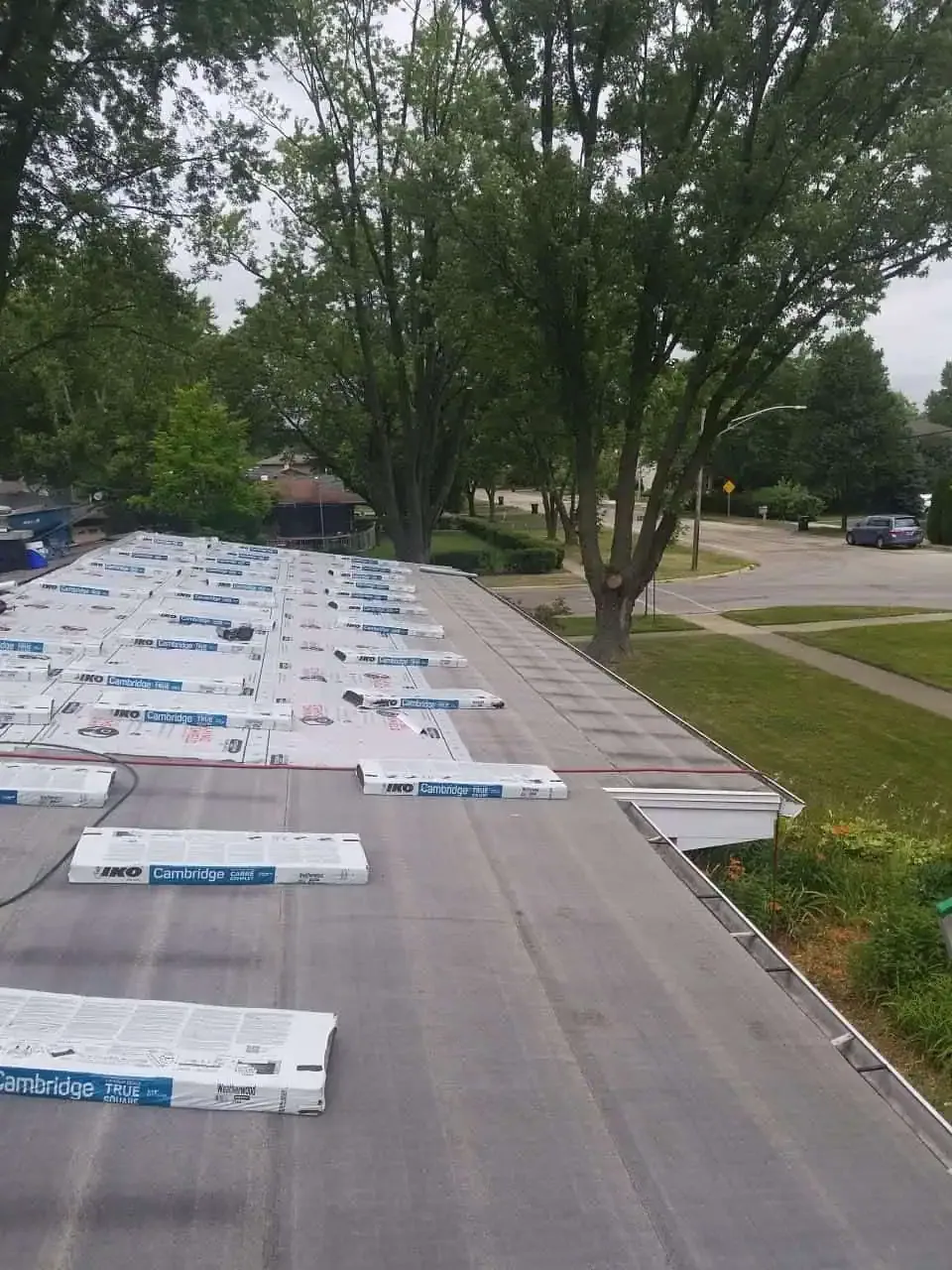 |
Compare Restoration With Replacement
Coating can renew the exposed surface and help protect a roof that remains structurally sound and dry. It may reduce tear-off and keep the existing assembly in place. The scope usually includes cleaning, repairs, reinforcement at selected details, primer where required and coating application at the specified coverage. Application thickness and preparation matter. A thin or uneven coating can leave weak points, while coating over contamination can lead to poor adhesion.
A full replacement removes existing layers and allows concealed insulation or deck conditions to be corrected. A recover may add a new assembly over an eligible roof, but it still requires a stable and sufficiently dry base. We compare replacement, recover and coating based on visible condition, moisture evidence, attachment and drainage. The options carry different removal, material and access requirements. We identify what inspection has established and what still needs confirmation before the owner selects a scope.
Repairs remain useful when a few details have failed but the broader roof is serviceable. An open lap, curb transition or puncture needs correction before coating. We do not use coating as a substitute for repairing a moving seam or replacing saturated insulation. The report marks repair areas and explains the preparation required. For a more limited problem, a targeted roof repair may be the appropriate next step before any restoration decision.
Prepare the Surface and Details
Preparation affects the bond between coating and roof. We remove dirt, loose material and contaminants using a method suited to the membrane, then allow the surface to dry. We repair seams and flashing, reinforce details where the system calls for it and protect drains, equipment and adjacent surfaces from unwanted material. Areas with poor adhesion or incompatible patches need special handling. The preparation plan identifies what will be cleaned, repaired, primed or excluded.
Drainage needs to remain clear. Coating must not block drain bowls, scuppers or overflow openings, and the final surface should direct water to those outlets. Where standing water reflects a low area, the owner may need a separate drainage correction. Vancouver's winter rain makes a clear route important after application. We mark outlets and low points before coating, then check that protection has been removed and water can move through the drainage path when work is complete.
Work sequencing considers roof access, weather, surface drying and building operations. At the Port of Vancouver, tenants include food and grain processing, metals, warehousing and shipping. A coating crew may need to coordinate material staging and access around freight activity or equipment routes. The building contact can identify ventilation intakes, sensitive areas and operating windows. We describe the affected roof zone and keep traffic off newly coated surfaces for the period required by the system.
Record the Finished Surface
Closeout records the areas prepared and coated, repairs completed, details reinforced and conditions that remain for monitoring. Photographs show drains, penetrations, seams and edge transitions after application. We note areas omitted from the coating scope and explain why they were excluded. That gives the facilities team a record of what the coating protects and where the underlying assembly remains exposed or requires future work.
Maintenance checks can identify punctures, debris, separation at transitions or changes in drainage. Service work on the roof should be coordinated so tools and equipment do not damage the new surface. A maintenance visit can check these details and record changes. At Columbia Business Center, a roof map can keep different building assemblies separate. A coating remains one layer in the roof system, so future inspection should include the membrane, flashings and drainage beneath and around it.
Commercial Roofing Questions
Can a coating go over an existing commercial membrane?
It can when the existing roof is suitable, dry enough, securely attached and compatible with the coating system. We inspect seams, repairs, flashing, drains and substrate, and investigate suspected wet insulation. Loose or deteriorated areas need correction first. If the roof cannot provide a sound base, we compare repair, recover or replacement options instead.
Will a roof coating fix ponding water?
A coating does not correct a low deck or blocked outlet. We check drains, scuppers and overflow routes before application. If standing water comes from slope or outlet height, that condition needs separate work. The coating scope keeps the drainage path open and states any low area that remains for follow-up.
How does Vancouver weather affect coating work?
The surface must be ready and dry, and the product needs suitable conditions to cure. Rain, cool damp weather, wind and summer heat can affect preparation and application timing. We select a work period based on the system requirements and forecast, then protect completed and unfinished areas as the shift closes.
What should we track after a roof is coated?
Keep the coating area map, repair notes and closeout photos with the roof record. Check drains, seams, penetrations and equipment routes during maintenance visits. New service work or foot traffic can create punctures or disturb a transition. We document visible changes and recommend a repair when the coating or underlying detail is damaged.
Review a Roof Coating Option Send the Vancouver property address, building use, roof system if known and reported condition. We will inspect the surface, check moisture and drainage concerns, and outline whether coating restoration fits the assembly. Request a roof assessment or call 555-555-5555.