Commercial Roof Repair in Vancouver, WA
Repair commercial roof seams, flashing, membrane and drainage in Vancouver. We locate the defect, document the condition and define a durable repair scope. A lifted seam beside a rooftop unit can let rain enter a building even when the surrounding membrane still looks serviceable. On Vancouver commercial roofs, we inspect the membrane, flashing, fasteners and drainage route before choosing a repair. The city has industrial waterfront properties, office buildings and retail corridors, so each repair has to fit the roof assembly and the work happening below it. At Columbia Business Center, a light-industrial or distribution operation may need the affected zone kept clear while repair materials and equipment are moved into place. We document the defect, trace nearby water paths and check for related damage before sealing anything. A leak-tracing visit helps when water has appeared indoors but its entry point is unclear. For visible damage at seams, penetrations or flashing, a hands-on inspection can define the repair boundary. The goal is a scope that says what failed, what we will correct and what surrounding conditions need continued observation. Locate the DefectWe examine the roof area around the reported problem, including membrane laps, field seams, patches, wall transitions, penetrations, equipment curbs, roof edges and drains. A leak at the ceiling does not always line up with the opening above it. Water can follow a deck flute, insulation joint or framing member before it becomes visible. We trace toward the likely entry point and note whether the membrane is split, detached, punctured or poorly joined. The repair should address that route, not just the interior stain. Vancouver receives winter wind and rain, so small gaps at flashing and termination details can admit repeated water. Wind can also work on exposed edges and loose components. We look for movement at perimeter metal, separation at wall flashing and fasteners that have backed out or lost hold. A wind-related roof assessment can be useful when several details appear disturbed. We document what we can see and separate wind exposure from unrelated wear or drainage issues. Membrane type changes the correct repair method. Thermoplastic seams may be heat welded, EPDM requires compatible primers and seam materials, and modified bitumen needs a repair suited to the surface and existing layers. A bead of sealant cannot stabilize a joint that keeps moving. The repair must bond to a clean, sound surface and bridge the defect without trapping water. We identify the system where possible, confirm material compatibility and prepare the repair area according to its condition. | 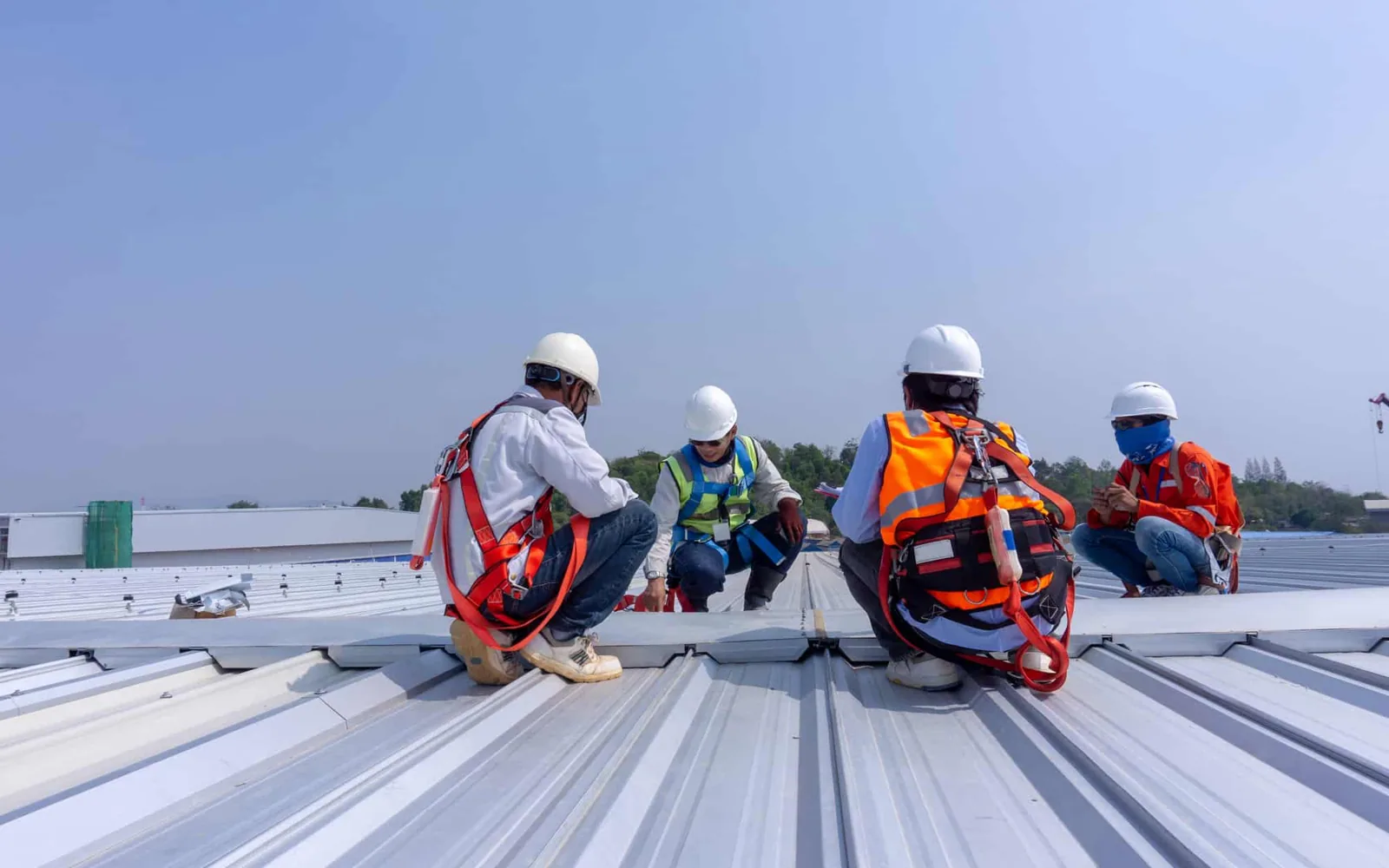 Get a Commercial Roof Repair Scope Request a roof assessment or call 555-555-5555. 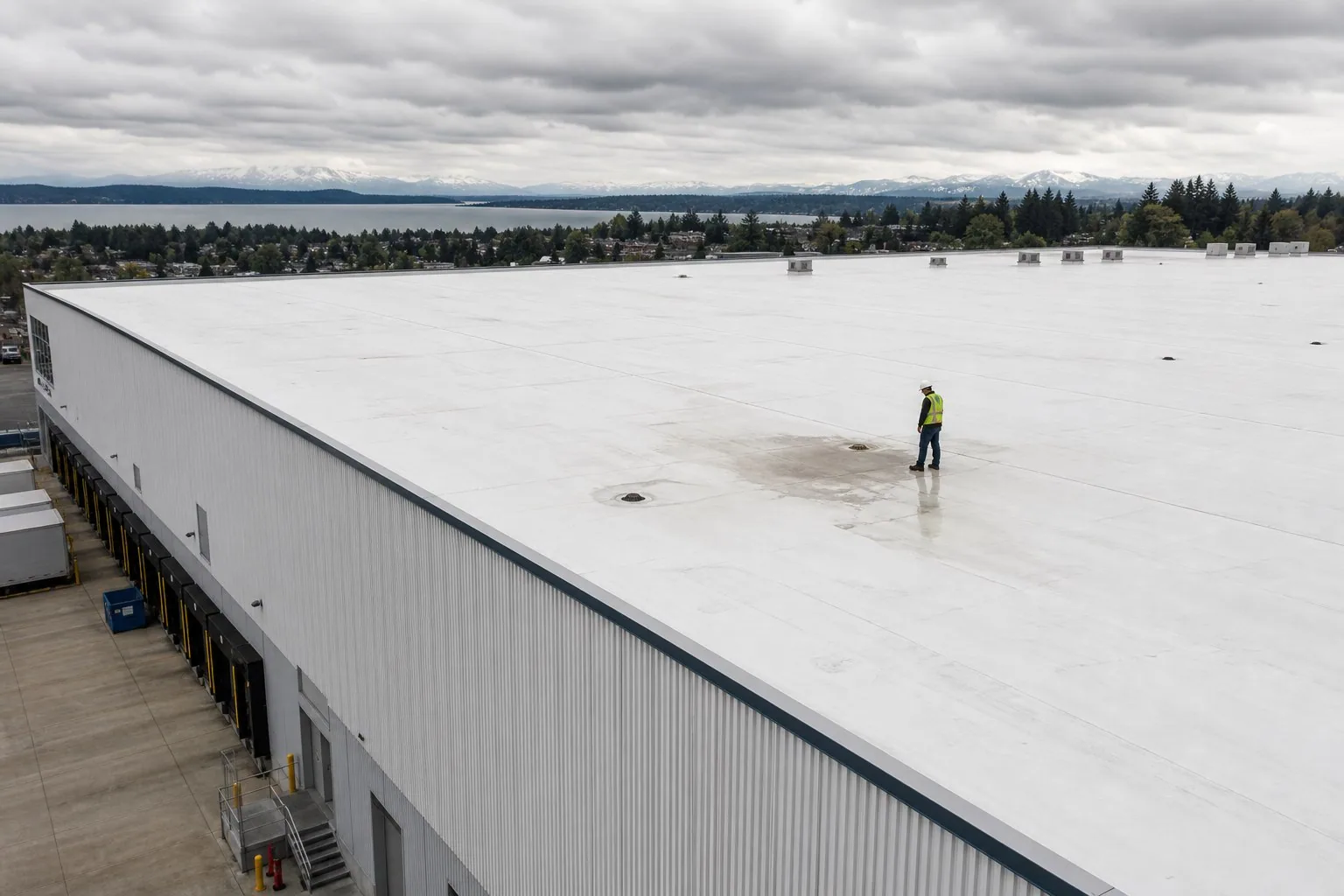 |
Repair the Roof Detail
Before repair, debris and loose material are removed so the substrate and membrane can be examined. We open failed laps or flashing only as far as needed to reach a sound connection. A seam repair may require cleaning and welding or installing compatible seam reinforcement. A puncture may need a patch that extends onto firmly bonded membrane on every side. At curbs and pipes, flashing must fit the shape of the penetration and turn water back onto the field membrane. The scope states how the repair connects to intact material.
Drainage defects call for a different response. We clear a blocked drain or scupper when access and the condition allow, then inspect the route for damage or poor transition. Vancouver's wet cool season means a restricted outlet can leave water standing while another detail is still being repaired. If ponding relates to a low area or settled deck, clearing the outlet alone may not solve it. We mark the condition and explain whether additional deck or drainage work should be considered.
Repair materials also need to suit temperature, moisture and access. Surfaces must be in a condition that permits adhesion or welding. Rain, dew or cold conditions can change the method or require a return visit after the roof is dry. We plan temporary protection if the building cannot wait for permanent work, and we explain the limit of a temporary patch. The permanent repair follows when the substrate is ready and the required material can be installed as intended.
Keep the Building in Service
Repair work is usually concentrated in a smaller roof zone, but access and operations still need planning. We identify the roof access point, staging location, interior protection needs and any restriction around active equipment. At the Port of Vancouver industrial waterfront, shipping and warehouse uses share working sites with freight movement. A repair schedule can account for loading activity, service routes and areas where materials cannot be set down. For occupied buildings, we coordinate noise, odors and overhead work with the facility contact.
Urgency depends on the water path and what is below it. An active leak near electrical equipment, inventory, patient areas or production equipment may need temporary containment while the permanent repair is prepared. We provide around-the-clock emergency response for active roof failures, including temporary dry-in when conditions demand it. A planned repair can then address the membrane, flashing, seam or drain in a controlled work window. The record should distinguish protection already installed from the permanent correction still required.
Repair cost and timing reflect access, roof height, material type, area affected, number of details, wet insulation and the need for test openings. A small visible split may have a larger concealed wet area, while several nearby defects can share one failed transition. We photograph the condition and define the repair limits. If removal reveals wet insulation or damaged deck, we show the finding and the proposed change for approval before expanding the work.
Check the Repair Afterward
After the repair, we photograph the corrected detail and note the materials and location. The roof record should show what was repaired, what nearby condition remains and whether the area needs a follow-up check. That information matters when another leak is reported later. Staff can compare the new report with the previous repair instead of guessing whether it is the same water path.
Vancouver's occasional summer heat can expose movement at old patches and transitions, while winter wind and rain test edge and flashing work. Keep drains clear and watch for new separation around equipment or parapet walls. A recurring defect may indicate a broader membrane or attachment issue that calls for an inspection beyond the original patch. We can include the repaired area in a preventive maintenance visit and report any change in visible condition. Owners along the Port of Vancouver industrial waterfront can use those records to coordinate roof access across active uses.
Commercial Roofing Questions
Can a roof repair stop a leak if the ceiling stain is across the room?
Yes, when we locate and correct the actual entry point. Water may travel across a deck or insulation before it reaches the ceiling, so we trace from the interior report to seams, flashing, curbs and roof edges above and around it. We mark the likely route and inspect for wet material. If the source remains uncertain, we explain what further opening or testing could confirm it.
Do you replace the whole membrane for a failed seam?
A failed seam can often be repaired when the surrounding membrane is clean, sound and compatible with the repair method. We check whether the separation is isolated or part of a larger attachment or material problem. If other seams are failing or insulation is wet across the area, the scope may need to extend beyond one lap. The findings show why we recommend a patch, broader repair or replacement.
What happens when rain is forecast during a roof repair?
We plan around the surface condition and the time needed to complete and protect the work area. Some materials need a dry substrate, so rain or dew can postpone permanent bonding or welding. For an active opening, we install temporary protection when feasible and explain how long it is intended to serve. The permanent repair proceeds when the roof is ready for the specified method.
How should we track repeat repairs at Columbia Business Center?
Keep each repair record tied to a marked roof location, photo, date, material and observed surrounding condition. That makes it easier to see whether later reports follow the same water path or arise at a separate detail. We can inspect adjacent seams, drains and penetrations during maintenance. A pattern of recurring failures helps determine when a larger section deserves a condition review.
Get a Commercial Roof Repair Scope Share the Vancouver property address, building use and reported condition. We will identify the roof area, document the defect and explain the repair or follow-up inspection needed. Request a roof assessment or call 555-555-5555.