About Commercial Roofers Vancouver
A commercial roof problem rarely arrives as a complete diagnosis. A tenant may report a ceiling stain. A facility manager may notice water beside a rooftop unit. An owner may have a renewal budget but no reliable record of which sections need attention first. Commercial Roofers Vancouver helps commercial property owners and facility teams investigate those conditions, define practical scopes and plan roof work around the building's use. Our work begins with the roof that is actually installed. During a commercial roof inspection, we identify the visible assembly, review accessible areas and document seams, flashings, drains, curbs, penetrations, edges and prior repairs. When an interior leak is reported, we consider the path water could take before it reaches the room. The location of a stain can point toward an area to investigate, but it does not by itself prove where water entered. Inspection Before RecommendationBefore a site visit, we ask for the property address, building use, reported symptoms, known roof material and any relevant repair or warranty records. We also confirm who can provide access and whether the building has security, escort or scheduling requirements. On site, the inspection focuses on the accessible roof areas related to the owner's question. We record conditions with notes and photographs so the next decision has a traceable basis. The assessment distinguishes what can be seen from what remains uncertain. Wet insulation, concealed attachment, deck condition or a leak route may require additional testing or a more detailed opening. If that information could change the proposed repair boundary, we explain the question and identify a suitable next step. We do not present a visual observation as proof of a concealed condition. A small, well-defined defect may call for a focused repair. A repair recommendation depends on the condition of the surrounding material and the compatibility of the selected products with the existing assembly. For reported leaks, commercial roof leak repair begins with finding the likely entry point and documenting the conditions that could let water in. If the issue needs urgent attention, emergency roof repair can address immediate exposure while the permanent scope is established. Temporary protection and completed repair are described separately so the property team understands what has and has not been resolved. | 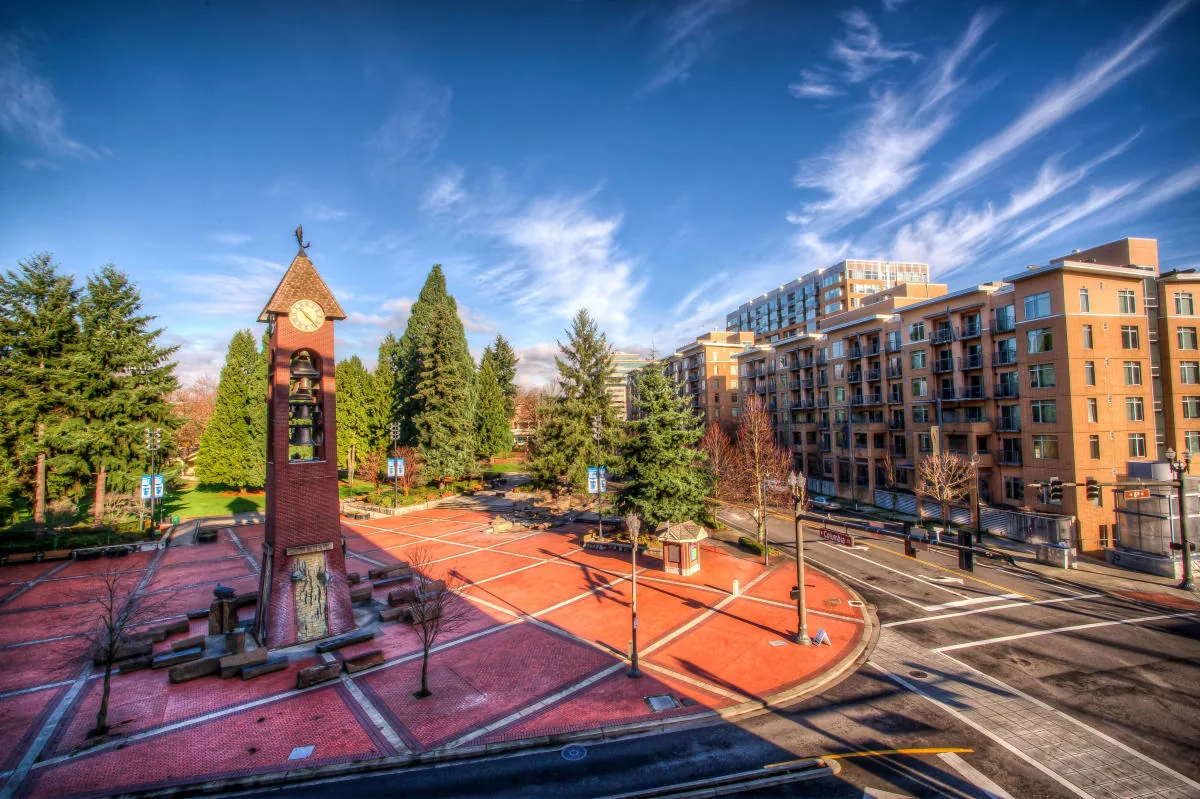 Start with the Building and the Evidence Request a roof assessment or call 555-555-5555. 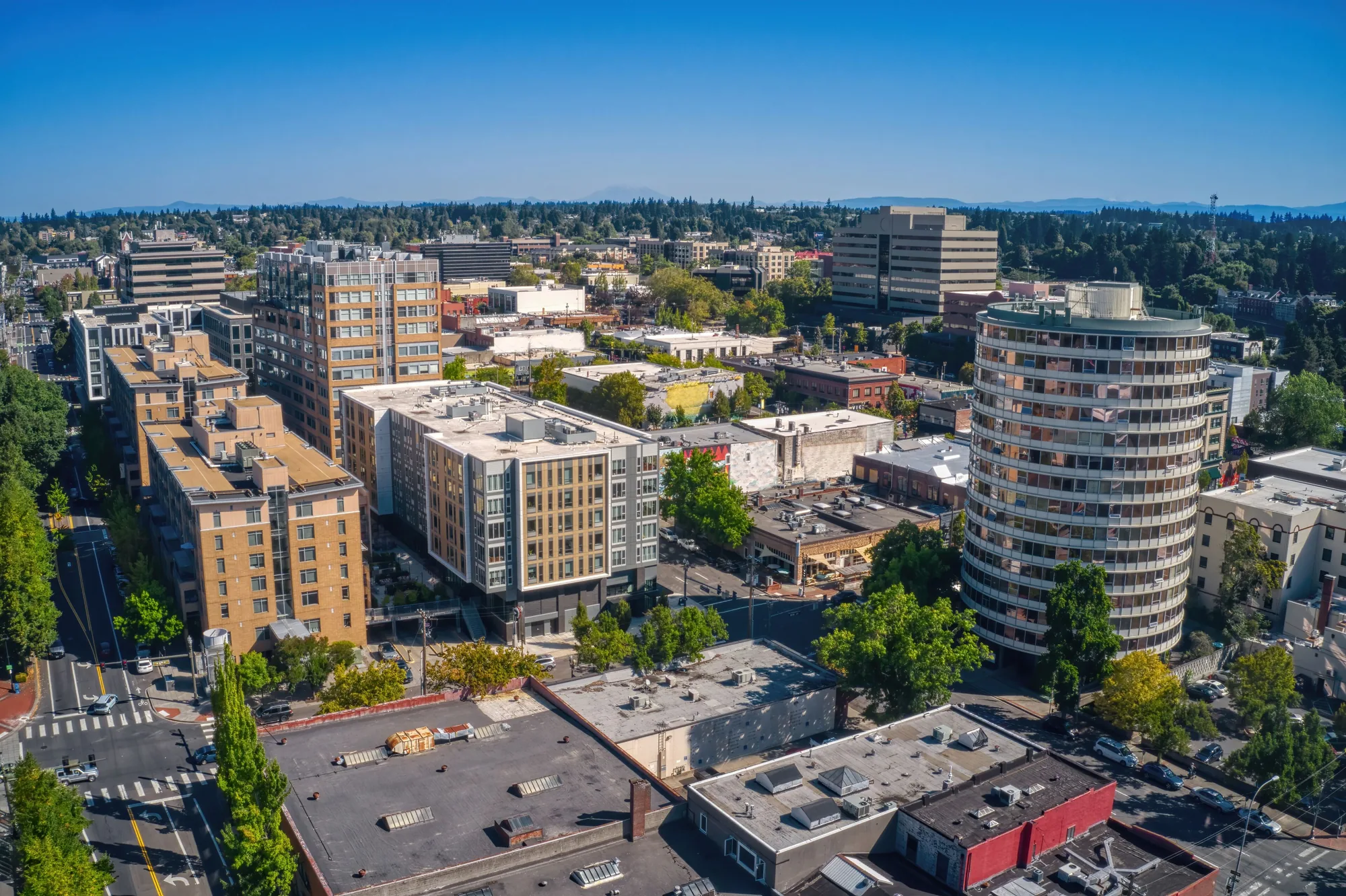 |
Repair, Restore or Replace
Owners often need to compare more than one path. Depending on the assembly and findings, those paths may include local repair, a roof recover, coating restoration or replacement. The presence of a leak does not automatically mean the whole system should be removed. At the same time, repeated failures, widespread moisture, deteriorated substrate or poor drainage can make a patch-by-patch approach unreliable. The written recommendation describes the areas included and the evidence supporting the proposed level of work.
For broader renewal, commercial roof replacement may be appropriate when the existing system or substrate condition supports a full renewal scope. If the roof is suitable for an additional assembly, roof recover and overlay can be evaluated against tear-off requirements, existing layers and project constraints. A coating or restoration path requires a compatible, adequately prepared surface. Each option has limits; the right choice follows the documented condition and project requirements rather than a single material preference.
When water is standing, drain and scupper conditions, slope, deflection and the extent of moisture must be understood. At edges and walls, movement and flashing transitions can matter as much as the field membrane. Rooftop equipment adds curbs, supports, penetrations and service traffic to consider. We keep recommendations tied to those details and identify any areas not included in the inspection.
Coordination for Working Buildings
Commercial roofs sit above active properties. Work can affect production, customer access, classroom schedules, patient spaces, deliveries and tenants. We coordinate with the property contact to understand work hours, roof access, staging, noise limits, sensitive areas and protection needs. These discussions help establish the sequence and work boundaries before mobilization. A building's use is part of the scope because a technically sound repair still needs a workable plan for the people below it.
Vancouver's mix of industrial, port, commercial and public properties makes that coordination tangible. A logistics site in Columbia Business Center can have loading activity and rooftop equipment to work around. The Port of Vancouver waterfront includes industrial and marine operations with their own access and security procedures. A property near Esther Short Park may sit among offices, storefronts and busy pedestrian routes. These place names do not tell us the condition of any individual roof; they help frame the access and operating questions to confirm with the site team.
Rain during the region's cool season and winter wind influence inspection conditions and repair timing. We account for a safe access window and the conditions required for the selected materials. The weather history is context, not a substitute for a roof assessment. If conditions prevent part of the inspection, the report identifies the limitation rather than implying all areas were reviewed.
Information Owners Can Use
After the inspection, owners receive an organized account of the roof areas observed, conditions found, recommended work and follow-up questions. Photos are tied to locations or details where practical. The scope states preparation and access expectations, the area addressed, and what is outside its boundary. If the recommendation depends on a record that was unavailable, such as an original assembly document or warranty, we identify that dependency.
For properties with multiple roof sections, separating the findings makes it easier to sequence work and compare priorities.
Preventive attention can help owners notice drainage issues, loose or deteriorated details and changes since a prior inspection. Preventive roof maintenance cannot eliminate the possibility of future leaks or replace repairs when defects are found. It creates a current record and a chance to address observed conditions before they disrupt building operations.
The Buildings and Teams We Serve
We work with commercial property managers, real estate owners, industrial and logistics operators, manufacturers, public agencies, schools, healthcare facilities, retailers and general contractors. Their decisions differ. A facility lead may need access controls and a safe sequence; an asset manager may need a comparable scope for capital review. We adapt the inspection record to the decision while keeping each finding tied to the building.
Clear Scope and Follow-Through
Good roof work depends on a clear scope. We state what the assessment covers, how access works, which findings support the recommendation and what still needs confirmation. If removal exposes concealed conditions, we document the area and request approval before expanding the work, except when the owner authorizes the revised scope.
Commercial Roofing Questions
Does a reported roof leak automatically call for replacement?
No. We inspect the assembly and surrounding conditions, then explain whether a localized repair, further testing, restoration or replacement is supported by the evidence.
What information speeds the first commercial roof inspection in Vancouver?
Send the property address, roof access contact, reported leak locations, timing, known system information and any repair or warranty records you have.
How do you choose between repair and recover?
The inspection checks moisture, attachment, roof layers and transition height. We compare the options against the same roof area and state what each one leaves in place.
Can work proceed while the building stays open?
We set work zones, access routes, daily closure points and interior protection with the facility contact. The schedule states where operations need to pause or reroute.
Start with the Building and the Evidence Tell us the property address, roof concern, building use and access contact. We will discuss an inspection scope and the information needed to make a practical recommendation. Request a roof assessment or call 555-555-5555.