Commercial Roof Inspection in Vancouver, WA
Get a hands-on commercial roof inspection in Vancouver with photos, marked findings and repair priorities for membranes, flashing, drainage and equipment. A facility roof with drains, curbs and service routes needs more than a view from the ladder. We inspect commercial roofs in Vancouver, WA by walking accessible areas and checking the details that control water entry and drainage. The Vancouver VA campus includes patient-care, imaging, dental, logistics, maintenance and boiler-plant buildings, each with different roof access and operating needs. We record visible condition by roof area and connect each finding to what the building manager needs to decide next. The inspection checks seams, membrane attachment, flashing, edges, penetrations, drains, scuppers and rooftop equipment supports. We note damage, open laps, loose terminations, ponding, debris and areas where water may have entered. Photos and a marked roof location make findings easier to use for repair planning. A written condition report can separate urgent protection from planned maintenance. If a leak is active, our leak investigation follows the water path to the entry point. Check the Details That Control WaterWe begin with accessible roof areas and the building's reported concerns. The roof surface is reviewed for punctures, blisters, loose patches, seam separation, surface wear and standing water. At the perimeter, we check edge metal, coping and terminations. Around curbs, vents, pipes and skylights, we look for flashing that has opened, cracked or separated from the field membrane. A defect is recorded with its location and nearby conditions so the facilities team can distinguish one repair from another. Drainage review follows the water path. We inspect drains, scuppers, overflows and visible conductor connections for debris or damage. Vancouver's cool wet season makes clear drainage important for limiting ponding and repeated wetting at seams. Occasional snow or freeze events can affect how water leaves the roof, while warmer summer periods can reveal movement at exposed details. If low areas retain water after rain, we note the extent and whether the outlet or roof slope appears to be involved. Inside the building, staff reports can help target the roof walk. We compare ceiling stains, active drips and prior repair locations with the roof details above. Water can travel laterally before becoming visible, so we do not assume the stain aligns with the opening. Suspected wet insulation is recorded separately from confirmed moisture. When a visual inspection cannot establish the limit, an infrared and core-cut survey can investigate selected areas. The inspection report states what was visible and what needs further testing. | 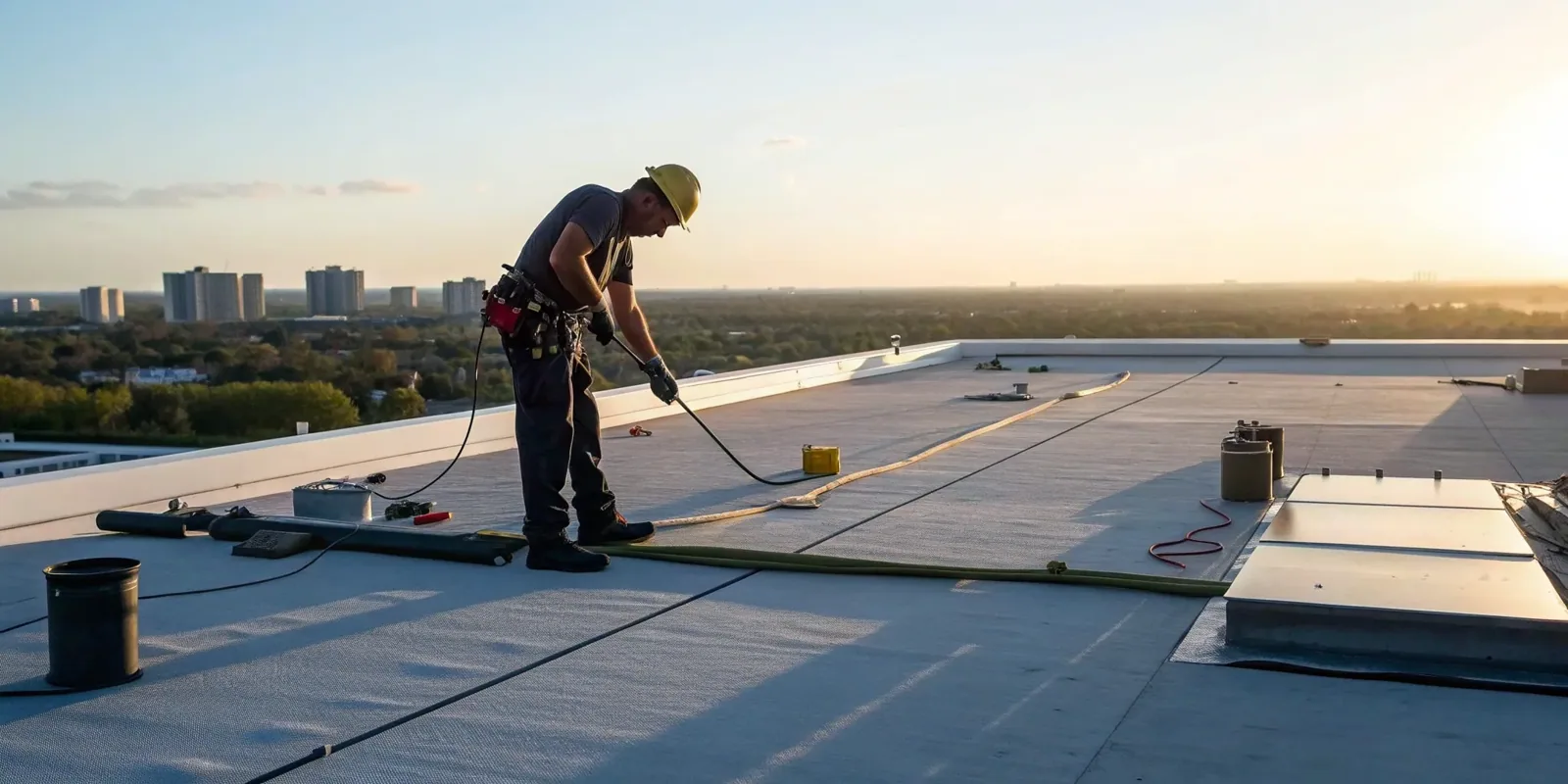 Schedule a Hands-on Roof Inspection Request a roof assessment or call 555-555-5555. 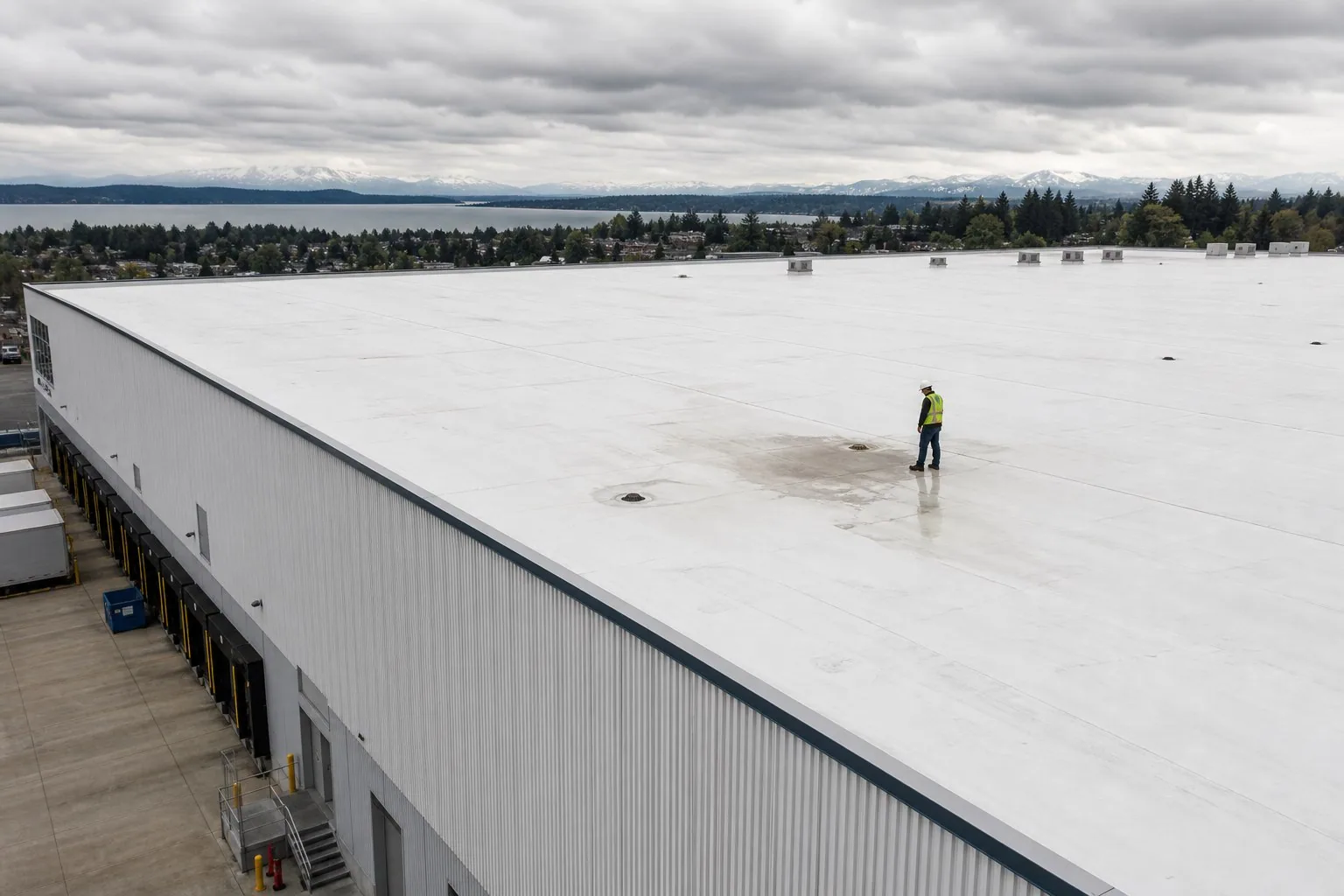 |
Sort Findings by Action
Findings are useful when they lead to a clear next step. We group conditions that need immediate protection, repairs that can be scheduled, and items to monitor during routine maintenance. An open seam that admits water differs from a surface mark with no sign of separation. A blocked drain requires a different response than a roof area that holds water because of its slope. We explain what each condition means for the roof rather than using a generic pass or fail label.
Repair priority reflects the water path, interior exposure, affected material and the likelihood that the defect will expand. We identify locations where wet insulation, deck damage or unstable attachment may change the scope. For a defined defect, a commercial roof repair may restore the detail. Where repeated leaks or deterioration appear across separate areas, findings may support a replacement evaluation. The report connects the recommendation to photographed evidence.
The inspection also records roof system details when they are identifiable. TPO, PVC, EPDM, modified bitumen and built-up roofs have different seams, flashing materials and repair methods. We note apparent roof type and any layers or transitions that affect maintenance. We do not infer concealed construction from a surface view. That distinction matters on multi-building properties, where one roof may differ from another even when their uses look similar.
Plan Safe Roof Access
Access planning begins with the property contact, roof entry point, ladder or hatch, and any restrictions around equipment. We identify areas that cannot be walked safely and use other observation methods where appropriate. On occupied properties, the schedule can account for patient services, deliveries, tenant movement and maintenance activity. The VA campus in Vancouver includes clinical and support buildings, so the specific roof and operating contact determine how access is arranged. Inspection notes describe any area that could not be reached directly.
For a large or complex roof, several roof sections may need separate maps and photographs. For a specific property, the site contact confirms access and staging before inspection. Drone imaging can supplement a walk at broad or difficult-to-access locations. It can show overview conditions and roof geometry, but close inspection remains necessary for membrane seams, flashing bonds and attachment. We explain where the observation came from so a photo does not imply a hands-on check that did not occur.
In the Lower Grand Employment Area, office, industrial and flex-industrial uses can bring different access schedules and equipment layouts. We record the relevant operating limits before setting the inspection route. The inspection scope and time depend on access, roof height, number of sections, equipment density, surface conditions and whether moisture testing is requested. If recent rain leaves a roof unsafe or too wet for a reliable check, we identify what needs a return visit. We can prioritize active leak zones first, then continue with remaining sections. The facility contact receives the inspection boundary and any limits on the findings.
Use the Report for the Next Decision
The written report includes marked locations, photographs, observed condition and recommended next steps. It can also list drains, roof access points and equipment details that deserve attention during maintenance. Where the roof condition is uncertain, we state what additional opening, test or survey would resolve the question. That helps the owner decide whether to repair now, gather more information or budget for larger work.
Seasonal checks can compare the roof with its prior visible condition. Before Vancouver's wet months, drain cleaning and flashing review may catch details that let water enter. After service work or equipment changes, a follow-up can find punctures or disturbed membrane. A maintenance program can keep these findings organized. For the Vancouver VA campus, a building-by-building record helps facilities staff coordinate the different patient, administrative and support uses without blending separate roof conditions.
Commercial Roofing Questions
What does a commercial roof inspection report show?
It shows the areas inspected, visible roof condition, photographs, marked locations and recommended next steps. We note open seams, flashing concerns, drainage restrictions, penetrations and any evidence of moisture. If a roof area was inaccessible or a condition needs a test cut, the report identifies that limit so the reader can see what remains unknown.
Can you inspect several buildings on one Vancouver campus?
Yes. We can document each accessible roof section under its building name or location, with separate photos and findings. That keeps a drain issue at one building from being confused with flashing damage at another. Access, operating hours and roof entry are coordinated with the facility contact for each area included in the scope.
Will an inspection tell us how much insulation is wet?
A roof walk can identify visible signs, but it cannot confirm every concealed condition. Infrared readings can point to areas for follow-up, and core cuts can verify material at selected spots. We distinguish suspected moisture from confirmed wet insulation and explain where further investigation could establish a boundary.
How should we use findings that are not urgent?
Keep them with the roof-area map and compare them during later maintenance visits. A minor open detail or drainage concern can change, especially after heavy rain, service traffic or equipment work. We state whether an item should be repaired, monitored or reviewed again, so the facilities team can set a reasonable follow-up.
Schedule a Hands-on Roof Inspection Send the Vancouver property address, building use, roof areas of concern and any access requirements. We will define the inspection areas and provide photos, marked findings and repair priorities for the facility team. Request a roof assessment or call 555-555-5555.