Distribution Center Roofing in Vancouver, WA
Protect distribution center operations in Vancouver with roof inspection, leak repair and reroofing that accounts for docks, sorting areas and inventory. A drip above a conveyor junction can stop more than the aisle directly below it. We inspect and repair distribution center roofs in Vancouver, WA with the movement of goods in view. Columbia Business Center combines distribution, manufacturing and industrial properties and has rail and barge connections. A roof project there may need to coordinate dock access, material delivery and inventory routes with the facility contact. We start with the affected roof area and set a work boundary around operations that cannot be interrupted. Distribution buildings often have broad roof areas, multiple drains, rooftop equipment and long interior travel paths. We inspect seams, attachment, flashing, penetrations and drainage, then connect each finding to the interior report. A commercial roof inspection maps the roof sections and repair priorities. If water is actively entering, our emergency response starts by locating safe roof access and limiting further water entry; the lasting repair receives its own scope. Map the Work AreaWe need the building grid, affected process area and roof access point before setting the inspection route. A leak can show up over a conveyor or sorter but enter through a curb, seam or roof edge some distance away. We compare the interior location with roof features, drains and previous repair points. On a property with multiple roof sections, we label each building and bay separately so the work order directs the crew to the right area. Vancouver's cool wet months bring repeated rain to seams and flashing. Winter wind can challenge attachment at exposed edges, while occasional snow and freeze events make drains and overflows worth checking. We inspect for open laps, ponding, loose edge metal, punctures and wet insulation. A moisture survey with selected core cuts can investigate suspected wet material before a recover or replacement is considered. Roof-mounted units, exhausts, skylights, antennas and service walkways can intersect with sorting equipment or rack layouts below. We review the curb and flashing around each item and identify any access limits. If equipment service recently occurred, we check for debris or membrane punctures near the work area. The report shows what was inspected and whether a location needs a closer test or repair. |  Plan Distribution Center Roof Work Request a roof assessment or call 555-555-5555. 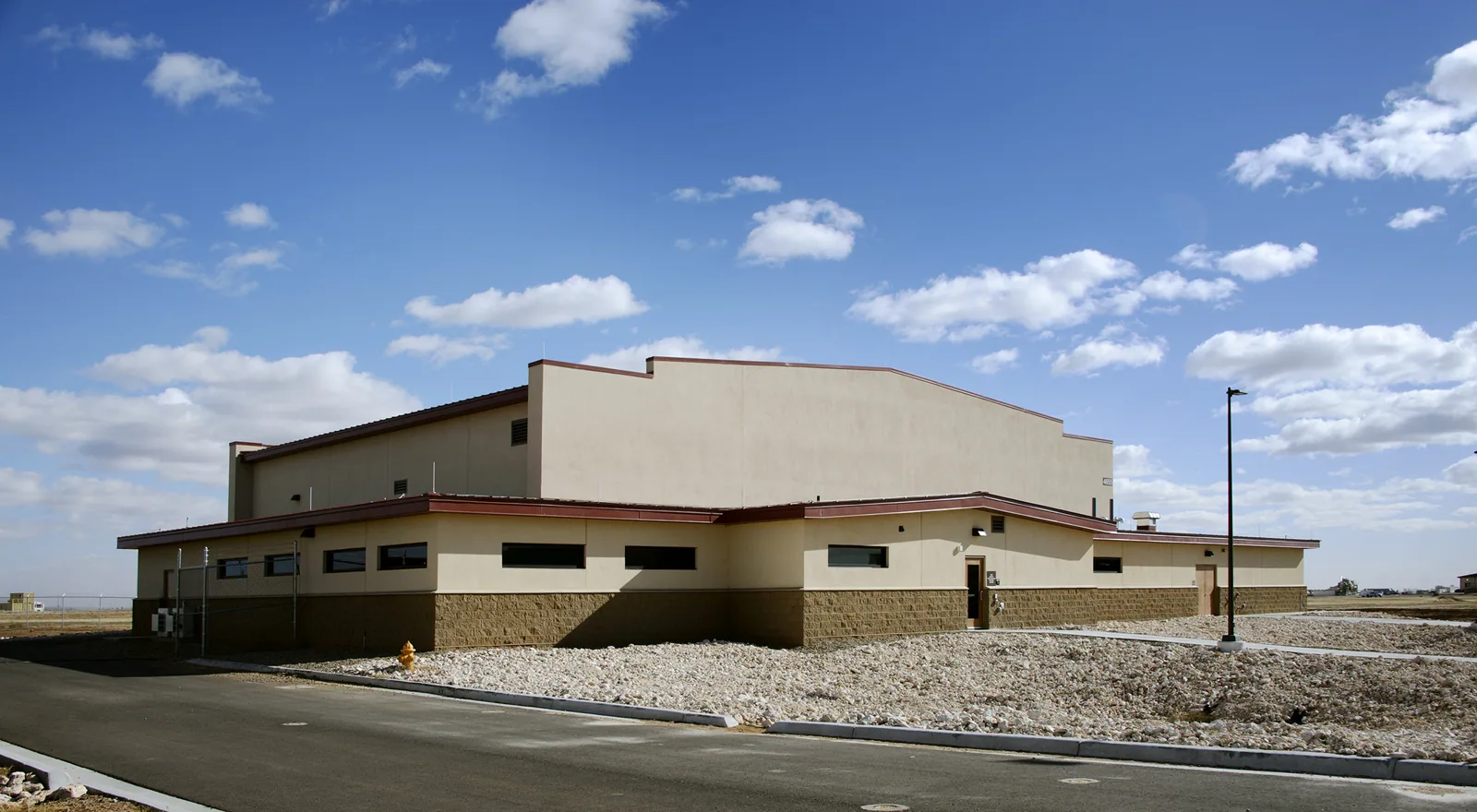 |
Keep Freight Flowing
Distribution work depends on dock lanes, trailer staging, receiving windows and safe circulation. We coordinate roof access and material staging so a lift or delivery does not block a critical route. Port properties connect river cargo with rail and highway freight, so active shipping areas may have specific movement restrictions. We ask the property contact to identify the operating schedule and areas where the crew cannot stage materials or leave equipment.
Roof work can proceed in sections when the system and weather allow. Each area is opened, repaired or replaced, then dried in before the crew shifts to the next section. Vancouver's wet season makes that sequence important. For an occupied distribution center, we identify interior protection, noise, odors and any temporary restriction beneath the roof work. A phased reroof plan can coordinate work by roof section and operating zone.
Timing and cost depend on roof area, equipment density, layer removal, insulation and deck condition, access equipment and how operations constrain work hours. Large roof areas do not mean every section has the same condition. We map repair boundaries and explain which findings could change after removal. If wet insulation or deck damage is found, we show the condition and provide the additional scope before expanding the area.
Select the Right Scope
An isolated seam failure or puncture may need a targeted repair when surrounding insulation and attachment remain sound. Several recurring leaks, widespread wet insulation or failing perimeter details can support a larger review. We compare the findings with maintenance records and previous repairs. A planned repair scope can correct discrete failures. A recover option needs a stable, dry enough assembly and must satisfy project requirements. A full replacement permits concealed layers and deck to be addressed during removal.
System choice follows the existing deck, insulation, roof use and service requirements. Heat-welded laps join TPO and PVC membrane sheets. EPDM uses a different seam method. A TPO assembly may suit a project, while metal or modified bitumen can be considered when building slope and conditions support it. We identify the current roof and explain attachment, edge and drainage details before choosing a new assembly.
Columbia Business Center and the Port of Vancouver serve different industrial and freight uses. A warehouse roof and a manufacturing plant roof can also have different service routes and equipment exposures. Those local operating contexts inform planning, but they do not establish what roof system a specific facility has. We document the actual membrane, drains, curbs and work zones. A photo-based roof report can help the facilities team compare buildings and prioritize repairs without blending separate roof histories.
Document Each Roof Section
Closeout photographs show repaired seams, drains, curbs and edges. We label each roof area and note completed work, monitored conditions and anything that could not be inspected. A distribution center may have additions or separate roof elevations, so the record identifies which section received the repair. This helps the next maintenance visit begin at a known location.
Keep roof reports with building plans, leak logs and equipment service records. At Columbia Business Center, rail, barge and distribution activity can influence access and delivery plans. A maintenance visit can check drains, penetrations, seams and service paths before the next wet season. The record should show the visible condition and work performed, not presume every building in a complex shares the same assembly.
Commercial Roofing Questions
Can crews repair a Vancouver distribution roof while shipments continue?
Phased work can keep other aisles open, while the manager clears each bay below active overhead work and establishes a safe path for forklifts and staff. We coordinate access, dock activity and interior routes with the facility team. The plan identifies affected areas, hours and the dry-in sequence before the roof is opened.
How do you find a leak over conveyor equipment?
We use the interior report to target the roof area, then check curbs, seams, drains and flashing above and around it. Water can travel along the deck before reaching the conveyor line. We mark the likely entry path and inspect nearby insulation, then recommend testing if concealed moisture needs confirmation.
Does a large distribution roof need a full replacement when several leaks appear?
Several leaks can come from isolated details or from a broader membrane condition. We map each location, inspect attachment and moisture signs, and compare findings with repair history. If failures are limited, repairs may remain practical. Widespread deterioration or wet insulation can support replacement planning.
What information helps plan a distribution center reroof?
Provide roof plans, operating hours, dock and trailer routes, inventory constraints, equipment locations and prior leak reports. We use them to set access, staging and section boundaries. We confirm conditions on the roof and identify any area that needs a test cut before the full schedule is set.
Plan Distribution Center Roof Work Send the Vancouver property address, building use, affected roof section and freight or dock constraints. We will map the condition and outline inspection, temporary protection, repair or reroofing needs. Request a roof assessment or call 555-555-5555.