Roof Systems in Vancouver, WA
Vancouver's wet cool season, winter wind and occasional summer heat put different demands on commercial roof materials. We start by identifying the existing assembly, its attachment and the condition of the substrate. The roof plan, building use, access and drainage all matter. A system name alone does not tell an owner which repair or replacement detail fits the property.
For a single-ply membrane, TPO roofing and PVC roofing use heat-welded seams, while EPDM roofing uses compatible seam products. KEE roofing is a PVC-based option with product-specific requirements. The installed membrane and approved assembly guide repair materials and application methods.
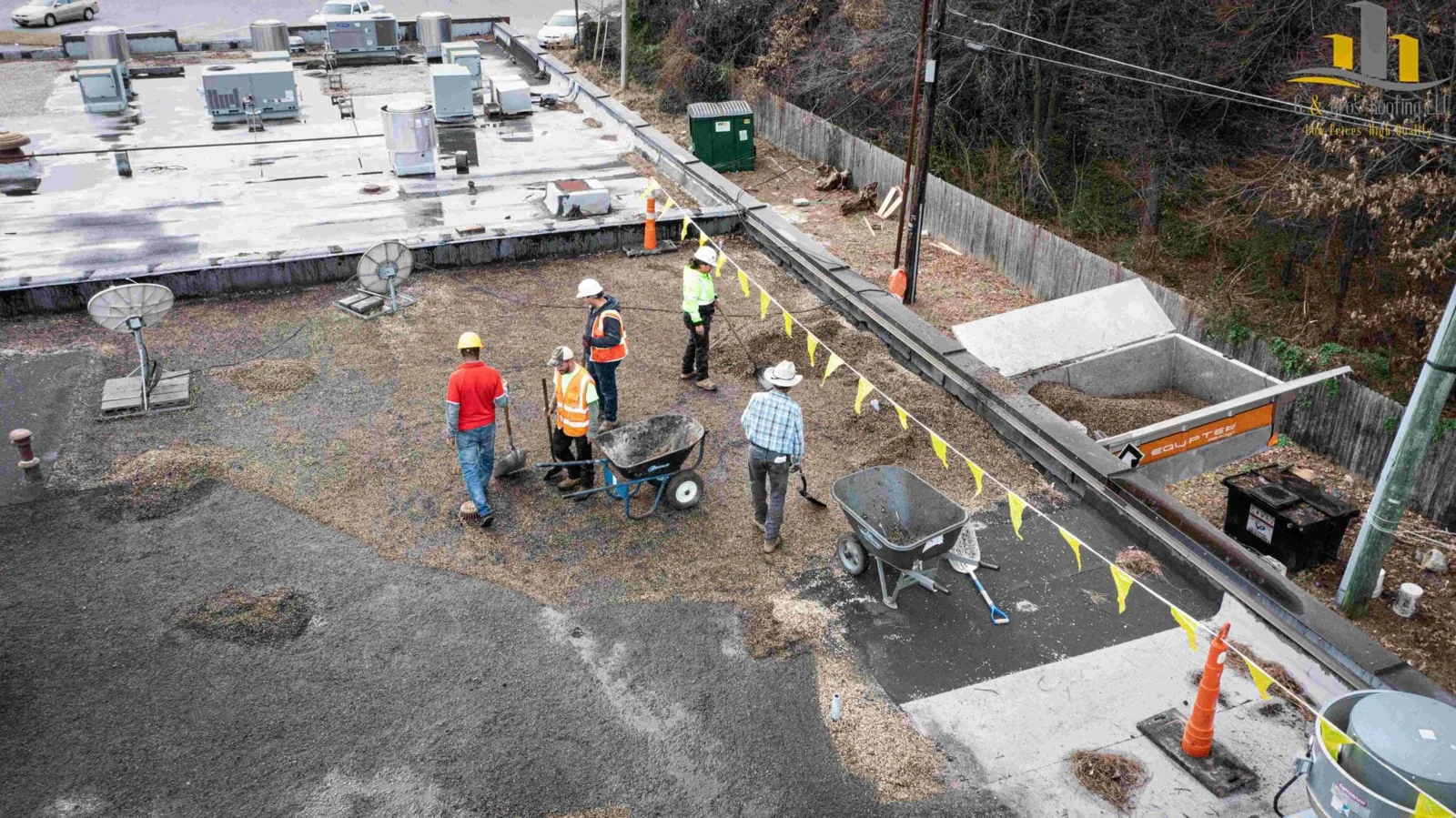 | TPO Commercial RoofingInstall, repair or inspect TPO commercial roofing in Vancouver. We review welded seams, attachment, flashing and drainage for the building's roof assembly. |
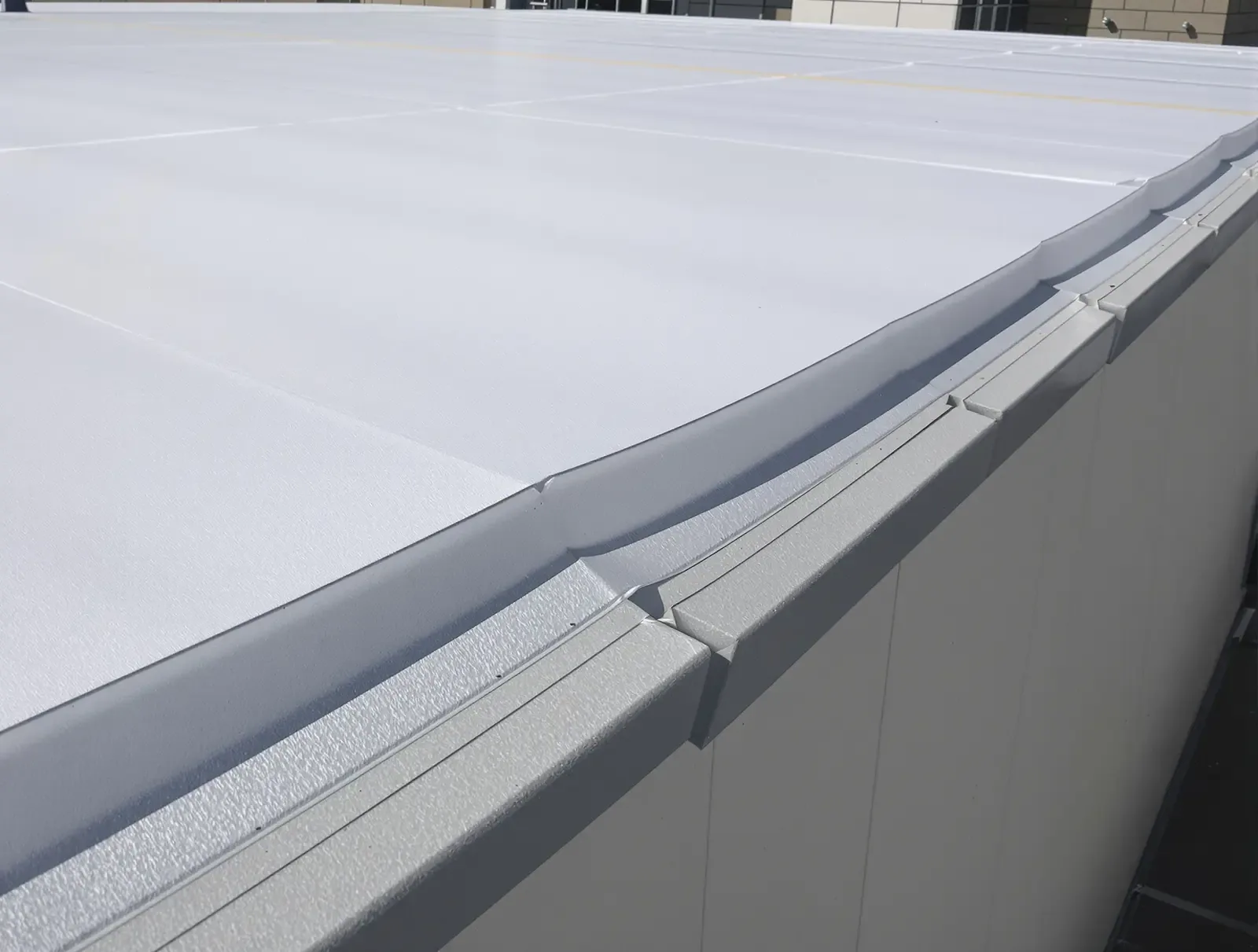 | PVC Commercial RoofingEvaluate PVC commercial roofing in Vancouver for welded seams, rooftop exhaust exposure, attachment, insulation and flashing details suited to the building. |
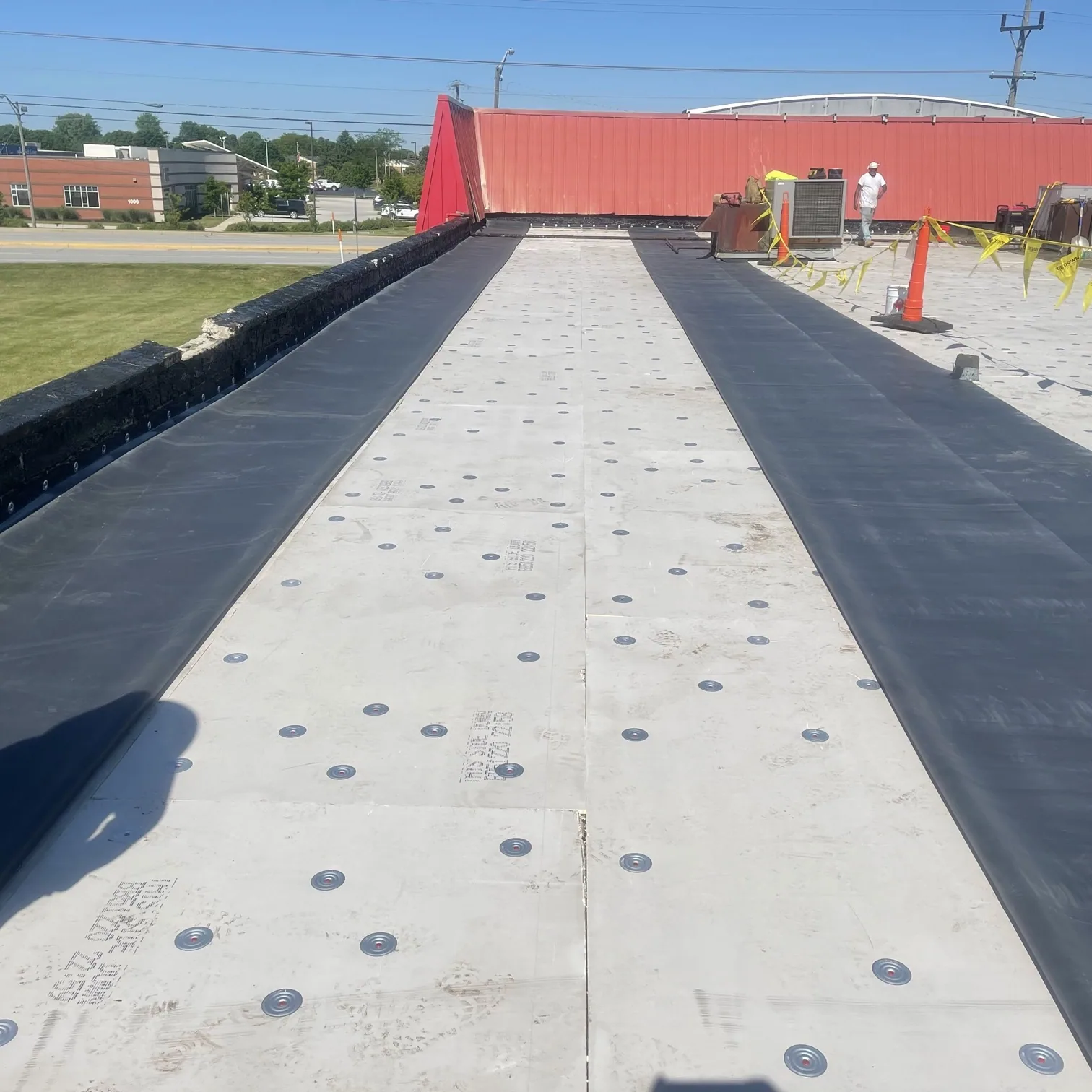 | EPDM Commercial RoofingInspect, repair or replace EPDM commercial roofing in Vancouver. We check adhered seams, membrane attachment, flashing and wet insulation before setting scope. |
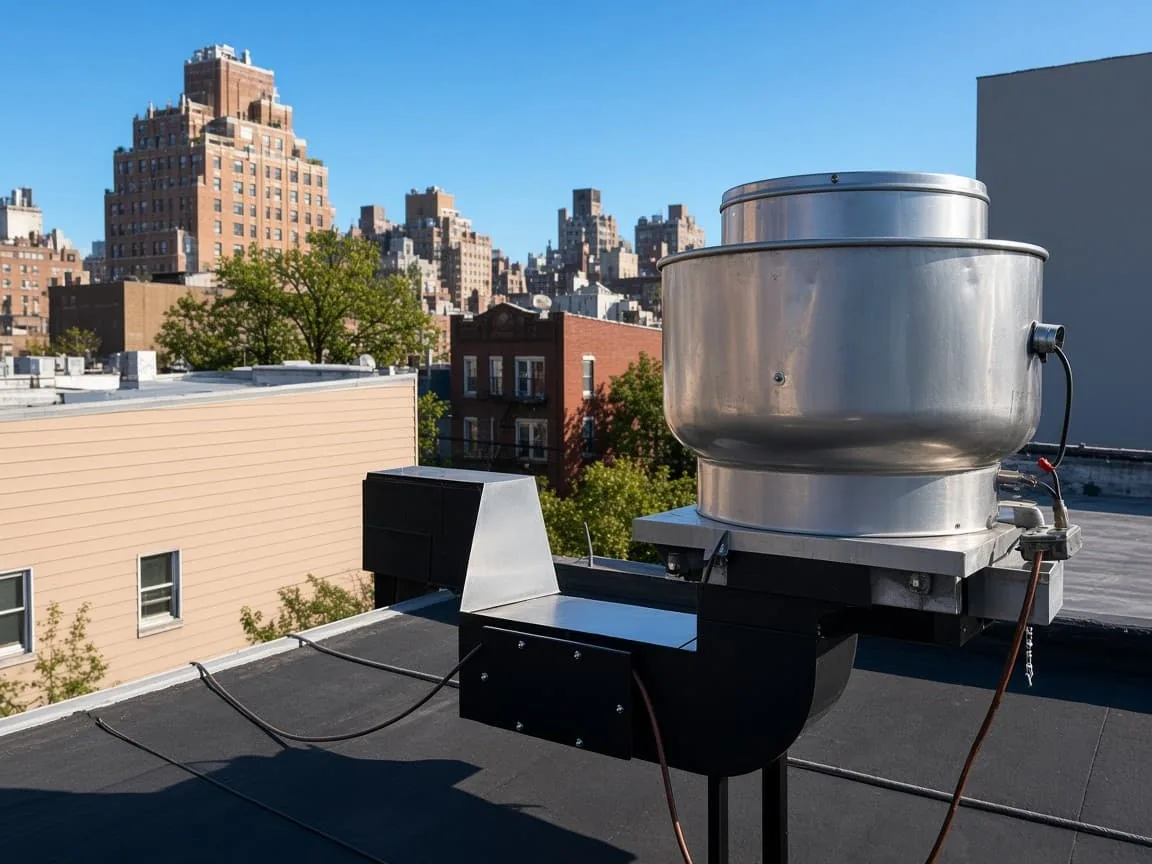 | KEE Commercial RoofingAssess KEE commercial roofing in Vancouver for welded seams, flashing, attachment and rooftop exposure. We document the assembly and repair needs. |
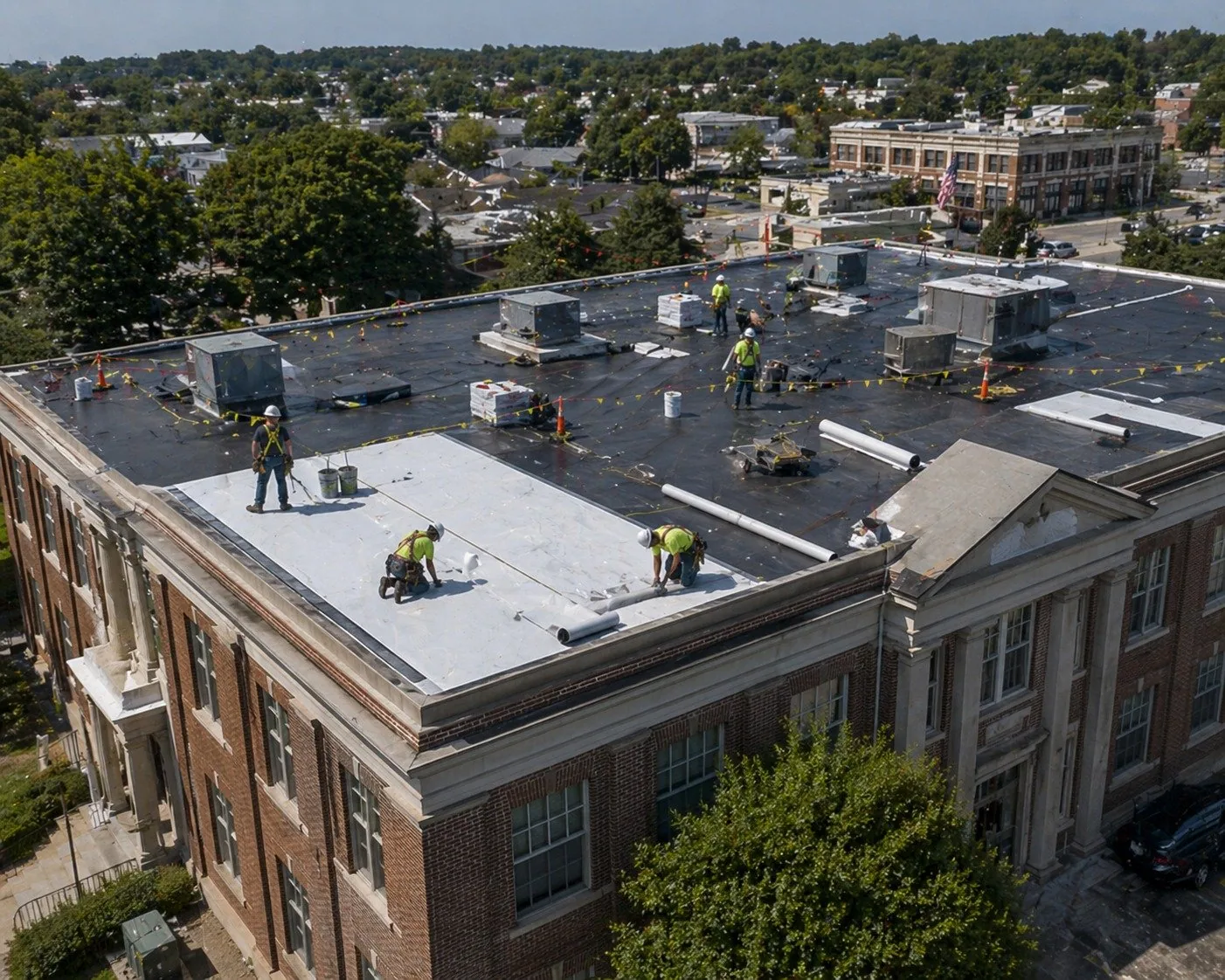 | Modified Bitumen Commercial RoofingInspect, repair or replace modified bitumen roofing in Vancouver. We check sheet laps, surfacing, flashing, drainage and layers before setting the work scope. |
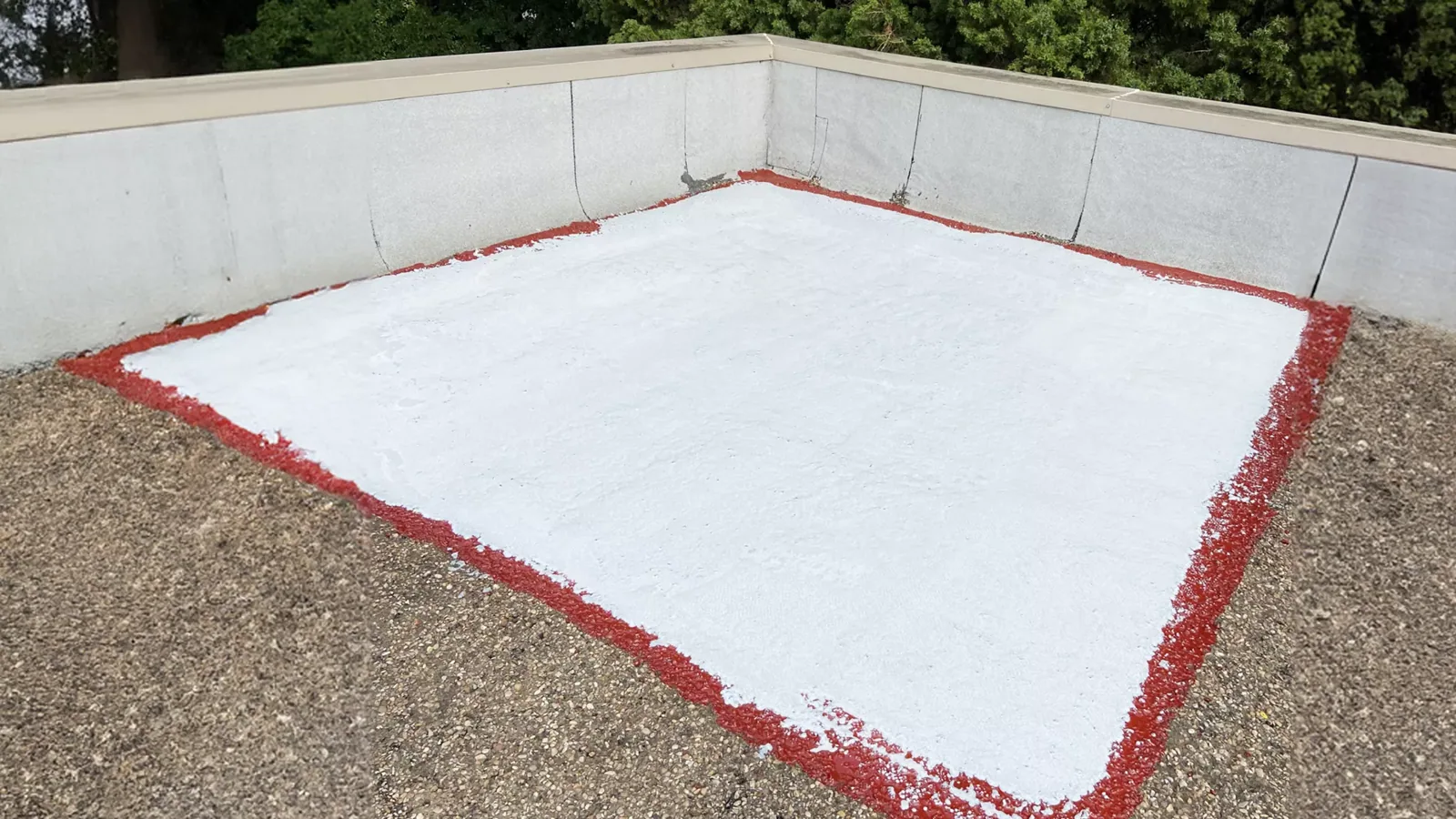 | Built-Up Commercial RoofingInspect and repair built-up commercial roofing in Vancouver. We review roof plies, surfacing, flashing and drainage before recommending repair or replacement. |
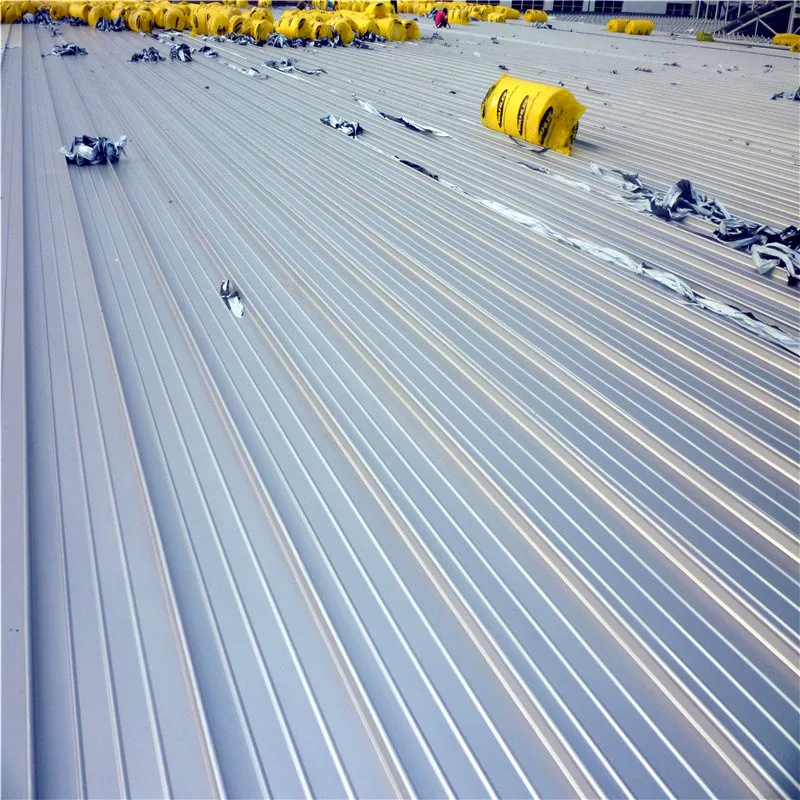 | Standing Seam Metal RoofingInstall and repair commercial standing seam metal roofing in Vancouver. We inspect panel seams, clips, flashing, fasteners and drainage before setting scope. |
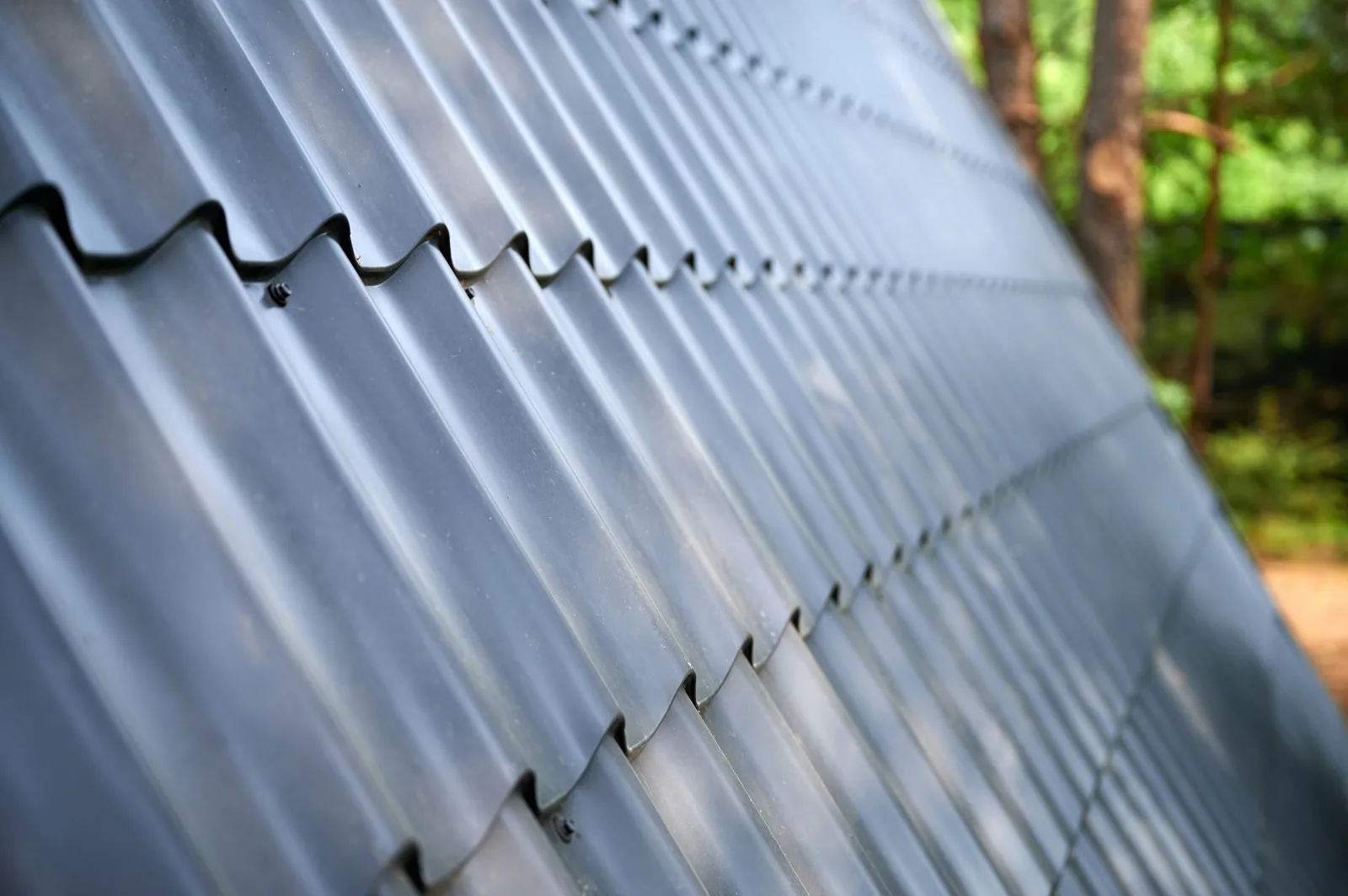 | Commercial Metal Roof RetrofitEvaluate an exposed-fastener metal roof retrofit in Vancouver. We inspect panels, fasteners, framing, insulation and drainage before choosing a new assembly. |
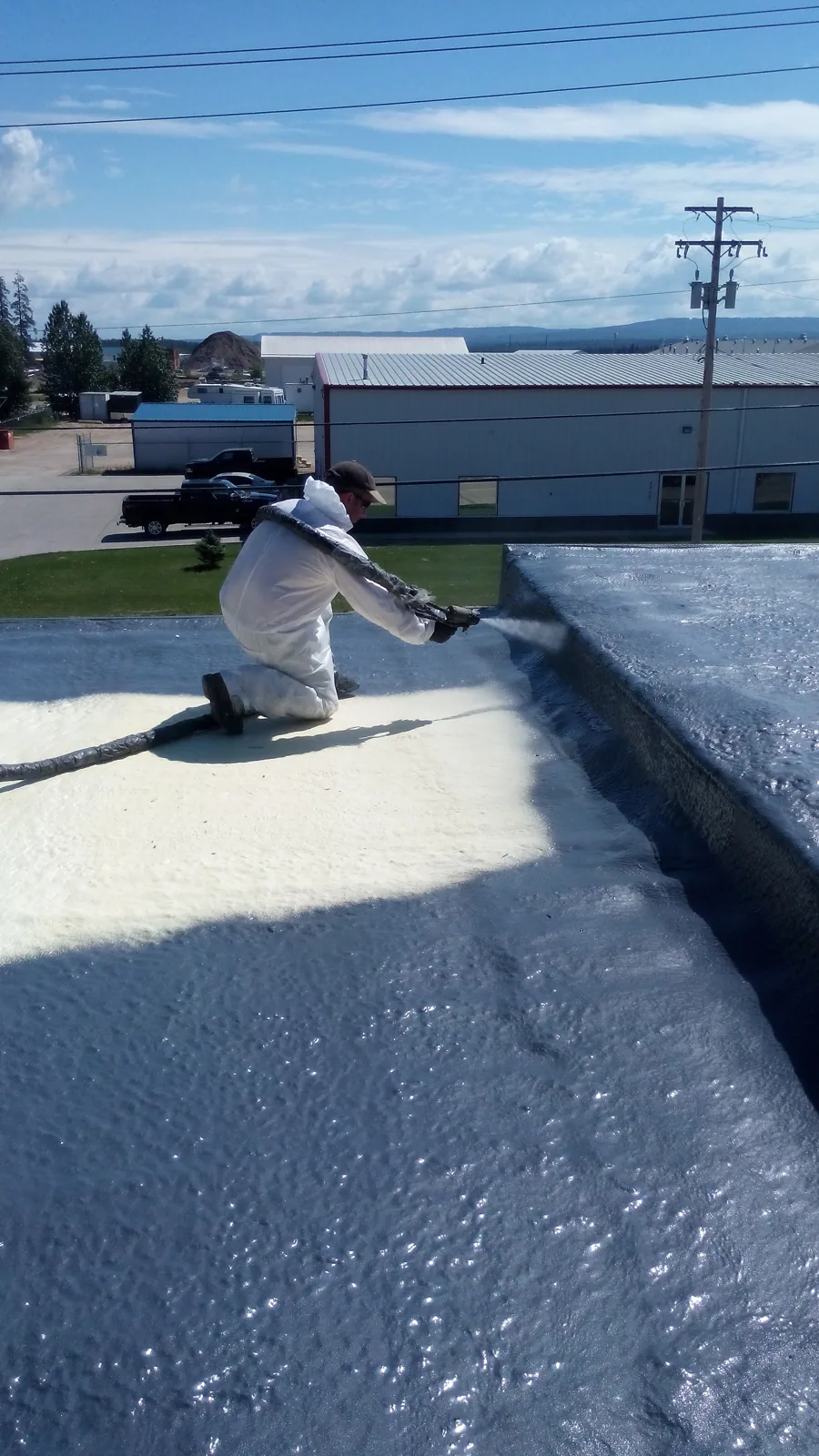 | Spray Polyurethane Foam RoofingInstall or restore spray polyurethane foam roofing in Vancouver. We inspect adhesion, drainage, penetrations and protective coating before defining the scope. |
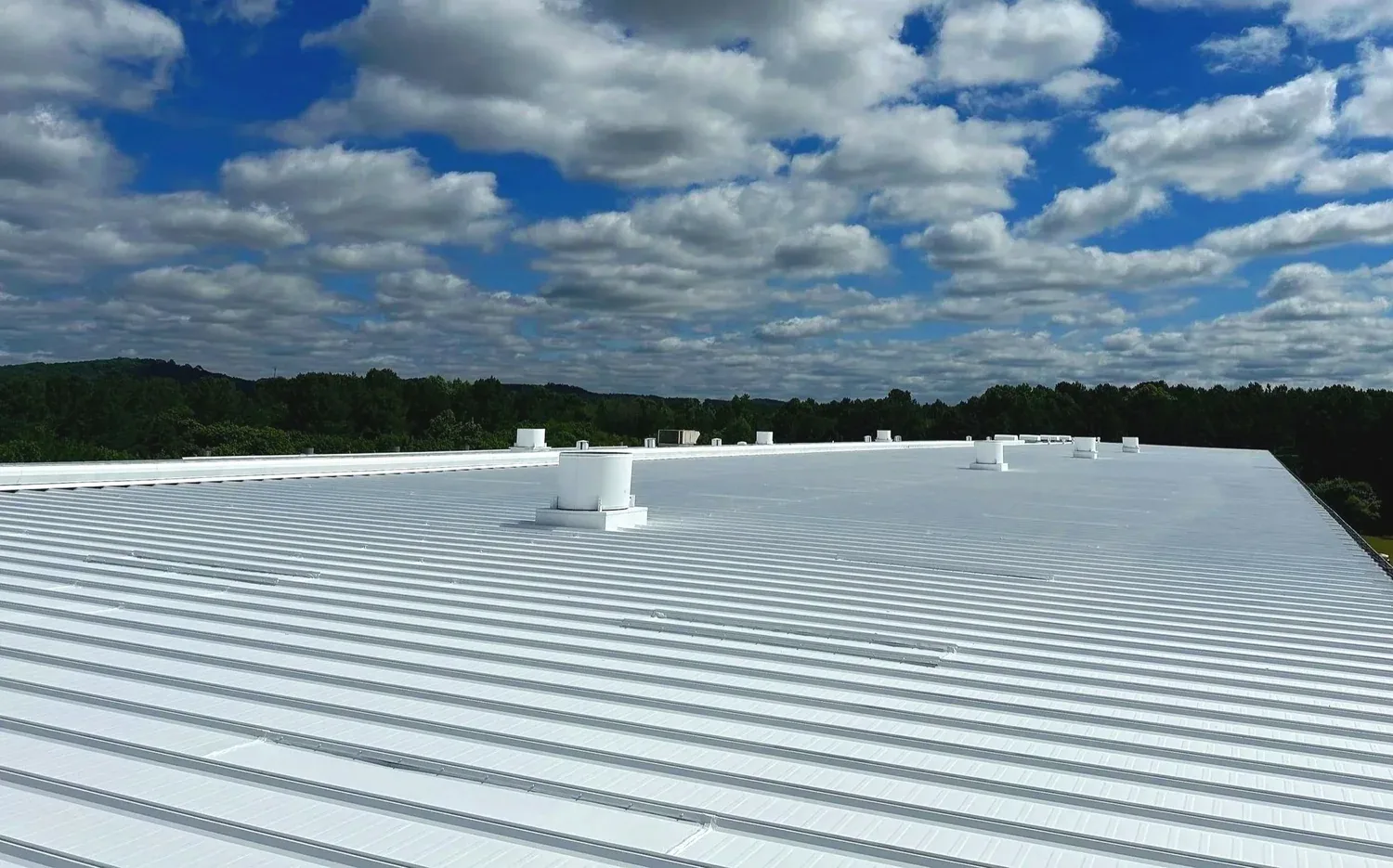 | Silicone Commercial Roof CoatingsRestore a suitable roof in Vancouver with a silicone coating system. We inspect moisture, adhesion, seams and drainage before recommending application. |
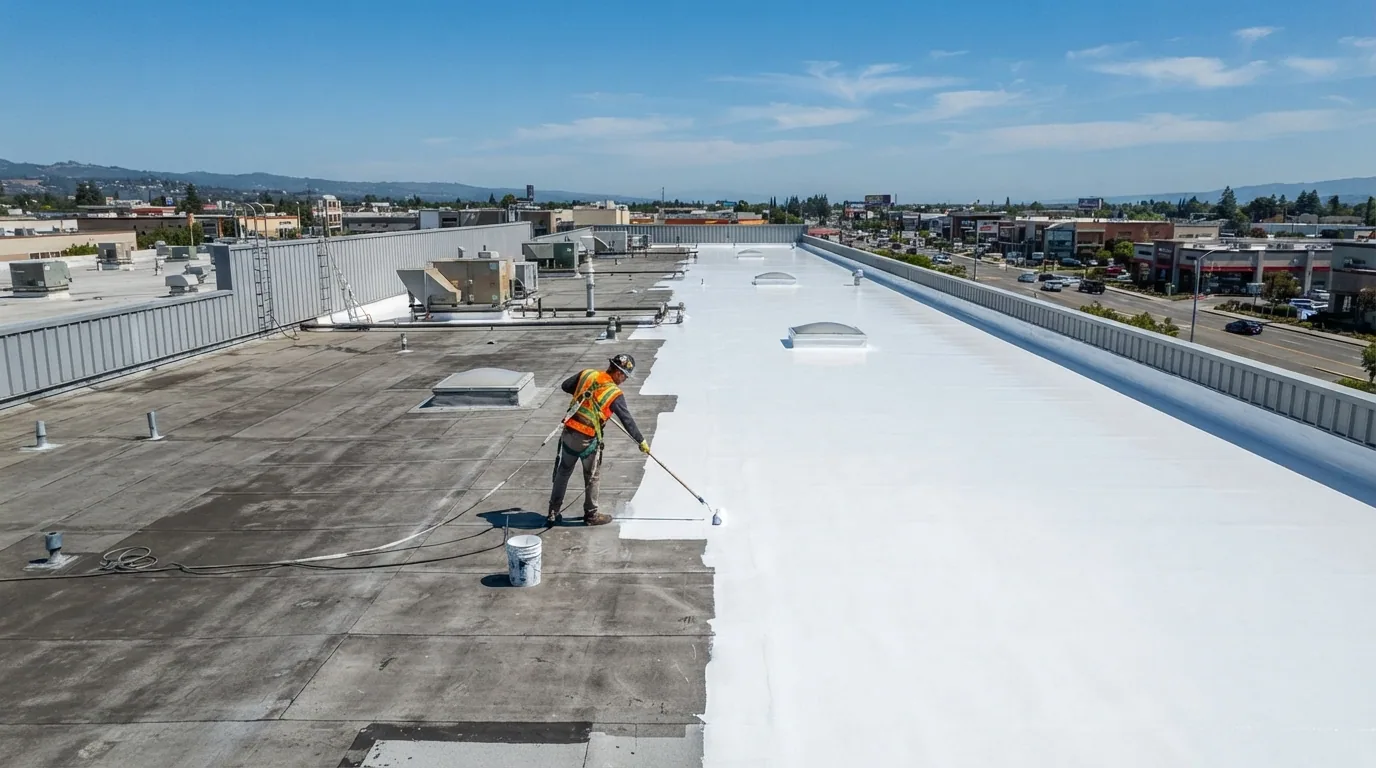 | Acrylic Commercial Roof CoatingsRestore a suitable commercial roof in Vancouver with an acrylic coating. We inspect moisture, surface preparation, drainage and details before application. |
Match the System to the Building
Other commercial roofs use layered asphalt or metal assemblies. Modified bitumen roofing and built-up roofing have distinct plies, surfacing and flashing details. Standing seam metal roofing depends on panels, seams and attachment, while metal roof retrofit may address an existing metal assembly without assuming a full tear-off is the only choice.
Coating and restoration systems depend on the existing roof condition and substrate. Silicone roof coatings and acrylic roof coatings require a sound surface and compatible preparation. Spray polyurethane foam roofing uses a sprayed foam layer with a protective coating. We inspect moisture, adhesion, transitions and drainage before recommending these options. That comparison can look different at a distribution building in Columbia Business Center than at a facility near the Port of Vancouver, where roof access, rooftop equipment and work sequencing affect the practical scope. We record those constraints alongside the assembly condition rather than treating a coating or membrane as a stand-alone answer.
Inspect the Assembly Before Specifying Work
Our assessment checks seams, flashings, penetrations, curbs, edges and drains. We look for open connections, movement, punctures, surface wear and prior repairs. If water is reported indoors, we trace the likely route from the affected room to the roof detail above and nearby. Where moisture under the system could change the work boundary, an additional survey or test opening may be useful.
The owner's options may include localized repair, recover, restoration or replacement. The right choice depends on roof layers, attachment, wet insulation, deck condition, code requirements and access. For a Vancouver address, the owner and design team should check local requirements against the proposed assembly and project scope. Our written recommendations distinguish observed conditions from items that need confirmation.
Vancouver's regional pattern includes repeated rain and winter wind. Drainage, edge details and installation conditions deserve attention, but a site inspection determines the condition of an individual roof. We document photos by roof area and coordinate around operations below, so the owner receives a practical scope rather than a material label without context.
Keep drainage in the system review
Water follows the roof plane, not the product label. Trace each section to its drain or scupper and check how curbs, penetrations and new layers affect the route. A coating cannot correct a blocked outlet, and a recover can raise transitions. Record those conditions before the assembly is selected.
Compare work against the same area
Use the same marked roof sections when comparing repair, recover and replacement. A focused repair can fit an isolated defect in a sound assembly. Wet insulation, weak attachment or repeated failures may call for broader testing or a replacement evaluation.
Commercial Roofing Questions
Can two buildings with the same membrane need different roof work?
Yes. Attachment, insulation, deck, flashing, access and moisture can differ even when the membrane type matches. We inspect each assembly and define scope by roof area.
Can two roofs with the same membrane need different work?
The membrane alone does not settle it. Attachment, substrate, drainage, edge details and moisture can differ. We inspect each assembly before selecting a repair.
When is a recover worth comparing with tear-off?
The existing roof must be dry, stable and suitable for another layer. We check transitions, attachment and project requirements before pricing it.
Does a coating fix standing water?
A coating cannot correct blocked drainage or poor slope. We identify the water path and any correction the roof needs first.
Identify Your Existing Roof System Send the property address, known roof material, building use and reported condition. We will review the assembly and explain which repair or renewal paths fit the evidence. Request a roof assessment or call 555-555-5555.