
Spray Polyurethane Foam Roofing in Vancouver, WA
Install or restore spray polyurethane foam roofing in Vancouver. We inspect adhesion, drainage, penetrations and protective coating before defining the scope. A foam roof with a worn coating around rooftop equipment can expose the insulation layer beneath. We inspect and maintain spray polyurethane foam roofing in Vancouver, WA by checking adhesion, surface condition, drainage and the protective coating. The Port of Camas-Washougal industrial park includes manufacturing and distribution buildings, where equipment access and work schedules vary by property. We review the actual foam and coating condition before recommending restoration or replacement. Spray polyurethane foam, or SPF, expands as it is applied and forms a continuous insulated layer across a prepared surface. The foam is protected by a coating that shields it from weather and sunlight. We inspect for cracks, punctures, exposed foam, loose coating and water that remains around penetrations. A roof inspection documents the visible condition. If moisture below the coating is suspected, an infrared moisture survey can help select areas for core checks. Check Foam and Protective CoatingWe look for coating wear, cracks, blisters, exposed foam, delamination and damage from service traffic. The underlying foam needs to remain attached and shaped to direct water toward drains. A coating can hide a puncture or poor prior repair, so we inspect transitions at curbs, pipes, drains and roof edges. If the foam is soft, wet or detached, another coat will not restore the base. We mark those areas for repair or further testing. Vancouver records occasional 100°F summer highs, so heat matters when reviewing coating wear and selecting an application window. Its wet cool season and winter rain also make drainage important on SPF roofs. Ponding can keep a coating wet and work at a crack or low area. We follow water toward drains and scuppers, checking for debris, damaged outlets and depressions in the foam. A blocked outlet may be cleared, while a low area may need reshaping. The roof's geometry and equipment layout help determine whether the drainage route can be corrected without rebuilding a larger section. SPF has few sheet seams, but it still has many transitions. The foam must connect cleanly around penetrations and equipment, and its coating must remain continuous at those details. We inspect flashings, curbs, metal edges and areas where repairs have been layered over older coatings. Different products may not bond to each other. Before a restoration, we identify the existing coating type where possible and test compatibility on the prepared surface. | 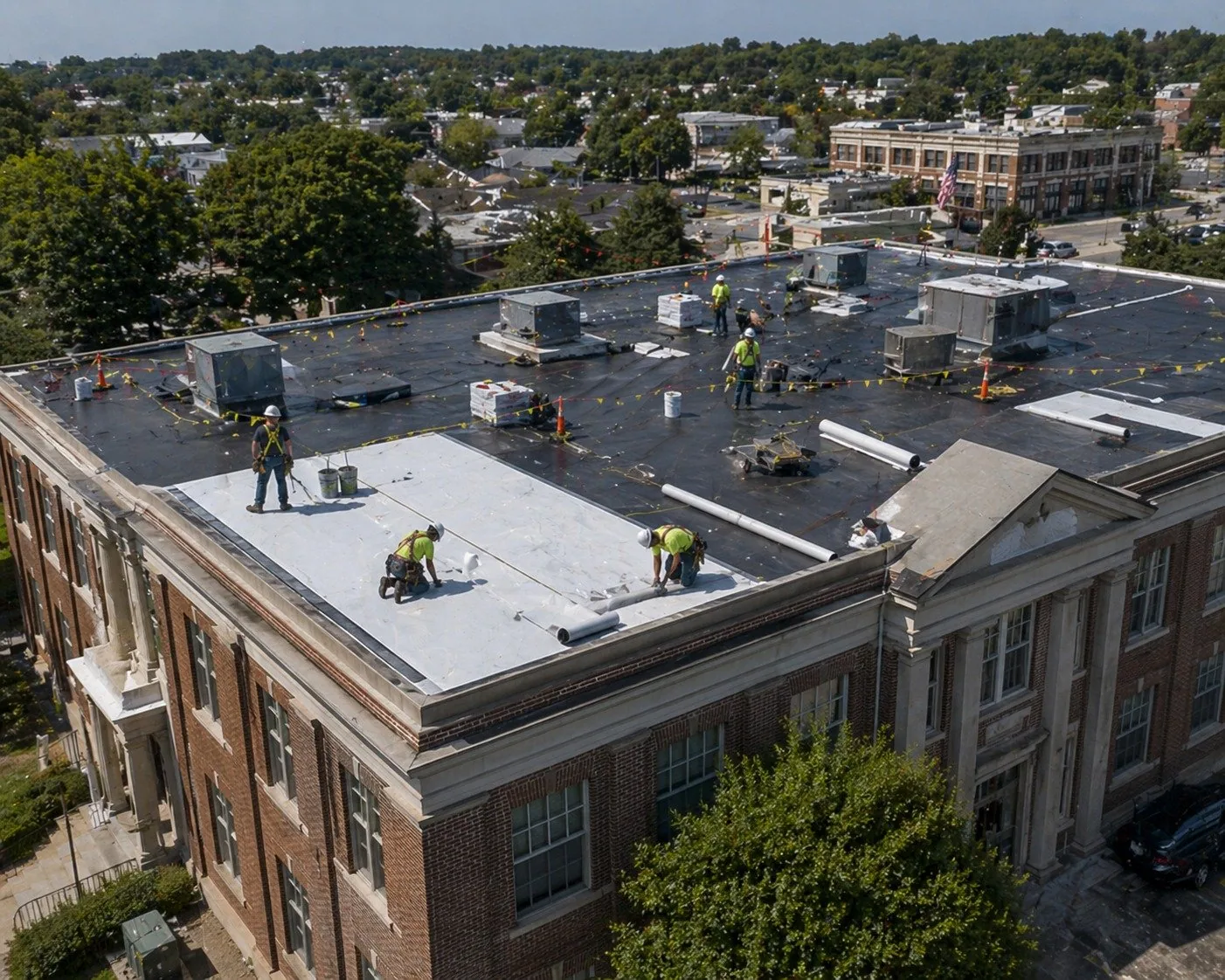 Review a Spray Foam Roof Request a roof assessment or call 555-555-5555. 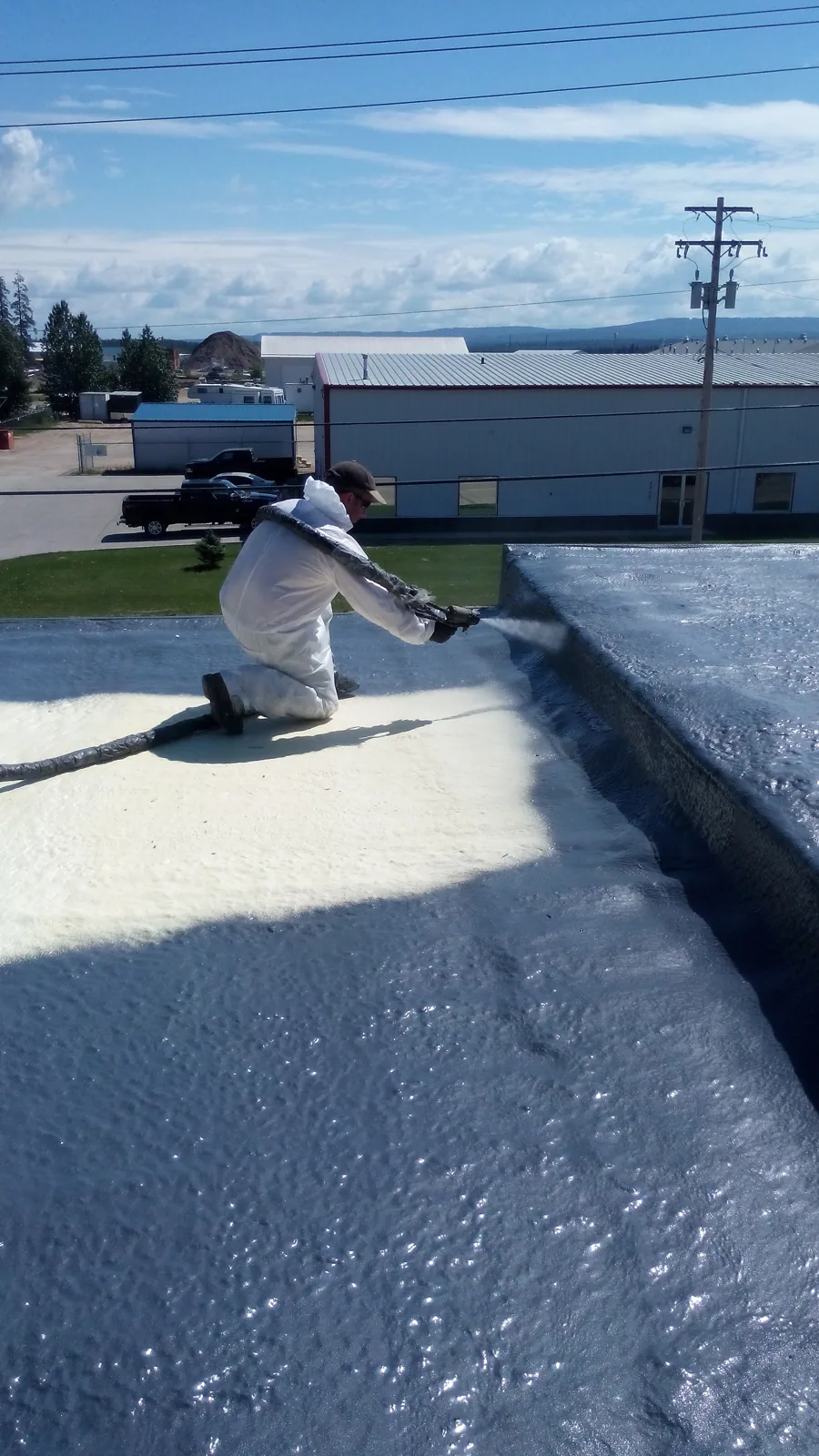 |
Decide Between Repair and Recoat
A localized puncture can be repaired with compatible foam and coating when the surrounding layer is dry and attached. A worn coating across a sound foam surface may be a candidate for recoat after cleaning and preparation. If foam is wet or detached, the damaged area needs removal and replacement before a protective coat is applied. We map those conditions and separate surface restoration from assembly repair.
Silicone and acrylic coatings respond differently to standing water and weather exposure. A silicone coating system may be evaluated where the roof and water conditions suit it. An acrylic coating may fit another surface or drainage profile. We identify the existing coating and consider slope, water exposure, adhesion, foot traffic and maintenance before selecting a material. The coating type should match the roof and the building's needs.
When foam or the underlying deck has failed across broad areas, another roof assembly may be more appropriate. An EPDM membrane system or a new SPF assembly can be considered after inspection. Replacement scope depends on removal limits, insulation condition, equipment clearances and drainage. We compare the options with a roof replacement assessment when restoration cannot address the observed condition.
Prepare for Application
SPF installation and recoating require a dry, prepared surface and weather conditions that support application and cure. Wind can affect spray control, and rain or dew can interrupt work. We review the forecast and divide the roof into areas that can be completed and protected within the work period. The plan identifies masking and protection needs near air intakes, equipment and adjacent surfaces.
Occupied buildings need coordination before spray work. We discuss ventilation intakes, sensitive processes, tenant activity and access below the roof. At the Port of Camas-Washougal industrial park, manufacturing and distribution uses can require staging around deliveries or production schedules. The facility contact identifies restricted areas and service routes. We explain where application will occur and how long the area needs to remain clear.
Cost and duration depend on coating condition, foam repair area, surface preparation, number of penetrations, roof height, access and the amount of masking or protection. If core checks reveal wet foam or insulation, removal and replacement change the scope. We document those findings and provide the added work for review. A recoat proposal should state the coating material, preparation, repairs, drainage corrections and areas excluded from the work.
Keep the Foam Protected
Closeout photographs show repaired foam, prepared details, coating coverage and drains. We map patches, areas recoated and any locations that remain for monitoring. The record notes the coating type when known and the preparation used. That information helps future maintenance teams select compatible materials rather than adding an unknown coating over an existing layer.
SPF roofs depend on the coating remaining intact. Service work should use designated paths and avoid tools or equipment that can puncture the surface. A maintenance visit can inspect coating wear, penetrations, drains and repairs. At the Port of Camas-Washougal industrial park, roof access planning can be kept with each building's maintenance record so operational activity does not obscure repair history.
Commercial Roofing Questions
Can you recoat an SPF roof without removing the foam?
A recoat can be considered if the foam remains dry, firmly attached and properly shaped for drainage. We inspect coating adhesion, cracks, penetrations and prior repairs, then prepare the surface and verify material compatibility. Wet or detached foam needs removal and replacement before it is covered.
What does the coating do on a spray foam roof?
It protects the foam from weather, sunlight and surface wear. The coating must remain continuous at drains, curbs and penetrations. We inspect for thin or separated areas and record where the protective layer needs repair or renewal.
Can ponding water damage an SPF roof?
Standing water can keep a coating wet and expose cracks or low areas. We check outlets, foam shape and the drainage path to identify whether the cause is debris, an outlet defect or a depression. Clearing a drain may resolve a blockage, while a low area may need the foam reshaped.
How do you choose between silicone and acrylic coating?
We review the existing coating, roof slope, water exposure, surface preparation and building use. Silicone and acrylic systems have different application and water exposure characteristics. The roof must be dry and compatible with the selected coating, so we inspect and test the surface before setting a restoration scope.
Review a Spray Foam Roof Send the Vancouver property address, building use, known foam or coating details and reported condition. We will inspect the protective surface, drainage and penetrations, then outline repair or recoat options. Request a roof assessment or call 555-555-5555.