Acrylic Commercial Roof Coatings in Vancouver, WA
Restore a suitable commercial roof in Vancouver with an acrylic coating. We inspect moisture, surface preparation, drainage and details before application. An acrylic coating that stops short of a curb can leave the old roof exposed at the point where water enters. We assess commercial acrylic roof coatings in Vancouver, WA by reviewing the substrate, preparation, drainage and detail coverage before application. The Port of Vancouver industrial waterfront supports food processing, warehousing and shipping. Building use and roof operations can affect access, material staging and the work area. We document the visible roof condition and identify repairs that need to happen before coating. Acrylic is a liquid-applied coating used to protect a suitable existing roof surface. It needs a clean, sound substrate and continuous coverage around seams, penetrations and edges. We inspect for loose coating, open membrane laps, wet insulation, ponding and damaged flashing. A roof inspection can establish visible condition. When a coating decision depends on concealed moisture, an infrared survey with core cuts can guide a targeted opening; the sample confirms only that roof location. Inspect Before RecoatingWe check whether the existing roof can carry another coating layer. Loose membrane, failing seams, wet insulation, damaged deck or broad coating separation must be addressed first. The surface may need cleaning, repairs and a compatibility test before a larger application proceeds. We identify areas that need removal and mark conditions that remain uncertain. If the old coating cannot provide a sound bond, a recoat will not solve the underlying problem. Vancouver's climate brings wet cool months and warmer, drier summers. Application requires a dry roof surface and conditions that allow the coating to cure as intended. Rain, dew, wind and temperature can shift the work window. Vancouver also records occasional 100°F summer highs, which can change the surface temperature and application timing. We review the material requirements and forecast, then sequence work in areas that can be prepared and protected during the available period. Drainage is a key suitability check. Acrylic coatings can be affected by prolonged standing water, so we inspect drains, scuppers and low areas before recommending them. A blocked outlet can be cleared, but a roof depression or low drain may need a separate correction. We mark where water collects and check whether a proposed coating would leave a persistent pool. A coating selection must fit the roof's slope and water exposure. | 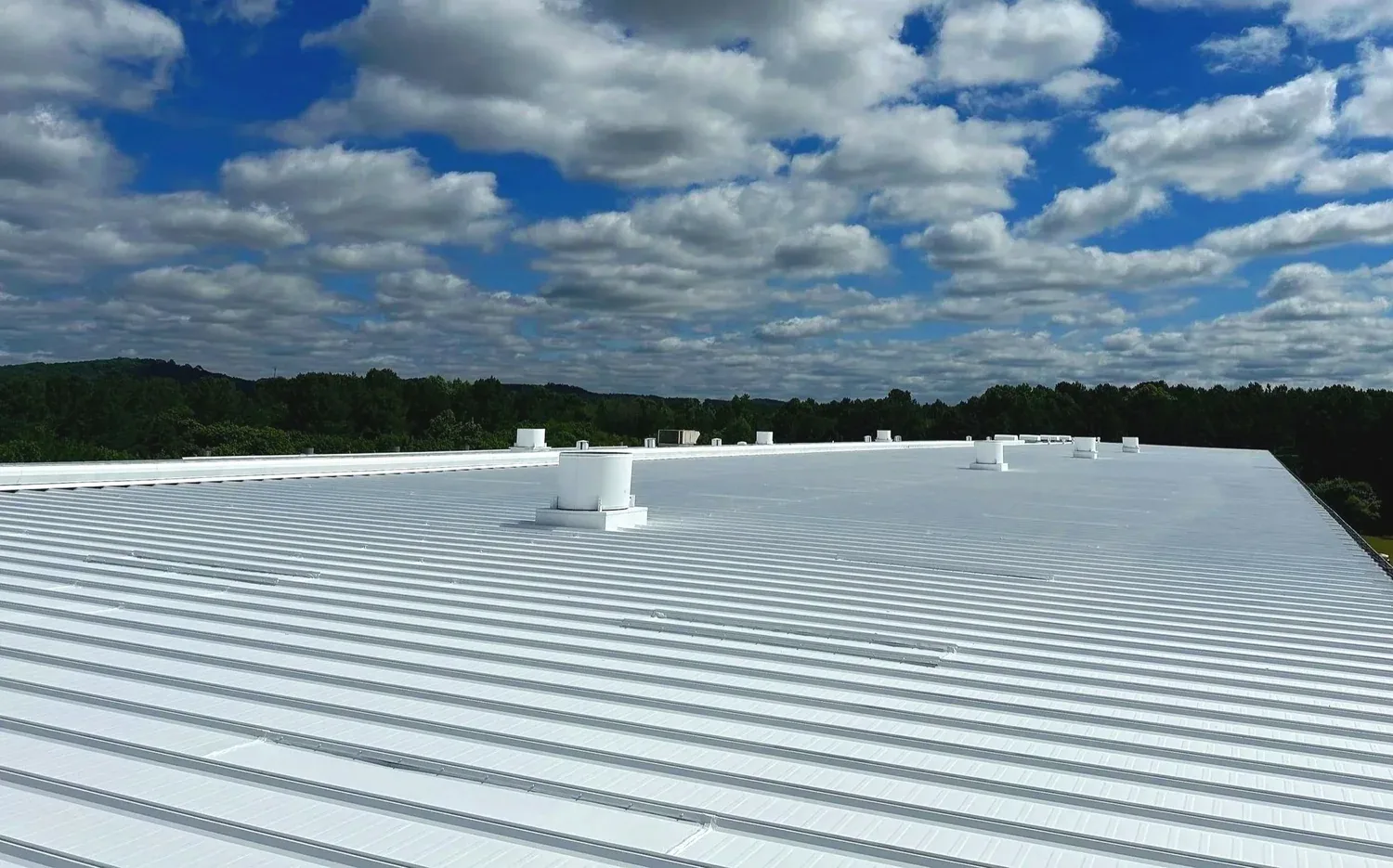 Assess an Acrylic Roof Coating Request a roof assessment or call 555-555-5555. 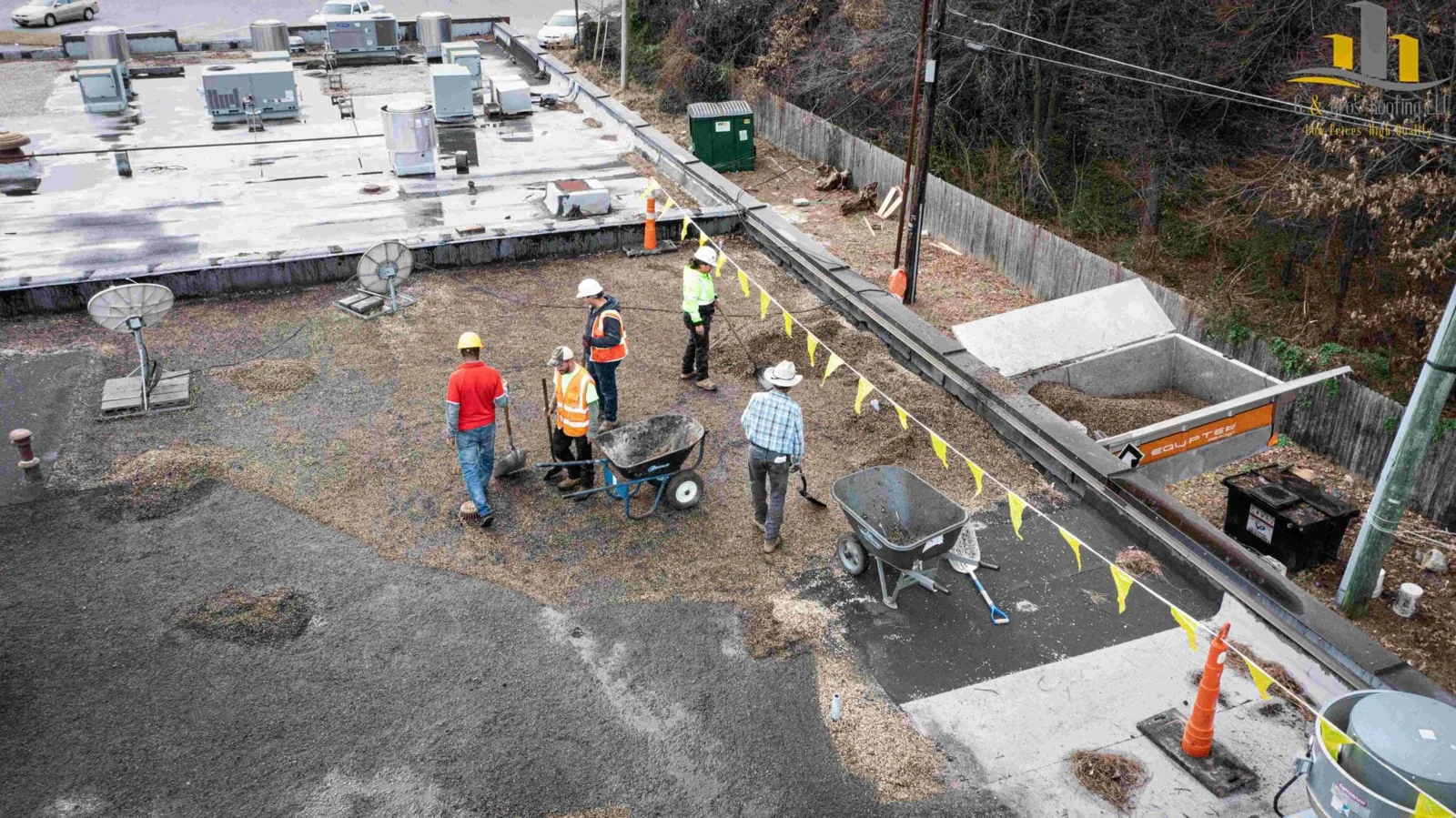 |
Compare Coating Choices
Acrylic and silicone coatings have different water exposure characteristics and application requirements. For a roof with recurring water at low areas, a silicone coating system may deserve comparison. Spray foam roofs use a protective top layer over the foam; an SPF roof assembly has its own surface preparation and repair details. We examine existing material, slope, drains, foot traffic and service activity before selecting a coating.
Restoration can include cleaning, repair of seams and flashing, reinforcement at selected transitions, primer where needed and coating application at the specified coverage. The scope should identify material, preparation, layers, coverage and areas excluded. It should also state how drains, air intakes, equipment and adjacent surfaces will be protected. If a coating cannot address the wet or unstable parts of the assembly, we describe those separately rather than applying material over a defect.
A coating can preserve a sound roof surface, but it does not replace saturated insulation or correct deck failure. A recover option or full replacement may be more appropriate when the existing layers are not suitable. For an acrylic restoration, confirm whether the proposed coating build-up changes any regulated roof component before setting the preparation and application scope. We consider code and insulation requirements during scope development.
Prepare the Roof for Application
Preparation starts with removing loose coating, dirt and contaminants that can interfere with adhesion. We repair open seams, flashing and penetrations, then allow the surface to dry. A small test area can confirm that the selected coating bonds to the existing material. We mask equipment and protect drains, skylights, walkways and nearby walls. The coating must cover the planned area without blocking the outlet or hiding an unresolved opening.
The application is divided into roof sections that can be completed within the weather window. We check coverage around corners, curbs and edge details as work proceeds. If the roof is occupied or has active production, we coordinate roof access, ventilation intakes and work hours with the facility contact. At the Port, freight operations and equipment routes can affect delivery and staging. We identify those constraints before the coating materials arrive.
Cost and timing depend on surface preparation, repair extent, roof area, number of details, access, material coverage and the weather window. If testing shows poor adhesion or a core cut confirms wet insulation, those findings change the scope. We document the condition and provide a revised repair or removal plan for review. The owner should know which areas will be coated and what is left for later work.
Maintain the Coated Surface
After application, photographs record coverage, repaired details, drain protection and the completed transitions. We map the coated area and note the material used, surface preparation and any defects left for monitoring. Those records help facilities staff determine whether later work is a coating repair or an underlying membrane issue.
Foot traffic, rooftop service and debris can abrade the coating or leave a puncture. A maintenance visit can check drains, walk paths, edges and equipment curbs. At the Port of Vancouver industrial waterfront, roof access can be coordinated with working tenant operations. Keep the coating map with prior roof reports and photos so each inspection can compare changes against the surface that was actually applied. Columbia Business Center has manufacturing, distribution and warehouse properties, so label each roof record by building.
Commercial Roofing Questions
Can acrylic coating be applied over an old membrane?
Acrylic can be applied when the membrane is sound, clean, dry and compatible with the coating. We inspect attachment, seams, flashing and insulation first, then prepare or test the surface as needed. Loose material and wet areas need correction before coating so the new layer has a suitable base.
Is acrylic coating a good choice where water ponds?
Persistent ponding can shorten coating performance, so slope and drainage need review before selection. We inspect low areas, outlets and overflow routes. If water remains because of a blocked drain, cleaning may help. A roof depression or outlet-height issue may require a separate correction or another coating approach.
How does Vancouver weather affect acrylic application?
The surface needs to be dry and the coating needs conditions suitable for cure. Rain, dew, wind and hot roof temperatures can change the work window. We review the forecast and product requirements, then apply in sections that can be protected before weather interrupts the job.
What should our facility keep after coating work?
Keep the product and preparation records, marked application areas, photos of seams and drains, and any excluded or monitored locations. Record later rooftop service so a new puncture can be tied to its area. We can revisit those points during maintenance and document changes in the coating or underlying details.
Assess an Acrylic Roof Coating Send the Vancouver property address, building use, existing roof and coating if known, and any leak or drainage concern. We will inspect the surface and define preparation, repair and application needs. Request a roof assessment or call 555-555-5555.