
Modified Bitumen Commercial Roofing in Vancouver, WA
Inspect, repair or replace modified bitumen roofing in Vancouver. We check sheet laps, surfacing, flashing, drainage and layers before setting the work scope. A split at a modified bitumen lap can admit water while the mineral surface nearby still appears sound. We inspect modified bitumen roofs in Vancouver, WA by tracing seams, flashing, patches and drainage before deciding how to repair or replace the assembly. The Port of Vancouver supports warehousing, food processing, metals and shipping. Those working uses can affect roof access and scheduling, while the roof's actual layers and details determine the repair method. Modified bitumen is a reinforced asphalt sheet modified to improve flexibility. Systems may use SBS or APP compounds and may be installed with different attachment methods and surface finishes. We identify the apparent system and inspect its laps, end joints, base flashing and roof edge. A commercial roof inspection records the visible condition. If an interior leak is active, a leak investigation traces it to the roof opening. Read the Sheet and SurfaceWe look for open laps, ridges, splits, blistering, exposed reinforcement, loose surfacing and previous patches. At a parapet or curb, base flashing must connect to the field sheet and remain protected at the top. Patches should be fully bonded and shaped so their edges do not collect water. We check around drains and penetrations for cracks or separation. A defect may sit beneath surface granules or at an overlap, so we inspect the transition rather than relying on a roof-wide glance. Vancouver's wet cool season brings repeated rain to roof seams and flashing. Winter wind can test exposed edges, while summer warmth can soften asphalt-based materials and change how surfaces move. We consider the roof's current condition and recent repair history, then record where water may enter. A surface blister does not automatically mean a leak, but it can signal a bond or moisture issue worth checking. If insulation condition is unclear, we identify where a test opening may be needed. Drainage remains important on low-slope modified bitumen roofs. We follow water toward interior drains, scuppers or gutters and note blocked outlets or persistent low spots. Water held at a lap can stress an already open joint. A low area may need tapered insulation or a separate slope correction, not just another layer of asphalt. Our drain and scupper inspection can examine the outlet detail and its membrane connection. | 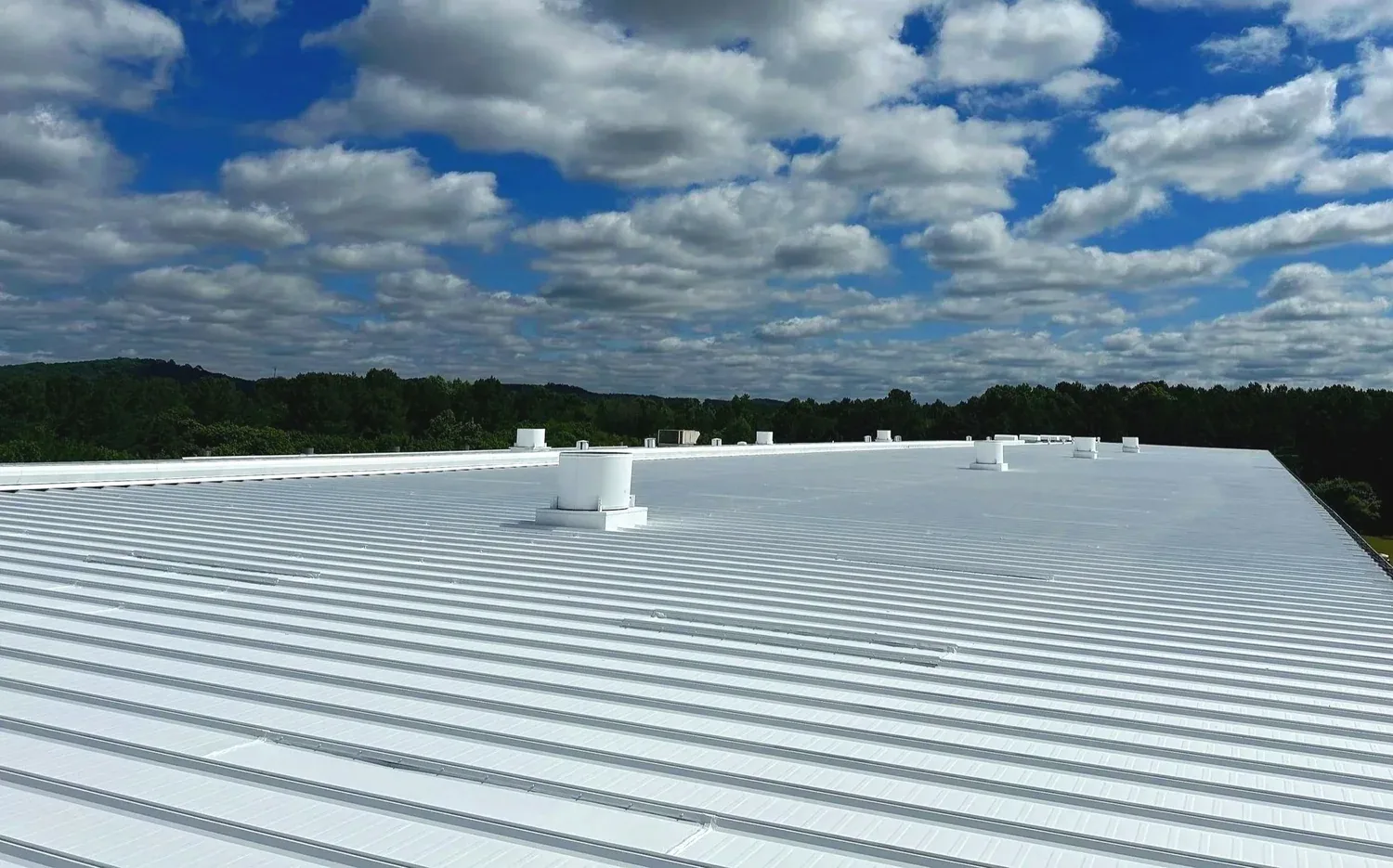 Assess a Modified Bitumen Roof Request a roof assessment or call 555-555-5555. 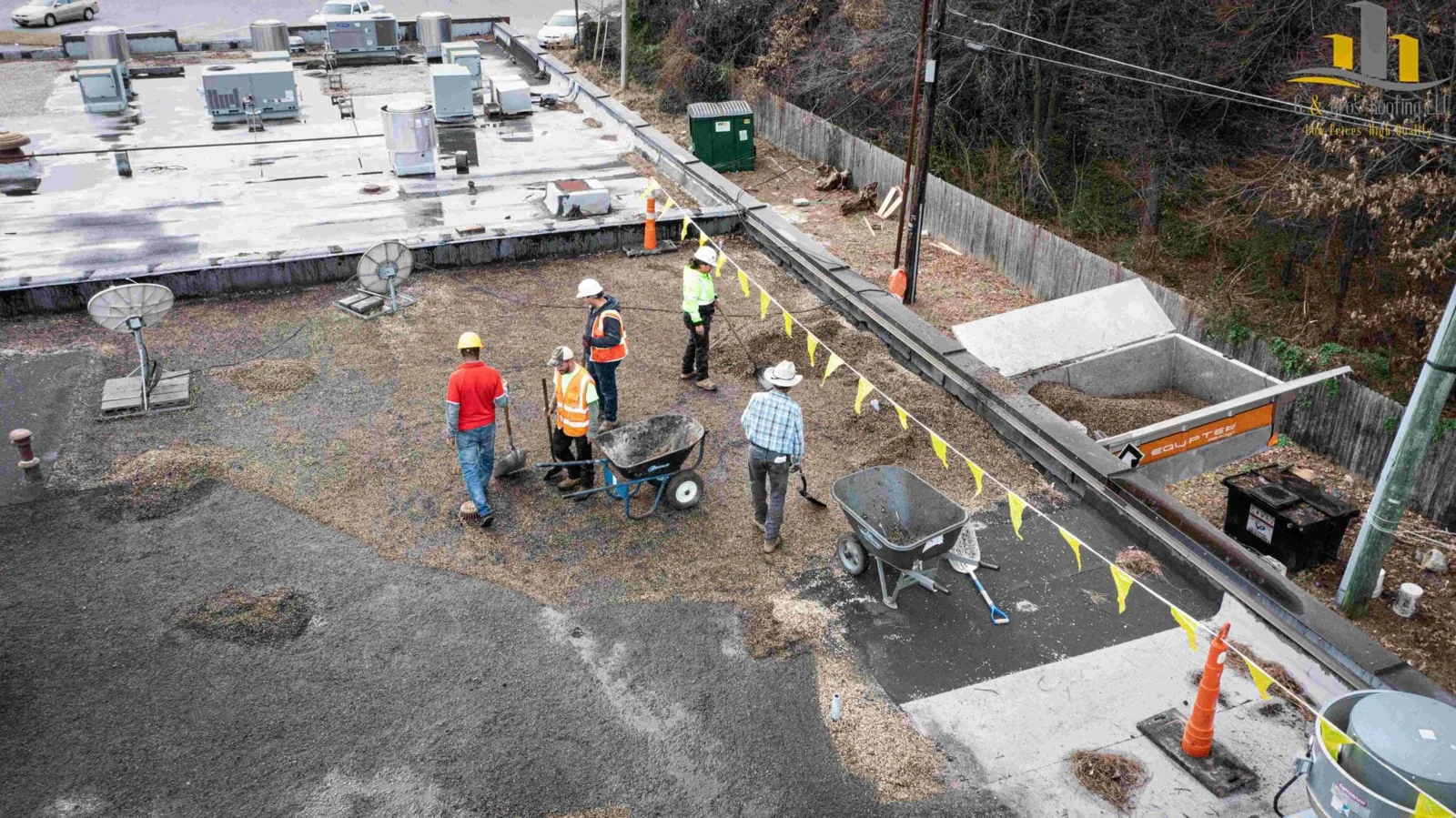 |
Choose the Sheet System
SBS-modified sheets are designed for flexibility, while APP-modified sheets have different heat-related characteristics. Surface finish, reinforcement, number of plies and attachment method shape repair and installation. We review the existing materials before selecting a compatible product. Torch application, hot asphalt, cold adhesive and self-adhered methods each require conditions and safeguards suited to the building. We specify the method based on assembly and site requirements rather than treating all modified bitumen as one product.
Modified bitumen can be used in multi-ply low-slope systems, sometimes with a base sheet and cap sheet. Built-up roofing also uses multiple asphalt and reinforcement plies but has a different construction sequence. Compare the details with built-up roofing and EPDM membrane before selecting a replacement. The deck, roof height, equipment, odor sensitivity and fire-control requirements can affect installation planning.
A recover may be considered only when the existing roof is dry, stable and allowed under project requirements. Widespread wet insulation, loose layers or damaged deck should be addressed before a new sheet covers them. A moisture survey with core cuts can check suspect zones. Modified bitumen replacement decisions should account for insulation and tear-off scope; confirm which Vancouver requirements apply before the owner commits to the assembly.
Plan Material and Site Access
Modified bitumen work depends on access for rolls, kettles or other installation equipment, safe staging and protection of nearby operations. We coordinate with the facility contact about loading areas, roof access and any processes sensitive to odor, heat or noise. At Columbia Business Center, rail and barge access and outdoor storage sit alongside manufacturing and distribution uses. We plan deliveries and work zones for the actual property layout without assuming each building operates the same way.
Vancouver's winter rain can limit the time available to prepare and close each roof section. We plan daily dry-in and keep exposed areas within the work that can be completed safely. If a torch-applied method is specified, the work plan needs the appropriate fire-watch and hot-work controls for the building. Other methods have their own temperature, moisture and adhesive requirements. We explain the chosen application sequence and how the roof is protected at the end of each shift.
Cost and timing reflect sheet type, number of plies, surface removal, insulation and deck conditions, access equipment and the repair details required. Odor controls, occupied rooms and equipment shutdowns can also affect scheduling. We separate known work from concealed conditions that may appear after removal. If the roof needs a larger scope than the initial seam repair, the facility contact receives the finding and revised work description before the area expands.
Preserve the Roof History
Closeout photographs show laps, end joints, base flashing, drains and perimeter terminations. We mark the repaired areas and record which sheet type or method was used when known. Any remaining low spot, monitored blister or inaccessible detail stays in the report. This gives the next inspection a useful map rather than a general statement that the roof was repaired.
Service traffic and debris can damage a surfaced sheet or open a patch edge. A maintenance plan can check drains, penetrations and prior repairs before the rainy season. At the Port of Vancouver industrial waterfront, access windows may need to account for shipping and warehouse activity. Roof records should stay with the building so later repair decisions can compare the visible condition and material history.
Commercial Roofing Questions
How can we tell if a modified bitumen lap is open?
We inspect the overlap for separation, cracks, exposed reinforcement, loose granules or a lifted edge. Water marks below can help direct the roof walk, but the opening may be elsewhere along the lap. We photograph the suspected failure and check nearby flashing and drainage before setting a repair boundary.
Are SBS and APP modified bitumen installed the same way?
They are different sheet formulations and do not always use the same application method. The roof assembly, product instructions, substrate and site conditions determine whether heat, asphalt, adhesive or a self-adhered method is appropriate. We identify the existing material and specify a compatible installation approach.
Can a new cap sheet go over the existing roof?
A recover can be considered only when the existing assembly is sound, dry enough and permitted for the project. Wet insulation, loose plies or deck concerns need investigation before covering. We inspect the roof and use selective openings when needed to establish whether a new layer has a stable base.
How do you plan hot-work controls at an occupied building?
We coordinate the application method, work zone, fire-watch needs, access and protection with the facility contact. If heat or odor could affect an occupied area or process, we review another suitable method or schedule. The plan follows the selected material and the building's operating conditions.
Assess a Modified Bitumen Roof Send the Vancouver property address, building use, known roof layers and reported condition. We will inspect laps, flashing and drainage, then define repair, recover or replacement options for the assembly. Request a roof assessment or call 555-555-5555.