EPDM Commercial Roofing in Vancouver, WA
Inspect, repair or replace EPDM commercial roofing in Vancouver. We check adhered seams, membrane attachment, flashing and wet insulation before setting scope. A lifted EPDM seam near a roof drain can let rain pass under the membrane before a leak appears inside. We inspect, repair and install EPDM commercial roofs in Vancouver, WA by checking the sheet, seam bonds, flashing and drainage together. The Vancouver VA campus contains clinical, administrative, maintenance and logistics buildings, so roof access and operations depend on the particular structure. We record where the membrane is loose or damaged and check whether wet insulation or deck conditions change the repair. Columbia Business Center combines distribution and manufacturing uses, so we label roof findings by building rather than blending separate assemblies. EPDM is a flexible synthetic rubber membrane used on low-slope roofs. Sheets are joined with compatible seam tape or adhesive, and details are flashed with materials suited to the system. We inspect the lap edge, corner patches, pipe boots, curbs and roof perimeter. A commercial roof inspection documents visible condition, while a leak investigation traces water to its entry point. Choose the Sheet AssemblyEPDM can be loose-laid, mechanically fastened or adhered as part of an assembly. The deck, insulation, cover board, building height, wind exposure and roof access help determine which method fits. An adhered membrane depends on compatible bonding across a prepared surface. A mechanically attached assembly has fastener rows and perimeter details that need inspection. We review those layers and transitions before choosing an installation or replacement scope. Seam construction differs from thermoplastic membranes. EPDM does not use hot-air welding for field seams. The surfaces must be clean and the seam tape or adhesive must be applied correctly, with pressure across the bonded lap. At penetrations and corners, prefabricated or field-formed flashing needs a secure connection to the field membrane. A repair method from a TPO roof cannot simply be transferred to EPDM. Compare the assembly with TPO membrane roofing and PVC systems when selecting a new roof. Vancouver's wet cool season makes well-bonded seams and clear drainage important. Winter wind can affect edges and attachment, while occasional summer heat changes surface temperatures and movement. We check whether standing water remains near a lap or drain and whether a membrane patch has opened at its edge. A surface observation does not confirm moisture below the sheet. Where insulation condition affects the decision, an infrared survey and core cuts can test selected areas. | 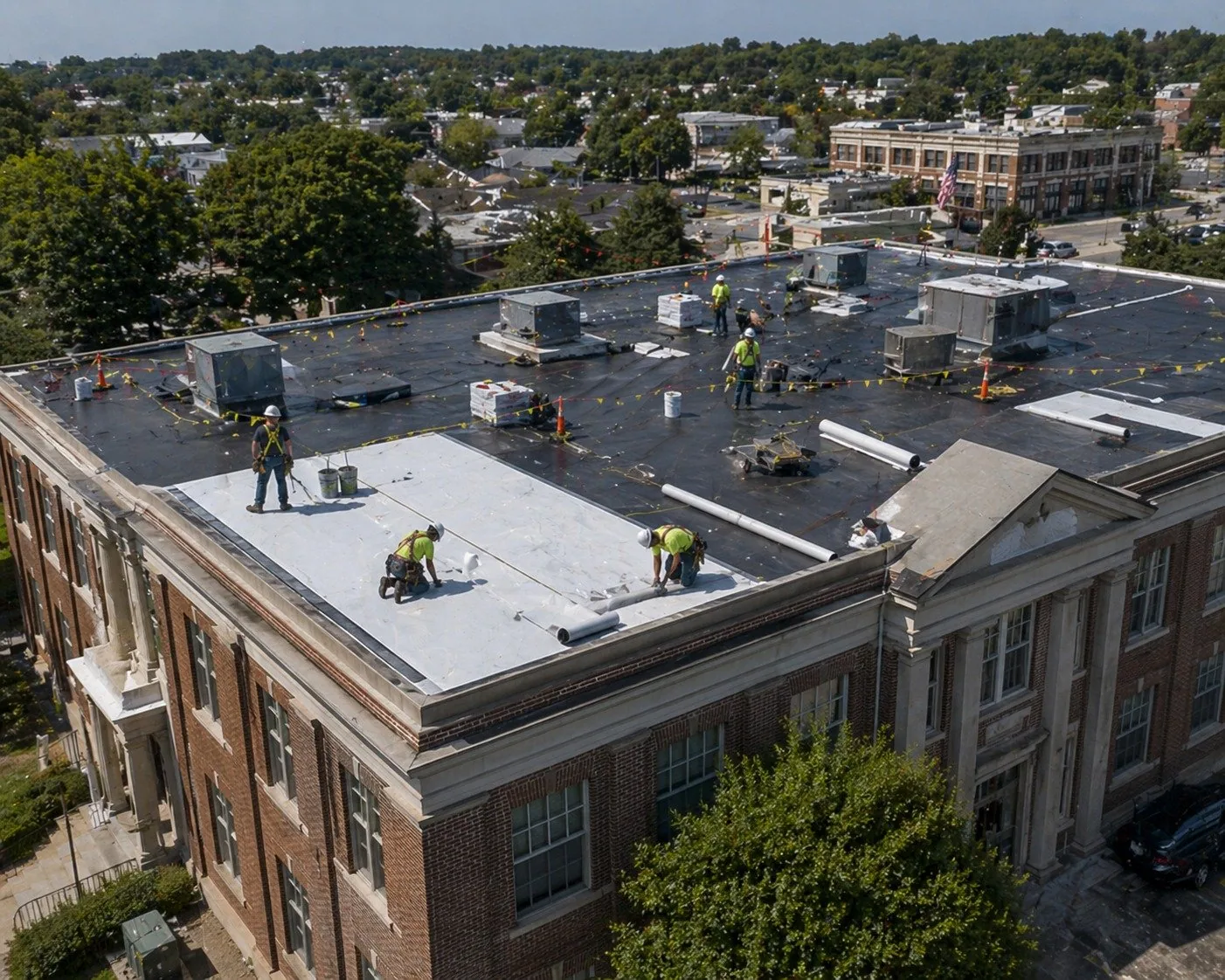 Review an EPDM Roof Request a roof assessment or call 555-555-5555. 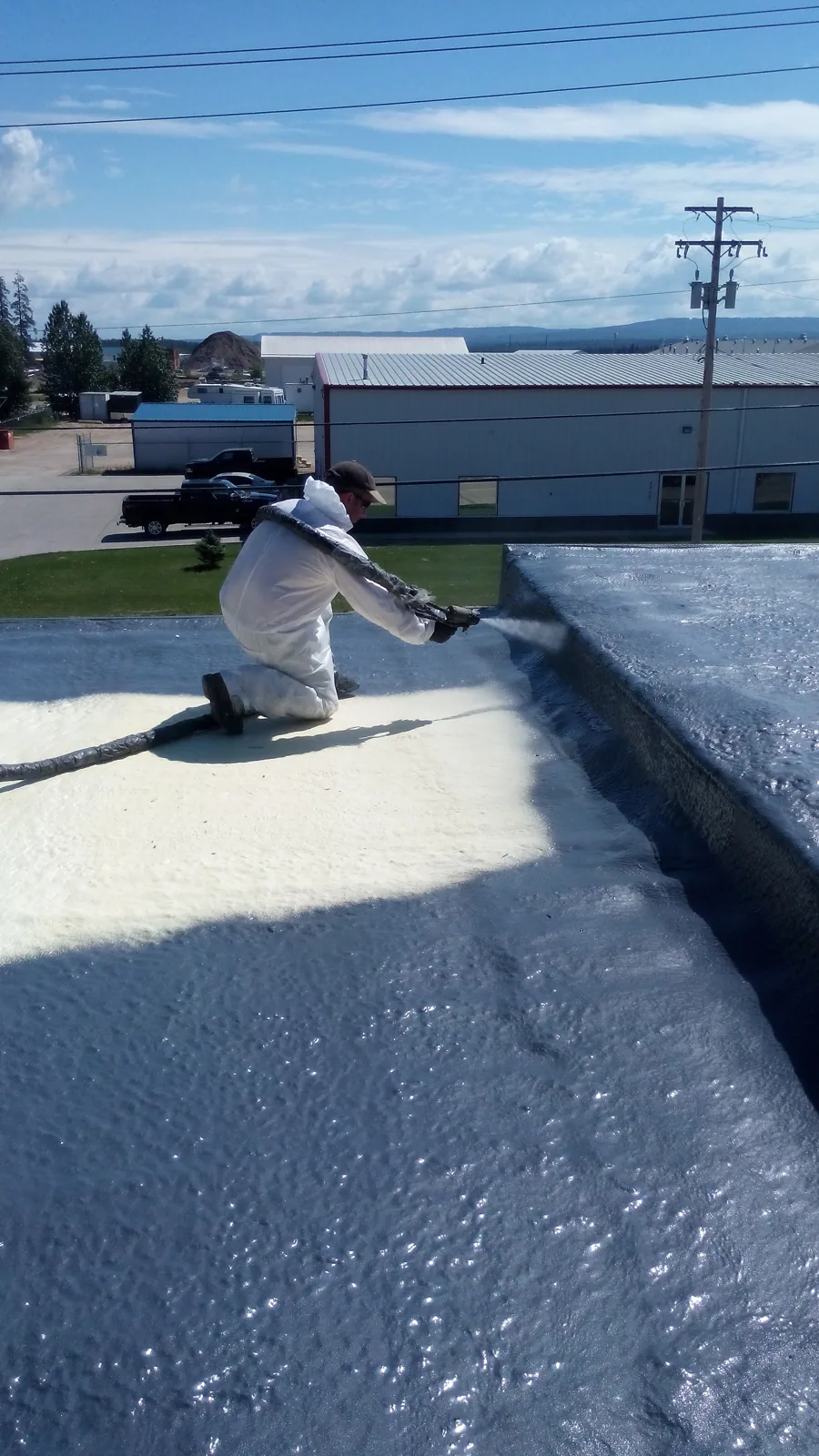 |
Follow Seams and Flashings
We examine laps for open edges, wrinkles, contamination, fishmouths and signs that tape or adhesive has released. Corners and T-joints need careful review because overlapping material can create a small pocket for water. At parapets, we check the membrane termination and any metal counterflashing. Around rooftop units, pipe supports and vents, flashing must rise above the roof surface and connect to the field sheet without exposing a path beneath it.
The roof edge deserves a separate check. Wind can lift unsecured membrane or metal, particularly where the termination is exposed. We review fasteners or adhesive where accessible and note any looseness across the perimeter. If the sheet has pulled away, we determine whether the cause appears limited to one detail or extends across an attachment zone. A wind damage assessment can document lifted edges and related membrane movement.
EPDM may be black or white, and its surface appearance alone does not establish age or remaining serviceability. We consider shrinkage, surface cracking, seam condition, previous patches and signs of water entry. Vancouver receives winter rain, so drains and scuppers should remain open and flashing should direct water toward them. We mark areas that need repair or moisture testing and identify any roof section that could not be inspected directly.
Prepare a Compatible Repair
EPDM repairs begin with a clean surface and material that matches the membrane and detail. We remove loose or contaminated material, prepare the surface and install compatible primer, tape, adhesive or flashing as the repair requires. A patch extends onto sound EPDM and is rolled to establish the bond. At a pipe or curb, the repair has to connect the field membrane with a flashing detail that will shed water. A smear of generic sealant does not replace a failed seam.
If water has entered the assembly, wet insulation may need removal before the membrane is closed. We identify the observed boundary and use selected openings when necessary to confirm the layers. For a localized tear with dry, sound material around it, a patch may address the issue. Multiple released seams, shrinkage or broad wet areas can point to a larger scope. We compare planned repair work with a replacement assessment using the inspection findings.
Repair timing depends on surface dryness, temperature, access and the type of seam material. Rain or dew can delay bonding. We coordinate with the building contact if equipment, patient services or loading operations affect access below the roof. For an active opening, temporary protection can be installed when conditions allow, then the permanent EPDM repair can proceed when the surface is prepared.
Track the EPDM Details
Closeout photographs show the completed seam, patch, flashing and drain transitions. We mark each roof location and state whether wet insulation or concealed material remains for follow-up. The record should identify the EPDM system and repair materials where known, so future work can use compatible products. For campus properties, separate building labels prevent repair notes from drifting between roofs.
At the Vancouver VA campus, the mix of patient-care, maintenance and logistics buildings makes access coordination part of inspection planning. A maintenance visit can revisit seams, penetrations and drainage, then compare current photos with prior repairs. Keep those reports in the building roof file so a later leak investigation starts with a known location and visible history.
Commercial Roofing Questions
Which seam method fits this EPDM assembly?
Most field seams use compatible primer and seam tape or adhesive rather than hot-air welding. We check that the surfaces are clean, the lap is pressed firmly and the edge remains closed. The repair method depends on membrane condition and prior materials, so we identify the system before applying a patch.
Can a loose EPDM sheet be reattached?
A limited loose area may be secured when the substrate and surrounding membrane remain sound. We check whether the movement comes from a failed termination, loose attachment or broader shrinkage. If several areas have pulled back or insulation is wet, the scope may need to address more than the loose edge.
Will an EPDM patch stop a leak around a roof curb?
It can when the water entry is at the membrane-to-curb transition and the curb is stable. We remove failed flashing, prepare the EPDM and connect new material to the field sheet and curb detail. If the interior stain comes from a different opening, we trace that water path before setting the repair.
What should we provide before an EPDM roof inspection?
Share roof plans or membrane records, prior repair notes, known leak locations and any recent equipment work. These details help us identify the likely EPDM assembly and focus on seams or penetrations. We verify what is visible on the roof and note where access or testing limits the inspection.
Review an EPDM Roof Send the Vancouver property address, building use, known membrane details and reported condition. We will inspect EPDM seams, flashing, attachment and drainage, then document the repair or replacement questions. Request a roof assessment or call 555-555-5555.