Commercial Roof Condition Reports in Vancouver, WA
Get a Vancouver commercial roof condition report with marked photos, accessible areas, visible defects, testing limits and building-specific repair priorities. A useful roof report shows where the inspector stood, what was visible and which question remains open. We prepare commercial roof condition reports that tie observations, photos and recommendations to a marked roof area. The commercial roof inspection records visible conditions in the field. A roof asset management record can retain them alongside repair history. Tie Each Photo to a Roof LocationWe identify the property, building, roof section and access route before recording conditions. Photos show visible defects with enough surrounding context to help a facility manager locate them later. A close-up may show an open seam, while a wider image records its position near a curb, drain or roof edge. Where a plan or owner label exists, we use it and note any mismatch between drawing names and field identifiers. Reports can describe membrane type where it is known, drains, seams, flashing, penetrations, edge metal, prior patches and visible moisture indicators. A surface photo does not prove concealed insulation is dry or establish the full path of water below the roof. We separate direct observation from interpretation, and identify whether a moisture survey, test opening or interior review could answer a specific question. At the Vancouver VA Campus, patient-care, imaging, dental, specialty and support functions occupy distinct buildings. An inspection report should identify which building was reviewed and any access limit near operating areas. In downtown, a roof may serve office, retail, housing or civic space. We do not assume that the use above or below a roof is uniform across a property; the site representative confirms the facility and area. Vancouver's wet cool season brings rain and winter wind. If we note a blocked drain, wet transition or edge separation, the report describes the visible condition and where it sits. Weather context can explain why drainage or securement matters, but a single visit is a point-in-time review. It does not predict the date of a future leak. | 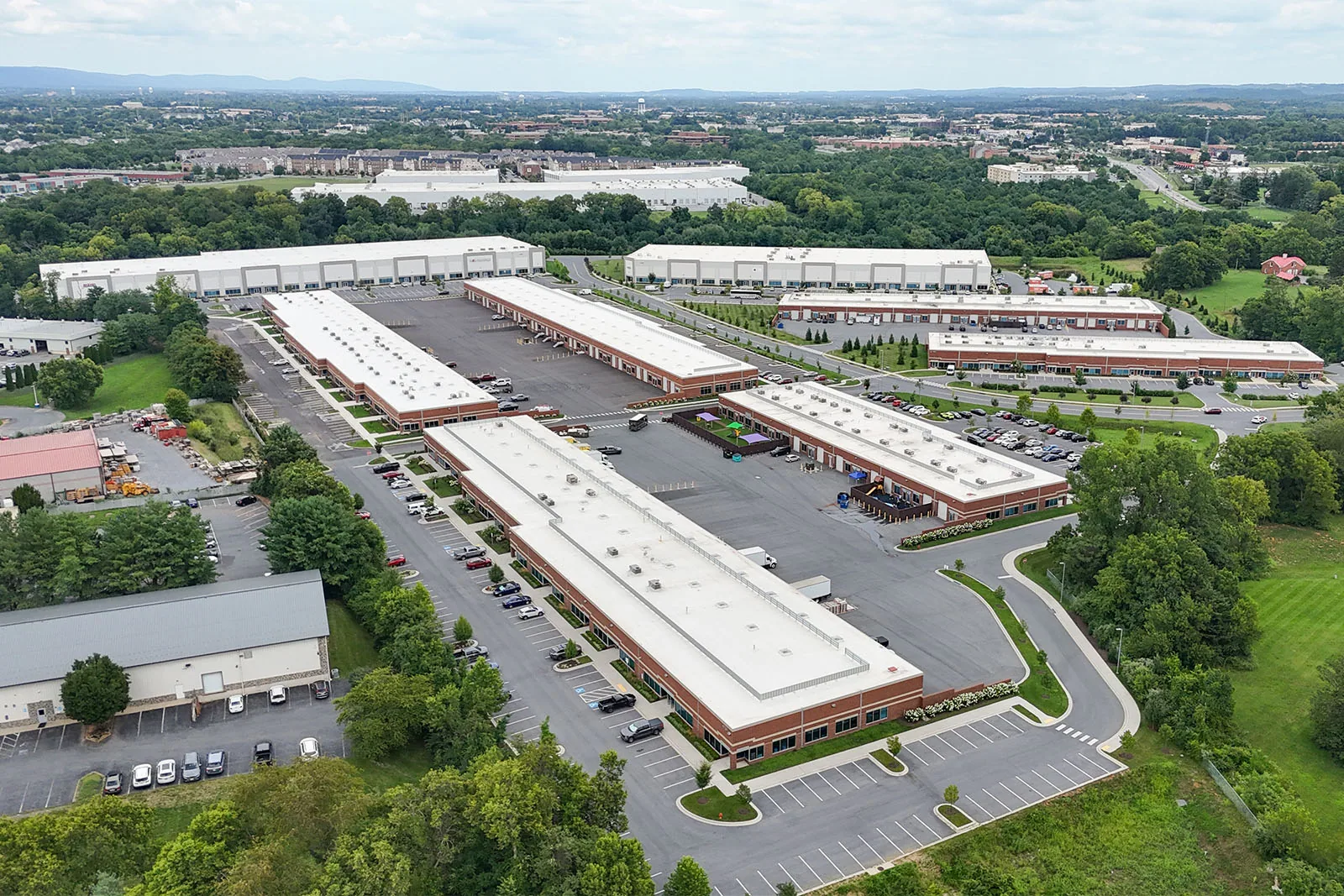 Request a Vancouver Roof Report Request a roof assessment or call 555-555-5555. 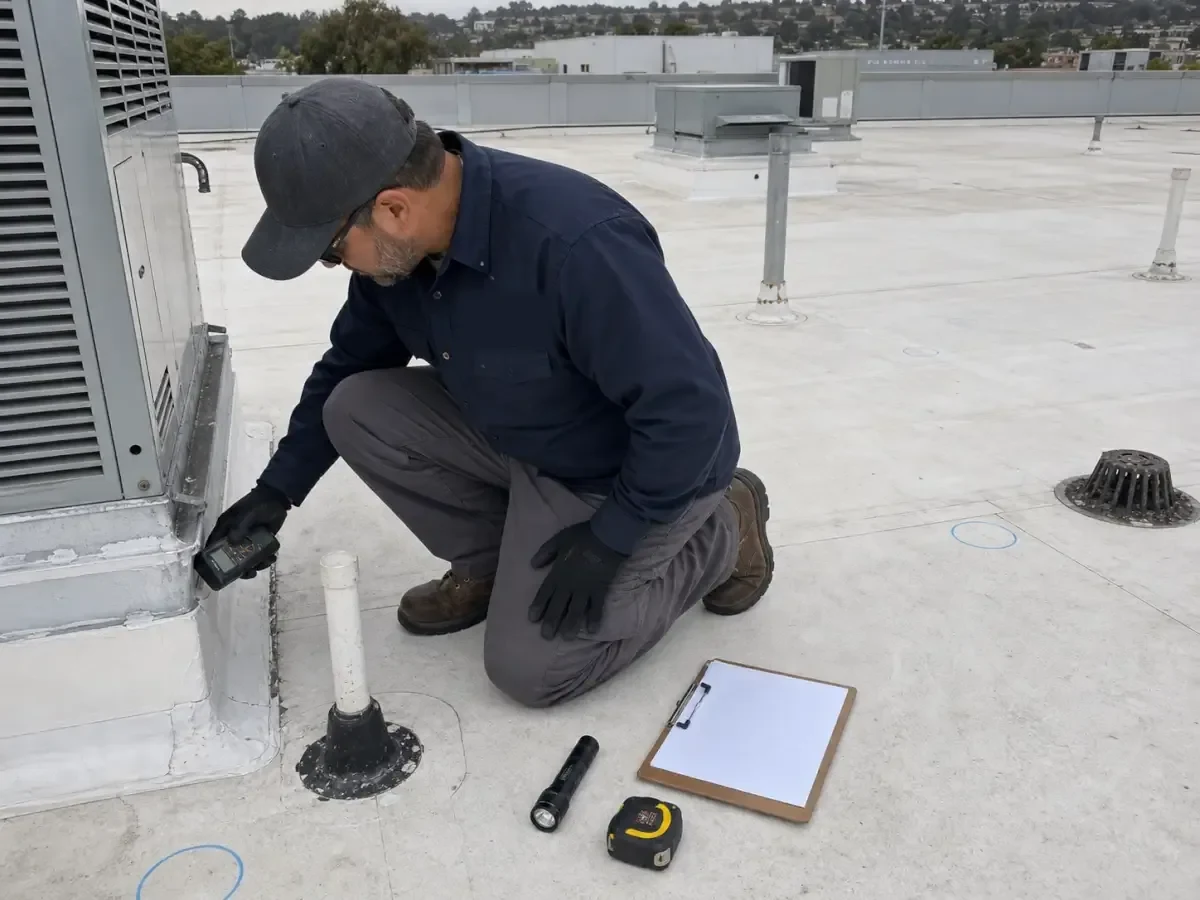 |
Separate Facts From Open Questions
Each finding states the observed condition, its roof location, any related interior report and the recommended next action. A repair recommendation should say what detail needs correction. A testing recommendation should name the uncertainty it is intended to resolve. A limitation should say what prevented access or confirmation. These distinctions help owners compare a known repair with a condition that remains under investigation.
A flashing failure review may show an open wall or curb connection. A ponding-water inspection can document a low area and its drainage route. A moisture survey may help identify areas for confirmation, with test cuts used where the project requires verification. Each result stays tied to the location and method used.
Columbia Business Center has manufacturing, warehouse, distribution and heavy or light industrial uses. The Port of Vancouver also includes metals, grain, automotive distribution and shipping tenants. Those building contexts make roof access and operations relevant, but the report records only the property inspected. Findings from one business or building are not applied to another address.
We avoid declaring a whole roof failed based on one detail. If repeated defects appear, we describe their locations and pattern. If only one area was accessible, the report marks the inspection boundary. A buyer, owner or facility manager can see what the evidence covers and what must be reviewed before selecting a larger project.
Connect Findings to a Decision
Recommended work may include a defined repair, maintenance, moisture investigation, recover review or replacement scope. We state the condition supporting the option and note whether opening the assembly could change quantity. If access is restricted, the report indicates whether a return visit is needed. Project cost depends on access, roof system, material layers, wet insulation, deck repairs and the amount of detail included.
A roof capital plan can rank documented repairs with longer-term needs. A due-diligence roof survey can organize inspection evidence for an acquisition or financing review. A property manager coordinating multiple sites can use multi-site roof reporting to keep building records consistent while retaining site-specific findings.
For a health property, a healthcare facilities team may need separate access notes for patient and support buildings. An active project team can use the same roof labels to coordinate scope questions. The report does not replace structural, electrical, code or policy determinations by the professionals responsible for those topics.
The report can also identify what is needed to prepare a repair proposal: roof plans, material records, access details, work hours or approval contacts. We list dependencies instead of assuming them. That gives the owner a next step tied to the building rather than a broad maintenance instruction.
The report should let a second person find the same detail without needing the inspector beside them. We label photos with building, section and direction, then state whether a seam, curb, drain or edge was directly observed. A recommendation also names what it does not resolve, such as concealed moisture outside an opened area. That record can support a maintenance ticket now and a useful comparison after repair, while preventing a visual observation from being treated as a full assembly test.
Keep the Record Useful Over Time
A report should remain readable after the original inspection. We date it, label the property and section, explain access limits and include photos tied to each finding. If work follows, the closeout can refer to the same location and show what changed. A future inspector can compare the repaired detail with the earlier condition and note any new movement or water path.
Provide the facility address, roof plans, reported concerns and access contact. We will confirm the building and areas available before preparing findings.
Owners can retain the report with maintenance, capital and transaction records. Findings remain limited to the areas reviewed and conditions visible during the visit.
When a report is used to plan repairs, the owner can match each recommendation to the affected roof section and supporting photo.
A good report also records how the inspection was performed. We note whether the surface was walked, viewed from an approved access point or supplemented with drone imagery, and identify the sections not reached. If moisture testing used a scan or core, the report states the tested area and result rather than implying that the full roof was sampled. The distinction makes a later repair comparison more useful and keeps a visual observation within its proper limits.
Commercial Roofing Questions
Which details make a roof condition report useful to a facilities team?
It should identify the property and roof sections, show marked photos, state visible conditions and list access limits or testing questions. We connect each recommendation to the evidence recorded at that location.
Can a report confirm that insulation is dry?
A visual inspection cannot confirm concealed insulation. We note visible indicators and identify whether a moisture survey or test opening is appropriate for the question.
Can you use our building and roof labels?
Yes. We use available owner identifiers and note discrepancies between the site plan, roof drawing and work-order names so findings can be filed consistently.
How does a report help with a replacement decision?
The report separates local defects, repeated patterns, visible moisture indicators and unresolved conditions. That helps the owner decide whether to repair, test, recover or prepare a replacement scope.
Request a Vancouver Roof Report Send the property address, roof plan, inspection concern and site contact. We will confirm access, document visible conditions and prepare findings tied to each reviewed roof area. Request a roof assessment or call 555-555-5555.