
Commercial Roof Flashing Failure Repair in Vancouver, WA
Repair failed commercial roof flashing in Vancouver, WA. We inspect transitions, trace water entry and document the repair boundary for each building. A parapet counterflashing gap can admit rain even when the field membrane remains intact. We inspect commercial roof flashing failures in Vancouver, WA, trace the water path and identify which transition needs repair. Vancouver sees winter wind and rain through the wet season. Those conditions test the connection where a roof meets a wall, curb, pipe or equipment base. In Esther Short and Downtown Vancouver, older single-story commercial properties sit alongside multistory buildings with housing, office and ground-floor retail. Access and interior use differ by address. We inspect the actual assembly before choosing material or scope. Read the Transition in ContextFlashing directs water across a change in plane or around a roof penetration. We look for open laps, loose metal, failed sealant, cracked corners, fishmouths, exposed fasteners and separation from the membrane. At a wall, the flashing should tie into the roof and terminate in a way that sheds water. Around a curb or pipe, the detail must fit the shape and movement of the penetration. A surface patch may hide a separation without restoring that connection. We begin with the reported interior location and inspect the nearby roof details. Water can travel along a deck or beneath insulation, so the stain may be offset from the flashing defect. We compare the water path with drains, seams and other transitions that could feed the same area. Photos identify the detail and nearby landmarks. If the source cannot be established visually, we state what an opening or moisture test could clarify. A flashing defect may result from a loose termination, deteriorated sealant, movement, poor fit or damage during later roof work. We describe the visible condition instead of assigning a cause without evidence. If the flashing sits below metal counterflashing, we inspect how the two pieces overlap and whether water can run behind the membrane. Hidden materials remain unknown until the assembly is opened or documented by reliable records. Columbia Business Center includes manufacturing, distribution and warehousing properties, with rail and river logistics in its larger setting. At an industrial building, equipment access and operations may shape how we reach a curb or wall transition. The park's industry mix does not establish any specific roof detail. We confirm the facility contact, access path and work boundary before opening or repairing a flashing area. | 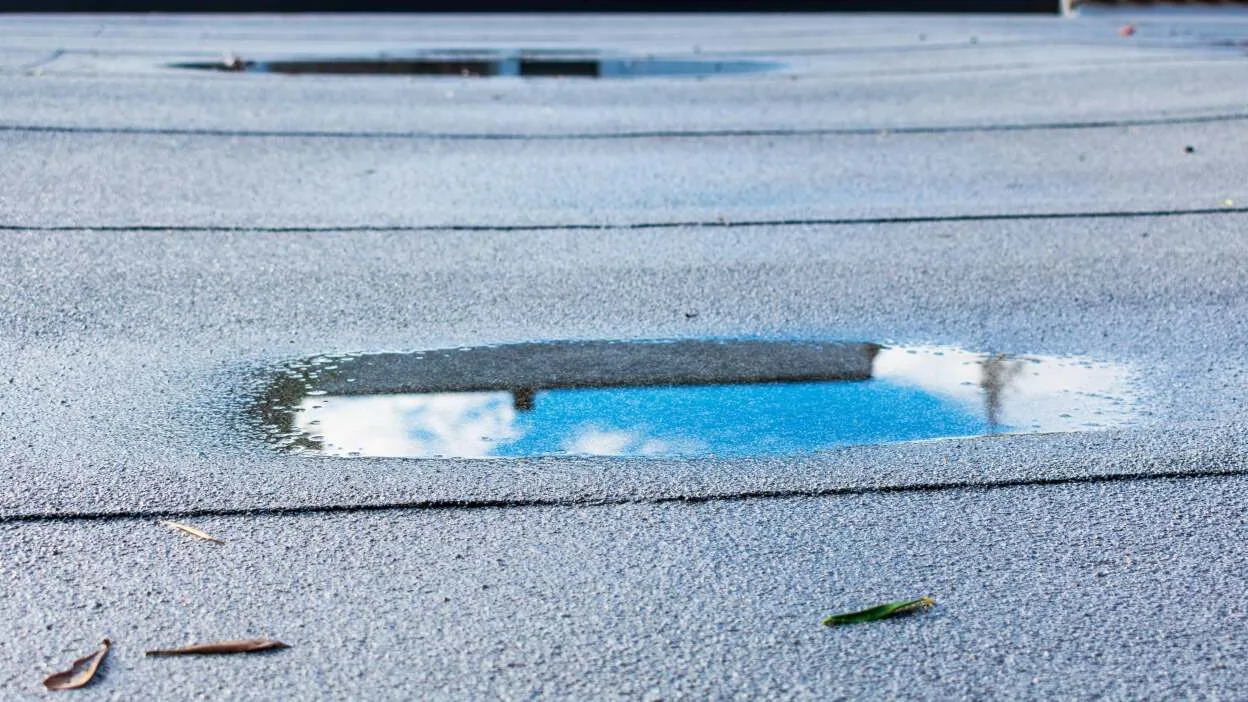 Trace a Flashing Leak Request a roof assessment or call 555-555-5555. 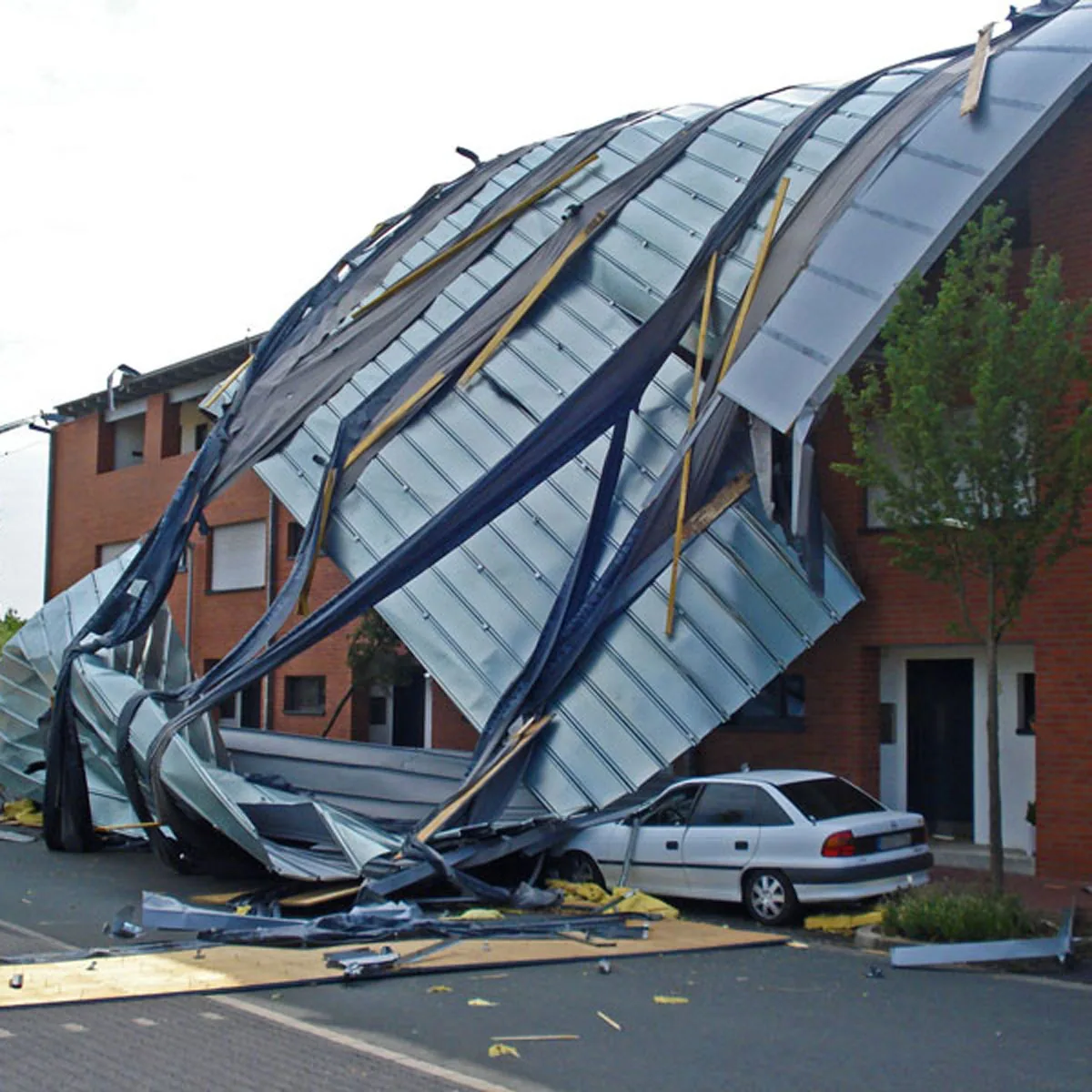 |
Separate a Local Detail From a System Problem
A localized flashing failure may be repaired by removing loose material, preparing a sound surface and installing a compatible detail that ties into the roof membrane. If the substrate is wet or the surrounding membrane is brittle, a wider area may need to be opened. We explain the boundary and note any wet insulation or deck condition uncovered. The repair method follows the actual roof system, not a generic sealant application.
Thermoplastic membranes often use welded transitions, while EPDM and modified-bitumen systems use different compatible materials and preparation. Metal roofs may require a formed closure or flashing that allows the panels to move as designed. We identify the system when possible and confirm the chosen material can bond or connect to the existing surface. A moisture survey or test cut may be recommended if the visible defect does not show how far water has traveled.
A wind damage inspection can be relevant when flashing has shifted with edge components. An adjacent ponding condition may keep a failed transition wet and needs its own drainage review. A penetration flashing repair addresses a curb, pipe or skylight detail when the opening is at that component. Findings distinguish related observations from the specific flashing correction.
If similar separations appear at several details, a local patch may not address the broader attachment or material issue. A commercial roof repair scope can define repeated details, while a replacement evaluation may be appropriate for widespread system failure. We compare the choices using observed conditions and identify additional investigation before final scope where needed.
Keep Water Out While Preparing the Detail
An active opening may need temporary protection before permanent flashing work. We check surface moisture, wind, access and the stability of the surrounding membrane. Temporary material must be secured to a suitable area and recorded with its limits. A cover may reduce immediate entry without correcting hidden wet insulation or a failed connection below the metal.
Before opening the roof, we agree on interior safeguards and notice with the building contact. A leak in an occupied office, retail space or industrial room may require moving materials or restricting access below the work zone. In a downtown building, roof access may pass through a tenant or shared area. We confirm the person who can provide entry and the space that can be protected before scheduling the crew.
Emergency roof response is available around the clock when water entry needs attention. Active rain, wind or a saturated surface can limit the permanent materials that can be installed safely. If the connection needs a dry substrate, we identify the interim measure and return conditions. The repair record states what remains so temporary protection is not mistaken for final flashing work.
Reconnect the Roof and Wall
Permanent repair starts by exposing enough of the detail to find sound membrane and secure backing. Loose flashing, failed sealant and unsound patch material are removed as required. The new flashing must overlap or weld into compatible membrane and terminate correctly at the wall or penetration. We describe the repair steps and the materials included, along with any limitation where existing construction remains concealed.
Cost and timing depend on roof access, height, transition length, system type, material compatibility and any wet insulation or deck repair. A small curb detail may be completed in a limited area. A long parapet transition or many penetrations can require more staging and coordination. If opening the assembly changes what is known, we document the condition and review the additional scope with the owner before proceeding.
During the work, we control exposed areas and secure the roof before leaving. Rain can change the sequence if the transition needs a dry surface. We coordinate any interior access, noise and staging with the facility contact. The repaired connection is photographed so the property team can identify the treated location later.
Record the Detail That Was Repaired
Closeout names the roof area, transition, observed defect, repair completed and photos. It also lists access limits, concealed conditions and any follow-up recommended. A property team can attach the record to prior reports and use the same location name in future service records.
Commercial Roofing Questions
Can flashing be repaired without replacing the whole roof?
A local repair may be appropriate when the nearby membrane and substrate are sound enough for a compatible connection. We inspect the area and state whether the defect is isolated or part of a wider system concern.
Why does water appear far from the failed flashing?
Water can move beneath membrane or insulation and follow the deck before it reaches an interior surface. We use the reported location to begin the trace, then compare the roof details above and around it.
What if a curb or wall is covered by metal?
We inspect accessible overlaps and identify any concealed connection that cannot be confirmed without opening material. The report explains whether a limited removal or test is needed to verify the detail.
Can you protect a flashing opening during rain?
Temporary protection may be possible if it can be secured safely to sound material. We state what it covers and schedule permanent work when the surface and conditions support the repair method.
Trace a Flashing Leak Share the Vancouver property address, building use, interior leak location and roof access contact. We will inspect the transition, document the water path and define repair or testing needs. Request a roof assessment or call 555-555-5555.