Commercial Roof Asset Management in Vancouver, WA
Manage commercial roof records across Vancouver properties with inspections, condition histories, repair priorities and building-specific follow-up. A roof inventory is useful only when each observation points to the right building and roof section. We help Vancouver, WA, owners and facility teams manage commercial roof assets through inspections, photos, repair histories and prioritized follow-up. Columbia Business Center includes manufacturing, distribution, warehousing and other industrial uses. The Port of Vancouver Industrial Waterfront supports shipping, metals, food processing and warehouse activity. A portfolio in these districts may span different assemblies and operating constraints, so records stay asset-specific. A commercial roof inspection establishes visible conditions. A roof condition report ties findings to photos and a marked roof location. Give Every Roof a Consistent IdentityWe begin with property addresses, building names, roof plans, prior reports, service tickets and the contacts who control access. Existing records may use a tenant label, building number or shorthand that does not match the roof plan. We preserve the owner's identifiers and note mismatches rather than creating a second naming system. Each roof section receives a clear label that can be used in later inspections and repair records. A portfolio can include offices, warehouses, retail space, health facilities and production buildings. The Lower Grand Employment Area contains office, industrial and flex-industrial properties near Grand Central retail. Esther Short and Downtown Vancouver include civic, office, retail, housing and older commercial buildings. Those facts illustrate local building contexts, not the exact inventory of a given owner. We confirm each asset and its access needs individually. Vancouver's cool wet season brings rain and winter wind. A roof-management record should capture drainage routes, flashing and attachment concerns that can affect performance through that season. During warmer, drier months, the same inspection can note membrane wear, coating condition and repair history. Weather context helps set a review focus, but it does not replace observations from the actual roof. For each building, the inventory can record system type where known, section boundaries from available plans, last inspection date, open repairs, access limits and next action. Unknown assembly details remain marked for verification. We do not assign condition to a roof that was not inspected or infer remaining service life from age alone. | 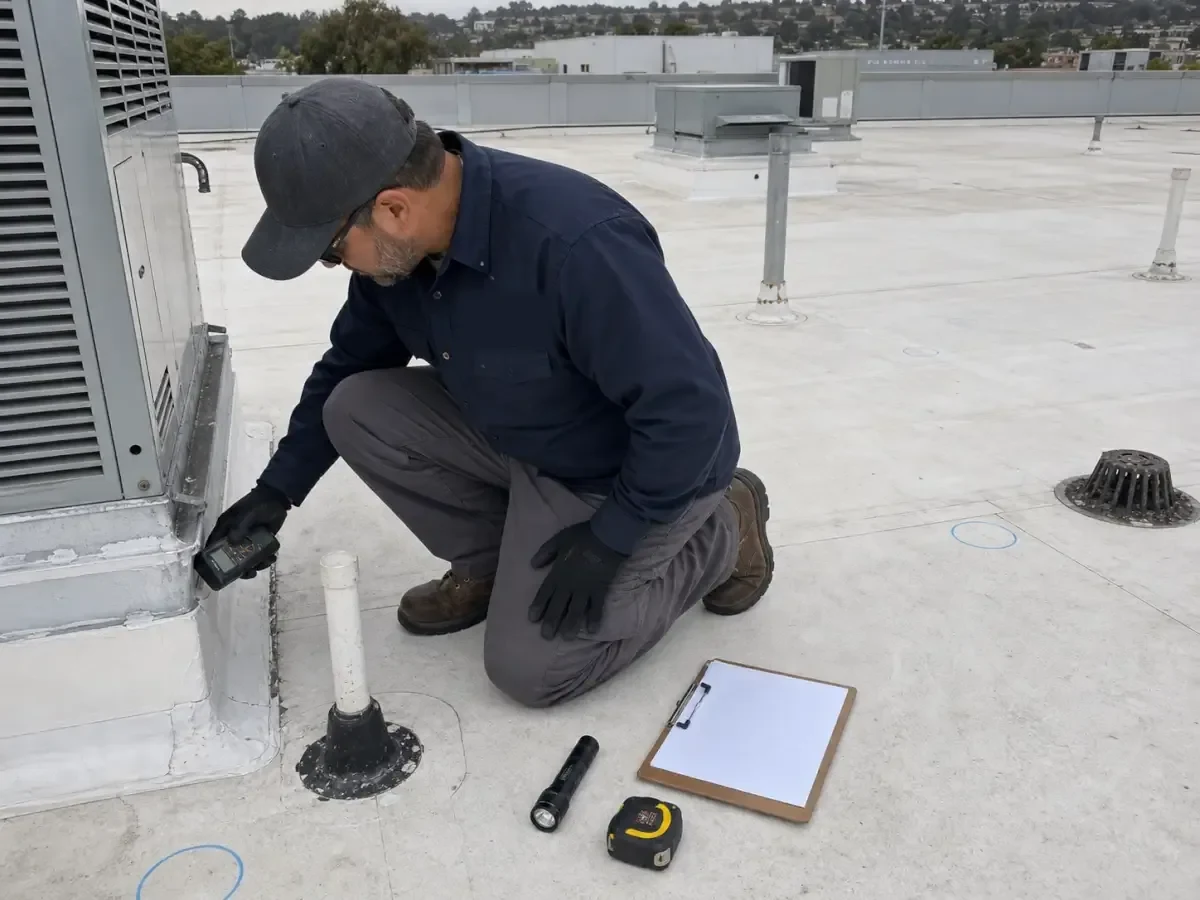 Organize Commercial Roof Records Request a roof assessment or call 555-555-5555. 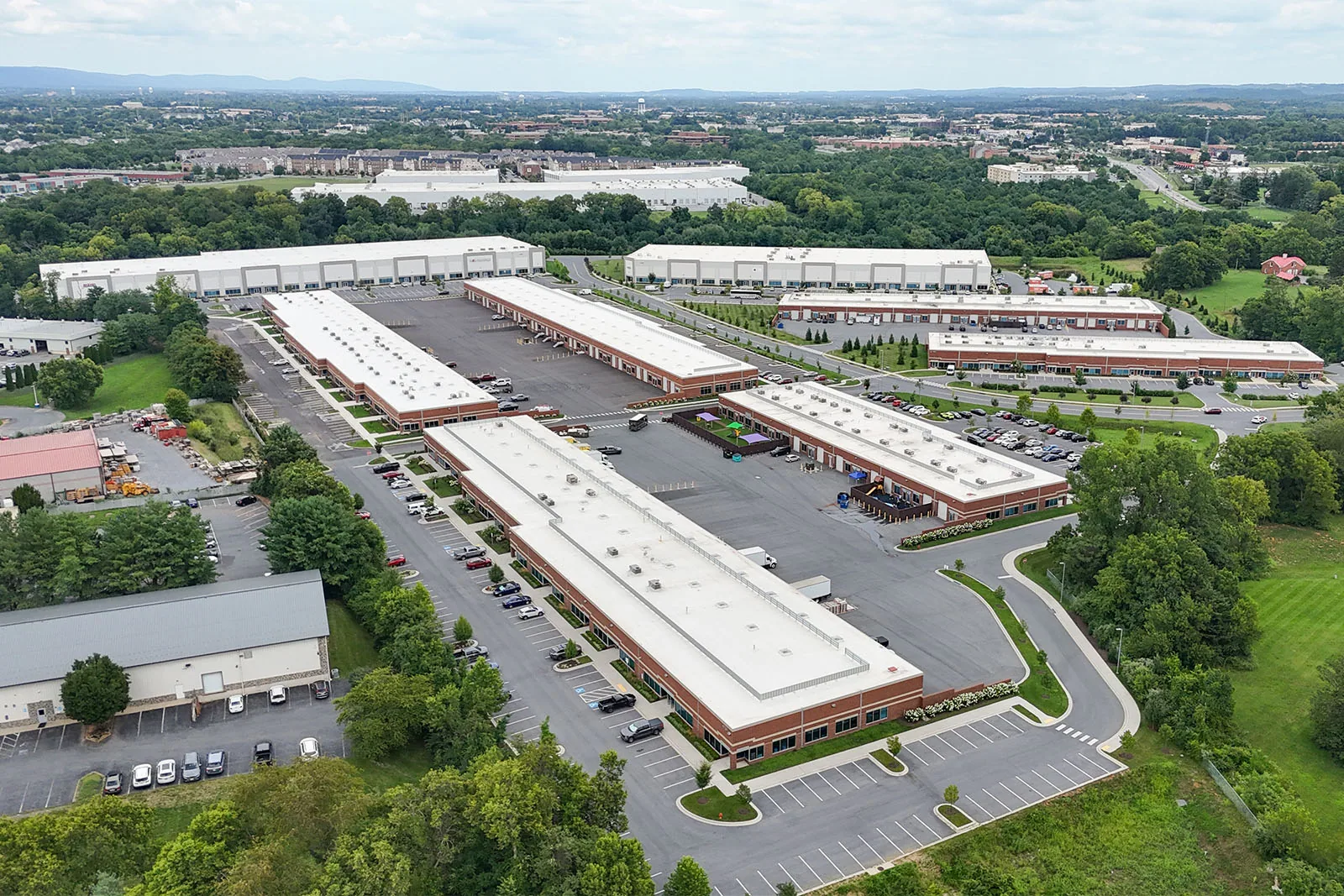 |
Turn Observations Into Work Priorities
Condition notes should distinguish active leakage, isolated defects, routine maintenance, moisture questions and broader replacement concerns. We document what we observed, where it occurred and what evidence supports the recommendation. An open seam at one section does not automatically mean adjacent sections have failed. If wet insulation cannot be confirmed visually, we identify an appropriate test rather than recording an assumption as a finding.
A preventive roof maintenance visit can check drains, edges, penetrations and prior repairs. A moisture survey may help locate suspect areas for test openings. If an active opening needs response, an emergency roof repair can address immediate exposure while permanent work is planned.
Port properties can have active freight, production or warehouse activity that affects access and scheduling. At a multi-tenant office or retail property, the owner may need tenant notices and interior protection. We record those constraints with the asset so a repair plan can identify the right facility contact and work window. A property management team can use the same labels for work orders, approvals and future reports.
When several buildings have open items, priorities can be compared by urgency, affected occupancy, water exposure and scope confidence. We separate immediate repair from further investigation and longer-term planning. This keeps urgent leaks visible without treating every maintenance item as an emergency.
Asset records can also show who requested each visit, who granted roof access, which areas were excluded and who received the findings. If a tenant reports water but the owner controls the roof, the record can distinguish the reported interior location from the roof section inspected. For recurring issues, a dated photo and repair note make later comparisons more useful than a general status such as good or poor. We retain the detail needed to make the next inspection specific to the building.
Plan Service Around the Portfolio
Inspection timing can reflect recent leaks, seasonal drainage needs, planned capital work and access windows. The portfolio contact can group nearby addresses where practical, while each visit still documents a specific building. A shared schedule should preserve roof-level details instead of reducing every property to a single status label.
A multi-site roof program can coordinate reporting across locations. A roof capital plan can organize repair needs and replacement timing. For acquisitions or refinancing, a due-diligence roof survey can document accessible conditions and open questions for the transaction file.
Budget forecasts should state assumptions. Access, roof layers, equipment, moisture, deck condition and material availability affect project scope and timing. We can identify known repairs separately from allowances that depend on testing or opening. This gives the asset manager a traceable basis for reviewing proposals without treating an estimate as a confirmed hidden condition.
Near the Port, Columbia River and interstate freight routes, delivery planning can involve the site's gate, receiving contact and operations. Regional location does not tell us a particular roof's access route. We confirm those details with the facility representative before an inspection or repair is scheduled.
A portfolio map is useful only when its labels match the property records used by facilities and finance. We can align roof areas to building numbers, note system type where confirmed and retain a photo set for each inspection date. A priority list then separates an active leak from a condition to monitor and a capital question that needs further testing. That keeps a multi-year plan grounded in actual roof sections instead of a single age field or generic rating.
Keep the Asset History Current
After an inspection or repair, we update the record with the date, roof areas reviewed, photos, work completed and follow-up items. Any area not accessed remains visible as a limitation. If materials are removed and reveal wet insulation or deck damage, the added finding is tied to the same section. A later review can compare observations with earlier reports and identify changes.
Send the address, building name, roof plan, current concern and portfolio contact. We will confirm the asset, inspect the agreed sections and return records organized by building and roof section.
Commercial Roofing Questions
What information belongs in a commercial roof asset record?
Include property and building identifiers, roof section, system where known, inspection date, photos, condition notes, repairs and access limitations. We can identify unknown details that need records or testing.
Can you manage records for several property types?
Yes. We keep observations tied to each address and roof area, then use consistent categories for portfolio review. A warehouse condition does not stand in for an office, retail or healthcare roof.
How do you rank roof repairs across a portfolio?
We distinguish active water entry, localized defects, maintenance and broader investigation. The owner can compare urgency, affected use and scope confidence using evidence recorded for each asset.
Can roof asset records help plan capital work?
They can show known conditions, previous work, access constraints and remaining questions by building. A capital plan can use that information while keeping assumptions and unverified conditions separate.
Organize Commercial Roof Records Share the Vancouver property list, roof plans, prior inspections and current service concerns. We will confirm access and create building-specific findings for your roof portfolio. Request a roof assessment or call 555-555-5555.