
Commercial Roof Membrane Puncture Repair in Vancouver, WA
Repair punctures and foot-traffic damage on Vancouver commercial roofs. We inspect the membrane, trace moisture and document the repair area. A dropped tool, loose screw or repeated service route can leave a puncture in a roof membrane. We inspect and repair punctures on commercial roofs in Vancouver, WA, checking the surrounding surface for related damage that could change the repair boundary. Columbia Business Center has manufacturing, distribution and warehouse activity, where rooftop equipment and regular service access may be part of the facility's operating needs. At the Vancouver Mall District, retail properties and nearby services create different staging and access conditions. Neither location determines the cause of a puncture. A rooftop equipment inspection can help identify how service access relates to the roof condition. Mark the Impact and Nearby TrafficWe photograph the puncture and identify its roof section, nearby equipment and visible surface condition. A sharp impact may leave a small cut, pinhole or crater. Foot traffic can scuff a coating, separate a lap or compress insulation around a service path. A mark on the membrane is not always an opening, so we inspect the material carefully and avoid enlarging sound surfaces during evaluation. The affected area may extend beyond the visible hole. Water can move below the membrane and wet insulation or travel along the deck before it appears inside. We check the immediate area for soft spots, staining, delamination, loose seams and related penetrations. If the material beneath cannot be assessed visually, the report identifies whether a moisture scan or test cut could confirm the extent before removal is priced. Rooftop technicians, HVAC service routes and temporary material storage can create recurring traffic. We ask the facility contact how the area is used and whether equipment work is scheduled. Where traffic is expected to continue, the repair plan may need a walkway or other protection suited to the roof system. That measure has to be compatible with the membrane and cannot block a drain or hide a future defect. Vancouver experiences occasional summer heat as well as wet winter conditions. Surface temperature and moisture affect how a patch material bonds or cures. We record field conditions and choose a repair method appropriate to the roof type. A repair postponed until a dry surface is available should be documented with any temporary measure and a clear follow-up. | 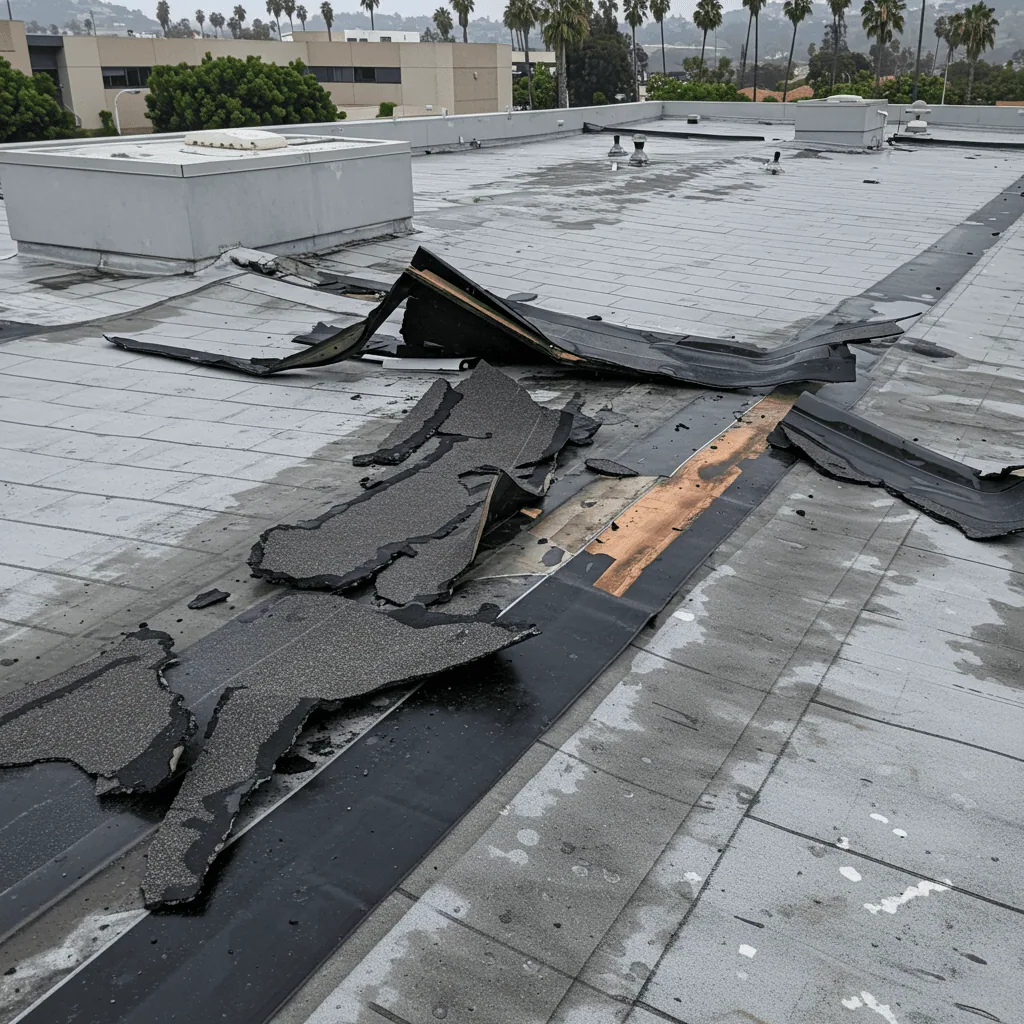 Repair a Commercial Roof Puncture Request a roof assessment or call 555-555-5555. 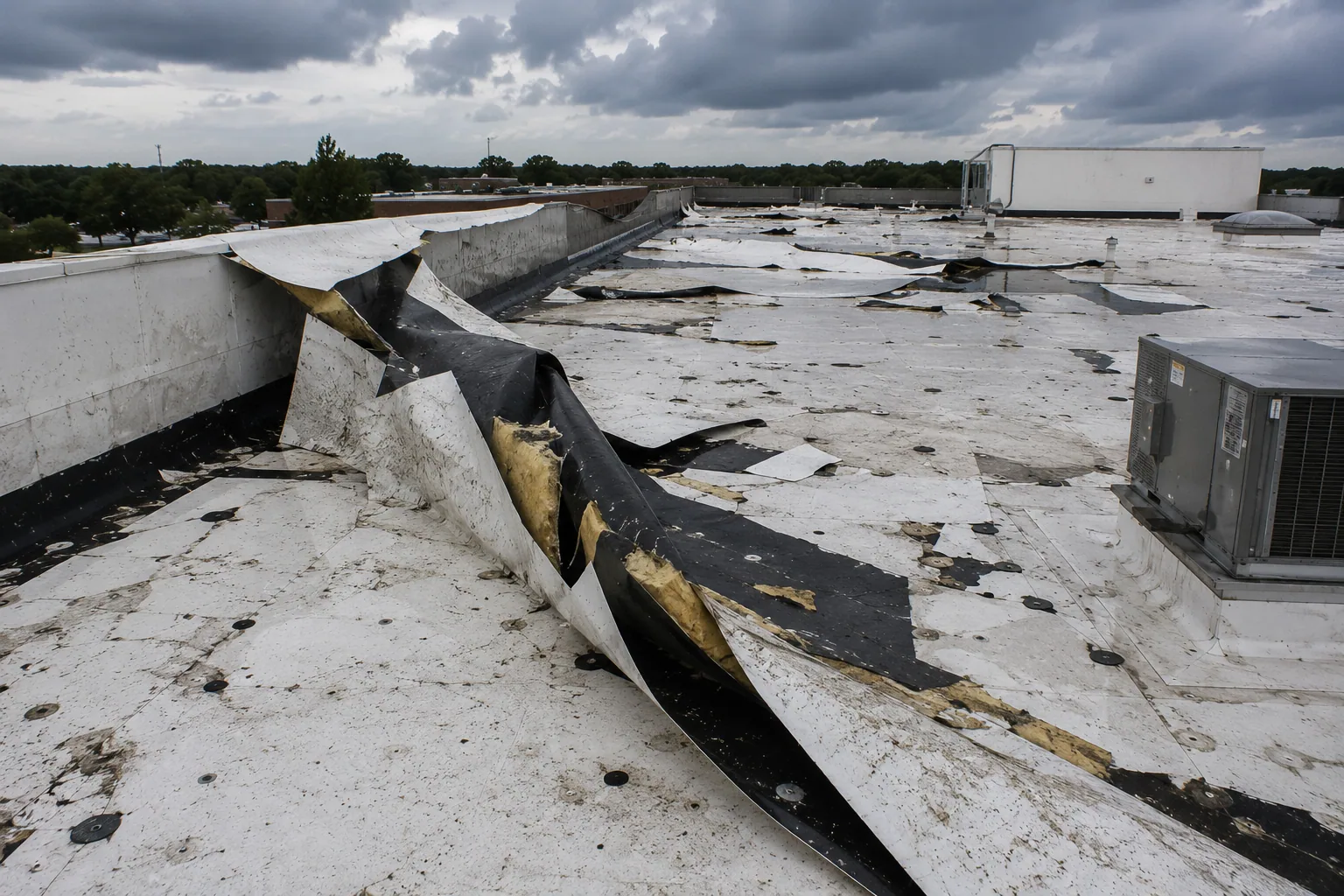 |
Find Out Whether the Membrane Is the Only Layer Affected
A small puncture in a single-ply roof can sometimes be patched locally when the surrounding membrane is clean, dry and firmly attached. If wet insulation, a damaged cover board or a deck concern is found, the repair boundary must expand enough to remove compromised material and reconnect the system. We state what is visible, what was opened and what remains concealed. Photos before and after removal help connect the condition to the completed work.
System type matters. Thermoplastic membranes are typically repaired with compatible membrane and heat-welded seams. EPDM requires appropriate primers and patch materials. Modified bitumen and coated roofs need methods that bond to their existing surface. We identify the assembly from records or visible details and verify compatibility before installing a patch. Sealant alone is not a universal puncture repair.
A seam inspection can identify a nearby open lap, while a ponding water review can check whether drainage keeps the damaged area wet. A moisture survey may help map suspect insulation, with test openings used when needed to verify the findings. These steps answer separate questions and may be considered when the visible damage does not show the full water path.
Near the Port of Vancouver Industrial Waterfront, shipping and warehouse uses may have restricted operating zones. On a retail property, customer areas and delivery activity may set different access rules. We confirm the actual roof entrance, approved service route and staging location with the site contact rather than assuming a route from the district name.
Restore the Membrane Around the Damage
The crew removes loose or contaminated material, dries the surface as required and prepares a patch that overlaps sound membrane. The patch is welded, adhered or integrated using a method that suits the roof assembly. If insulation or cover board is replaced, the new layers are fitted to avoid a low edge or trapped water pocket. We record the materials and limits included in the repair.
Cost and timing depend on the number of punctures, access, membrane type, moisture extent and whether rooftop equipment must be moved or protected. A puncture near a curb, drain or seam can involve that transition as well as the field membrane. If opening the assembly reveals a larger wet area, we review the added work with the owner before proceeding. A replacement recommendation requires evidence of wider system failure, not just one hole.
For active water entry, around-the-clock emergency response can assess temporary protection and next steps, including nights, weekends and holidays. Safety and surface conditions determine what can be installed during the first visit. Permanent patching proceeds when the membrane is ready for the chosen material. We limit open work areas and secure them before leaving, with interior protection coordinated through facility staff.
Reduce Repeat Foot-Traffic Damage
After repair, the facility can review how technicians reach rooftop units and whether the same route crosses vulnerable membrane. Walkway pads or designated service paths can reduce direct contact when selected for the roof assembly. We can record the locations that need protection and note whether equipment maintenance will require future access. The goal is to protect the field membrane without covering drains, seams or defects that need inspection.
A preventive maintenance visit can check repaired areas, clear drainage paths and document new service-related marks. A roof condition report keeps the repair location and photos tied to the building. For an industrial facility, a warehouse roof review can include access routes and operational constraints; a manufacturing plant assessment can account for scheduled equipment work.
Staff should report new interior moisture promptly and provide the repair record if the same area is affected. A later leak may come from a different penetration or transition. We compare the new condition with the marked repair rather than assuming the earlier patch failed.
Keep the Puncture Location Traceable
Closeout identifies the property, roof section, puncture, surrounding condition, work performed and photos. It notes whether moisture testing or concealed repairs were part of the visit and lists any open questions. If a walkway or service route needs follow-up, that recommendation is recorded separately from the patch itself.
Send the address, building use, reported damage, roof access contact and any recent rooftop service notes. We will inspect the affected area and define the repair or additional testing supported by the evidence.
A clear roof history gives facility staff a consistent point of comparison at the next service call. The repair record describes the area addressed, not every roof section outside the visit boundary.
Commercial Roofing Questions
Can you repair a small hole in a commercial roof membrane?
A local patch may be appropriate if the membrane around it is sound, dry and compatible with the repair. We inspect adjacent material and note whether wet insulation or deck damage needs removal.
How do you check for damage from rooftop service traffic?
We review visible scuffs, punctures, seam separation and the route to equipment. The facility contact can identify recurring access needs so the repair plan can include compatible walkway protection.
Will an infrared survey show exactly where water entered?
A survey can help identify areas that may contain moisture, but results may need test openings to confirm. We explain what question the survey can answer and how the findings affect the repair boundary.
What if the puncture is beside a roof drain or seam?
We inspect the nearby detail and include it in the scope if it is connected to the damage. A separate drainage or seam condition is listed distinctly so the repair addresses each observed issue.
Repair a Commercial Roof Puncture Send the property address, roof system if known, affected area and any recent equipment-service activity. We will inspect the puncture, document surrounding conditions and explain the repair boundary. Request a roof assessment or call 555-555-5555.