Commercial Roof Fire Damage Repair in Vancouver, WA
Inspect and repair commercial roof fire damage in Vancouver, WA. We document heat, smoke and water effects and define safe temporary and permanent work. After a roof fire, the visible opening may be only one part of the damage. Heat, smoke, suppression water and debris can affect membrane, insulation, deck, flashing and rooftop equipment. We inspect and repair commercial roof fire damage in Vancouver, WA, documenting accessible conditions and limits before defining temporary protection or permanent work. At the Vancouver VA Campus, patient-care, imaging, specialty, administrative and maintenance functions operate across multiple buildings. That local example underscores why each facility and roof zone needs its own access and coordination plan. For a property near Esther Short and Downtown Vancouver, civic, retail and office uses can affect staging and public access. A commercial roof inspection records visible damage, and a roof condition report keeps photos and open questions tied to the building. Confirm the Area Is Ready for InspectionFire response and building safety authorities determine when the property can be entered. We coordinate roof access with the owner or authorized representative after access has been cleared. The inspection boundary may exclude unstable surfaces, damaged interior areas or equipment zones that cannot be approached safely. We document those limits and do not treat inaccessible areas as inspected. Before the roof walk, the facility contact identifies where the fire occurred, what materials or equipment were involved if known, where suppression water entered and whether temporary covering has already been installed. This history helps direct the review, but the physical roof condition remains the basis for scope. We photograph the roof area before debris or damaged material is moved when safe conditions allow. If the building needs immediate dry-in, we state what temporary work is feasible and what must wait. Vancouver's wet cool season brings recurring rain, with winter wind and occasional freezing conditions. A fire opening exposed to weather can create a second water problem. The site team may need interior protection and controlled access while the roof is secured. We coordinate with fire restoration personnel, facility staff and the property representative so roof materials are not disturbed before the inspection area and responsibilities are agreed. The Vancouver VA Campus includes a Community Living Center, residential rehabilitation, logistics, maintenance and a boiler plant alongside patient-care buildings. These uses illustrate why service routes and occupied areas need specific coordination. They do not establish anything about the location or type of a particular fire. We confirm the exact building and contacts before scheduling work. | 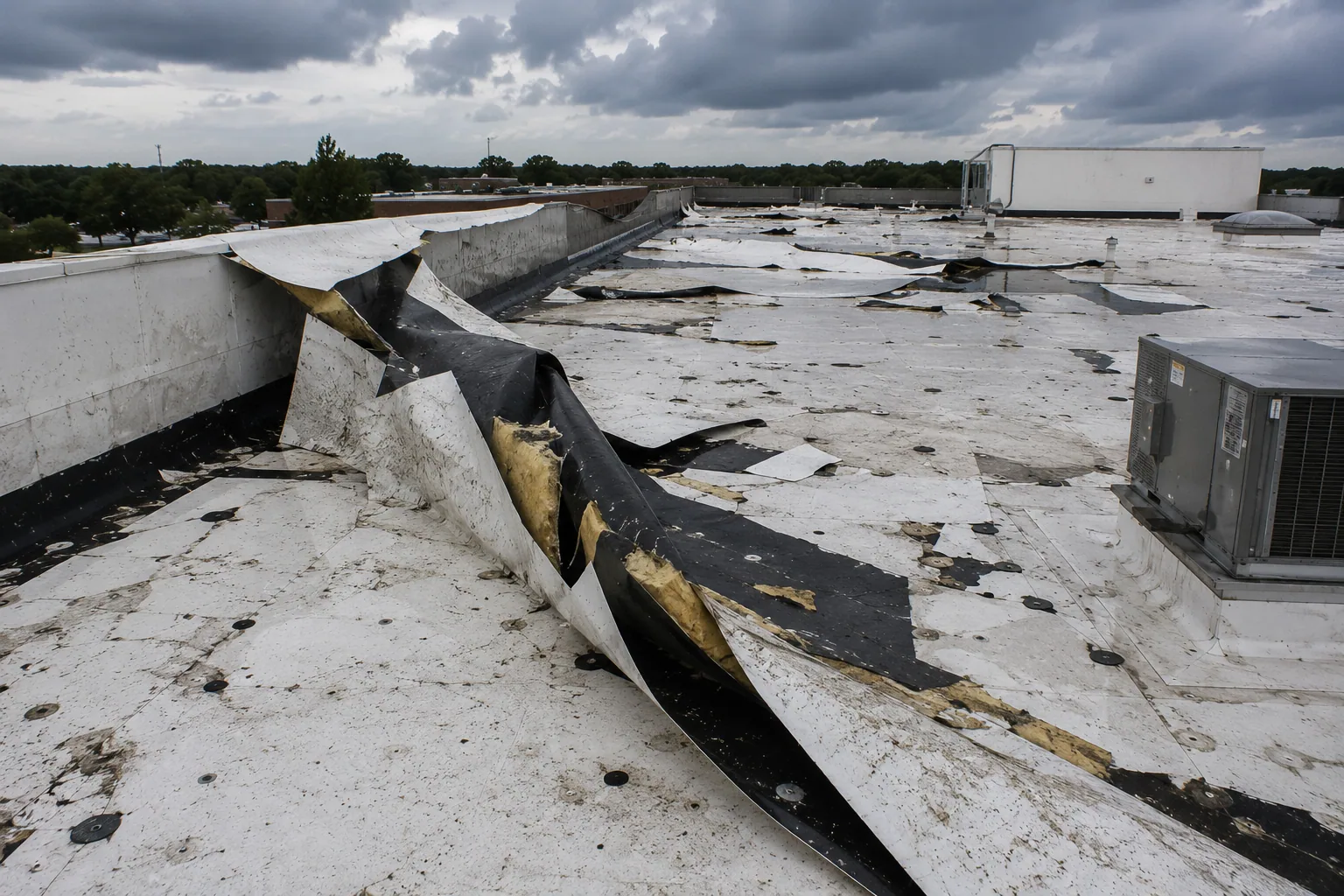 Document Fire-Affected Roofing Request a roof assessment or call 555-555-5555. 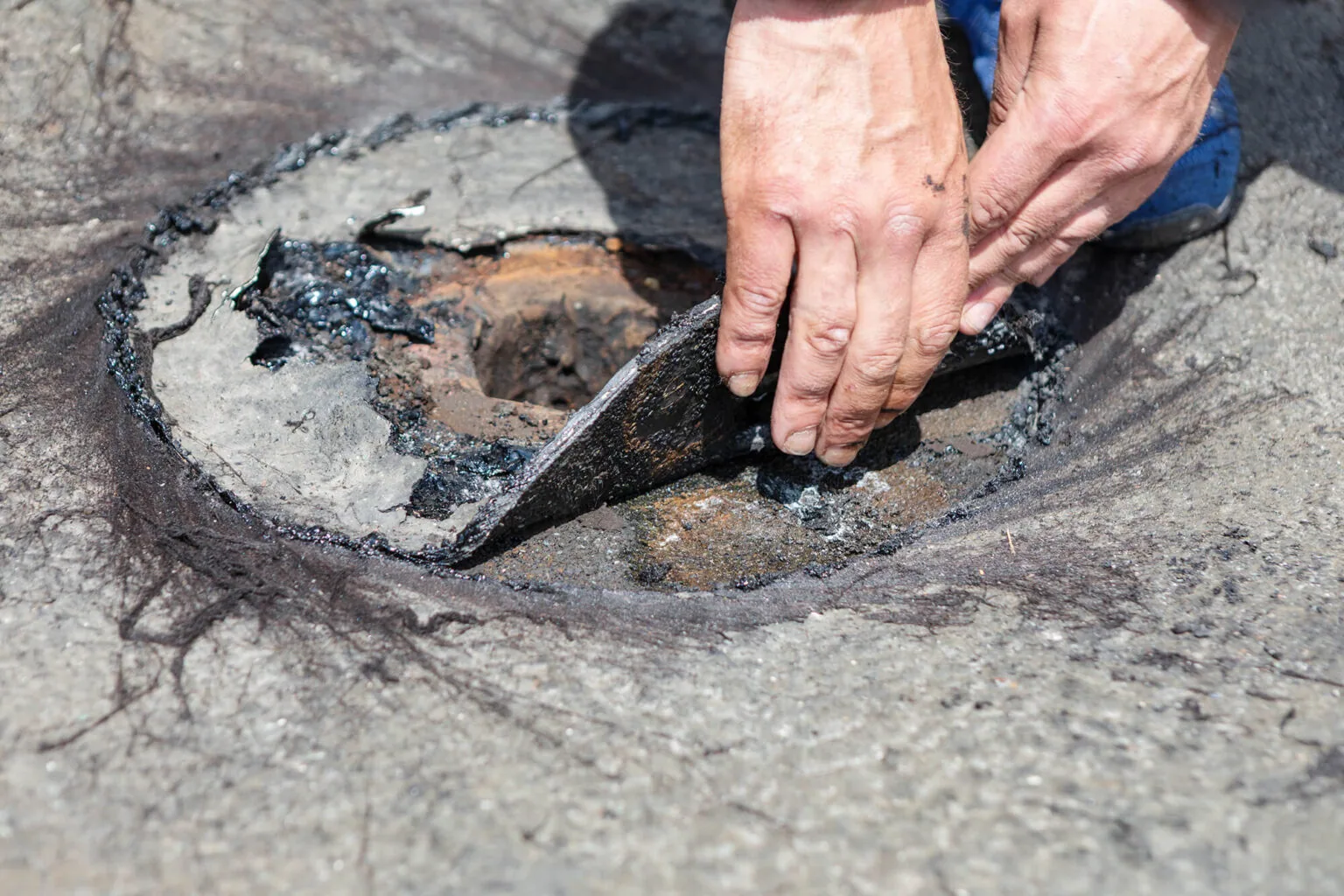 |
Map Heat, Smoke and Water Effects
We inspect the roof surface, membrane seams, edge metal, flashing, penetrations and visible substrate around the reported fire area. Heat can deform or blister a membrane, weaken a coating, damage sealant or affect metal and plastic components. Smoke deposits may show where hot gases moved, but soot alone does not prove that the roof membrane lost integrity. We identify the visible condition and separate it from material performance questions that need testing or opening.
Suppression water may travel through the opening and remain in insulation or deck after the roof is covered. We check accessible interior and roof areas for water paths, staining, soft material and signs of wet insulation. If a roof core, moisture survey or material evaluation is appropriate, the report states what it could verify. Hidden conditions are not assumed dry simply because the top surface has cooled.
Esther Short and Downtown Vancouver include a mix of multistory housing and office buildings with ground-floor retail and older single-story commercial spaces. That range makes the actual roof assembly and adjoining wall details important to confirm. A membrane damage inspection can address an opening or puncture, while a flashing assessment can review heat-affected transitions. We link findings to each component rather than grouping smoke and water evidence into one unsupported conclusion.
When fire crews or restoration teams have moved rooftop equipment or cut membrane for access, we document those locations and the current condition. The report identifies what the inspector can see and who supplied relevant site information. It does not assign the fire cause or decide insurance coverage.
Separate Stabilization From Rebuild
Temporary dry-in may protect an opening while structural, electrical and interior evaluations continue. We define the material used, the area covered and the check or replacement still required. A temporary cover is not a final repair. Permanent work may require removing charred, heat-damaged or wet materials until sound substrate is reached, then replacing layers and reconnecting membrane and flashing.
Emergency roof repair can address an urgent opening when safe access is available. A broader roof replacement scope may be needed if heat or fire effects extend across a roof section or the assembly cannot be restored locally. Work scope depends on the affected area, roof layers, moisture, deck condition, access and any required coordination with other trades. We distinguish visible damage from conditions that become known only after removal.
For an occupied property, repair sequence may depend on interior clearance, equipment replacement, power restoration and restoration work below the roof. We coordinate roof openings and dry-in with the project representative. Vancouver rain or wind can change the daily sequence, so each workday ends with a secured roof condition and clear status for the next crew. If the opening must remain under temporary protection, the record identifies who will monitor it.
Cost and schedule are set after the damage boundary, material requirements and access are understood. If opening a section reveals wet insulation or damaged deck beyond the initial area, we photograph the finding and seek direction before extending the scope. This keeps the estimate tied to actual conditions rather than an assumed fire footprint.
Restore the Roof Assembly
Permanent roof work removes unsound material, replaces affected layers and reconnects the new section to compatible existing membrane. Flashing, edges and equipment curbs need secure transitions that shed water. Where metal components are distorted, they may need replacement or adjustment. We identify included work by roof area and record any adjacent section that remains outside the approved boundary.
System choice follows the existing roof and project requirements. A thermoplastic membrane may use welded seams; EPDM uses different bonding materials; built-up and modified-bitumen assemblies have their own repair methods. We verify what is present and use compatible materials. If the original system cannot be identified from accessible details, that uncertainty is stated before work proceeds.
After installation, we photograph completed transitions and note any remaining evaluation needed. A roof damage documentation service can provide dated findings and a repair description for a property file or insurance review. A restoration team can coordinate related work below the roof, while a healthcare facility representative may need separate approval for patient-care areas.
Keep the Fire Repair Record Clear
Closeout identifies the building, roof section, inspected area, observed heat or water effects, work completed and photos. It lists access limits, materials left under temporary protection and remaining questions. The property team can retain the record with restoration documents, prior roof history and any testing results. Clear location labels help later inspectors distinguish the repaired area from adjacent sections.
Provide the building address, use, fire-affected area, access status, restoration contact and roof records. We will confirm which areas can be reviewed and return findings tied to the actual property.
Commercial Roofing Questions
Can the roof be inspected before the building reopens?
We coordinate access after the property has been cleared for entry by the responsible authorities. The inspection can document roof conditions and access limits, while other professionals determine structural and interior safety.
Does smoke staining mean the membrane must be replaced?
Not by itself. We inspect for deformation, blistering, loss of adhesion and other visible effects, then identify testing or material evaluation needed to assess concealed or uncertain conditions.
How do you handle suppression water in the roof?
We trace accessible water paths, note wet materials and identify whether a moisture survey or opening may confirm the extent. The repair scope can then address affected insulation or deck as required.
Can temporary protection be installed while restoration continues?
Temporary dry-in may be feasible once access is safe and the cover can be secured. We document the covered area, limits and remaining permanent work, then coordinate the sequence with the property representative.
Document Fire-Affected Roofing Share the Vancouver address, building use, fire-area location, access status and restoration contact. We will inspect accessible roof areas and define temporary protection or permanent repair needs. Request a roof assessment or call 555-555-5555.