Commercial Roofing for Insurance and Restoration Work in Vancouver, WA
Document visible commercial roof damage, coordinate repairs and preserve property-specific findings for Vancouver insurance and restoration work. After a reported roof loss, property owners and restoration teams need a clear record of what is visible, what has been protected and which questions remain. We inspect and repair commercial roofs in Vancouver, WA, documenting visible damage, temporary protection and the permanent repair scope. A commercial storm damage roof repair visit can document an affected area and identify response needs. A roof condition report preserves observations and limitations for the property file. Separate Immediate Protection From Permanent RepairWhen water is entering, the first priority is a safe response that reduces exposure without overstating what temporary work can accomplish. We confirm the address, interior location, time reported, recent weather information available to the property representative and any protection already installed. We inspect accessible roof sections and identify damage that can be observed, along with areas that are inaccessible or concealed. If temporary cover is appropriate, the record states where it was applied and what permanent repair remains. Vancouver's cool wet season brings recurring rain, while winter wind and occasional snow or freezing conditions can affect roofs and access. These weather patterns provide regional context but do not establish the cause of a particular leak or roof opening. We document the condition at the time of inspection and compare it with available maintenance records, prior photographs or repair notes. A before-and-after photo set can help show which area was addressed, but it does not replace testing when the assembly below is hidden. Water can travel from the point of entry before it appears on a ceiling or wall. We compare interior reports with roof seams, flashing, drains, curbs, penetrations and transitions where access allows. A stain may have more than one possible pathway. The findings distinguish visible damage from a suspected source and identify any test, opening or interior inspection that could clarify it. If the building is occupied, we coordinate interior access, material protection, pedestrian routes and roof entry with the property contact. A property manager may control access while a tenant reports the issue. We confirm which party is available to authorize inspection or repair and provide the information needed to understand the work boundary. | 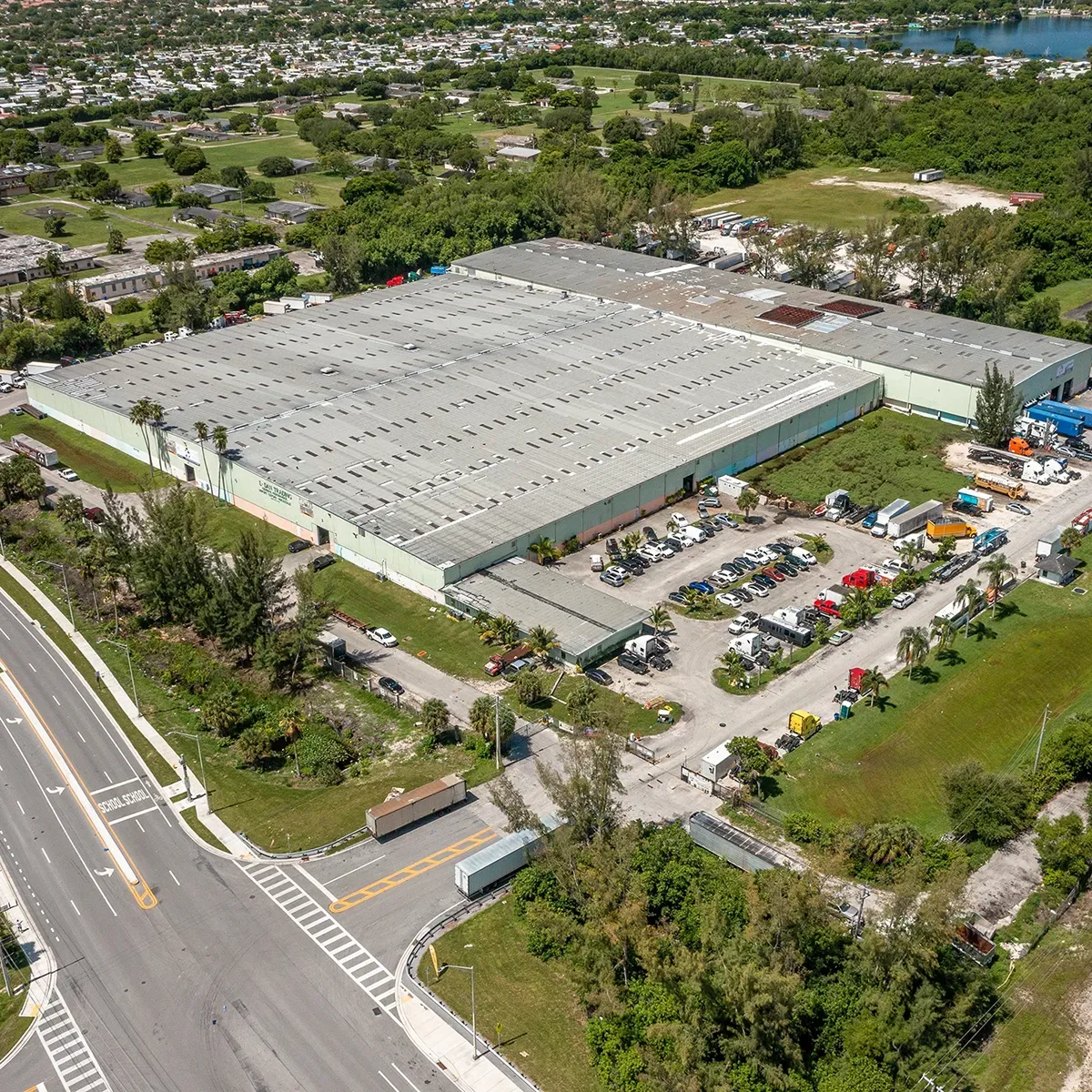 Document a Vancouver Roof Loss Request a roof assessment or call 555-555-5555.  |
Create a Site-Specific Damage Record
A useful record identifies the property, building, roof section, material details visible, damage observed, photographs and limits of inspection. If the owner has a roof plan or earlier condition report, we can use its labels and call out any mismatch. The inspection should not imply that inaccessible areas were reviewed. If a view is blocked by equipment, snow, standing water or a locked hatch, we identify that constraint.
At Columbia Business Center, industrial and distribution properties sit among manufacturing and warehousing uses. That context shows why a damage file should identify the actual facility and any operational area affected. The Port of Vancouver Industrial Waterfront includes manufacturing, grain, metals, vehicle distribution and warehouse activity. Those names describe the local economy; they do not imply a property relationship, event or loss history for a customer. Each claim-related roof review remains tied to its own address and evidence.
A property management team can provide maintenance history, prior leak calls and access details. A owner or investor may need a separate capital record after the immediate repair. A warehouse roof assessment or commercial office inspection should still describe the actual observed assembly rather than rely on a property label.
We distinguish fresh damage from older deterioration only when the evidence supports that distinction. Prior patches, weathering, corrosion or deferred maintenance may be noted as visible conditions, but conclusions about timing or cause require appropriate supporting evidence. The report states where the inspection is limited and avoids assigning policy responsibility. Coverage interpretation and claim adjustment are outside the roof inspection scope.
A restoration file works best when emergency stabilization, cause investigation and permanent repair are recorded as separate steps. We photograph the affected roof area, note weather-related observations without assigning cause beyond the evidence, and list temporary protection separately. If wet insulation or deck damage is concealed, the report describes the opening needed to confirm it. The owner can then compare the inspected condition, proposed work and any insurer documentation request without mistaking a tarp or patch for a completed restoration.
Scope Restoration Work With Clear Boundaries
After inspection, the recommended work can address a defined flashing, seam, penetration or membrane issue. We describe affected roof sections and any adjacent detail that must be included to make the repair complete. If opening the roof reveals wet insulation, damaged deck or other concealed conditions, those findings are documented and reviewed with the owner or authorized representative before the scope expands.
A commercial roof repair addresses a defined defect when adjacent material remains sound. To consider a recover, inspect attachment and moisture and confirm deck capacity first. If failures extend across the assembly, a commercial roof replacement plan sets tear-off limits, substrate review, flashing and new insulation. Access, equipment and concealed damage affect cost and schedule.
For a restoration contractor, we coordinate trade access, protection, staging and the sequence for any roof opening. Daily dry-in and a safe stopping point are important when Vancouver rain or wind changes the work plan. We communicate changes to the owner or contractor contact and record what was completed. Repair documentation can state the date, location, materials or details addressed, photographs and follow-up recommendations.
Where a repair only protects an affected section, the report should not imply that other roof areas were restored. If additional inspection is recommended, we state the unanswered question and the method that could address it. That lets the owner, contractor and insurer review the same factual record while retaining their separate roles.
Retain Findings With the Property File
Closeout keeps the inspection and repair history connected. It identifies the building, affected roof area, work performed, photos, temporary protection and remaining work. If conditions were not visible, those limitations remain in the record. The owner can retain it with invoices, prior reports and correspondence from the parties involved in the claim or restoration.
The Vancouver Mall District is another local commercial setting with a major retail property and nearby service cluster. Provide the address, property contact, damage report, available roof records and any access requirements. We will confirm which roof areas can be inspected and document the findings by roof section with photographs and recommended next steps.
Commercial Roofing Questions
Can you determine whether a storm caused the roof damage?
We can document visible conditions and compare them with information supplied about the event and prior roof history. Cause or timing may require additional evidence, and coverage determinations remain with the insurer and policyholder.
Can you provide photos and repair documentation?
Yes. The record can identify the property, roof area, observed conditions, access limits, work performed and relevant photographs. We can also state which repairs or tests remain outstanding.
Will a temporary tarp resolve the roof problem?
Temporary protection may reduce immediate exposure in a defined area, but its purpose and limits should be clear. We describe what remains for permanent correction or follow-up inspection.
Can you coordinate with a restoration contractor?
Coordination can cover roof access, the work area, material staging and repair sequence with the owner or contractor contact. Scope changes from concealed conditions are documented and reviewed before additional work proceeds.
Document a Vancouver Roof Loss Provide the property address, reported damage, roof history, site contact and access requirements. We will inspect accessible areas, document observations and define any repair or follow-up scope. Request a roof assessment or call 555-555-5555.