Storm Damage Roof Repair in Vancouver, WA
Inspect and repair commercial roof damage after Vancouver wind, rain or snow, with photos, marked findings, temporary protection and a defined repair scope. A section of edge metal pulled loose after a wind and rain period can leave the roof membrane exposed. In Vancouver, WA, we inspect the affected roof area, compare visible damage with the reported event and protect openings where conditions permit. Winter wind and rain reach the Portland-southwest Washington forecast area, while Vancouver also sees occasional snow and freeze events. At the Port of Vancouver, shipping, warehousing and industrial operations may need a safe work boundary while roof access and material staging are arranged. The first task is to document the visible condition before damaged material is moved, when safe access allows. We photograph the roof area, mark affected details and identify active water entry. That record supports repair planning and can help the property team organize claim documentation. A commercial roof inspection reviews seams, flashing, attachment and drainage. If water is entering now, our emergency response can provide temporary dry-in while permanent work is scoped. Separate Damage From Existing WearAfter a reported storm, we check the area described by the facility contact and inspect nearby roof details for a connected path of damage. Wind may lift edge metal, loosen a termination or disturb membrane at an exposed corner. A wind-damage inspection documents those conditions alongside the related flashing and attachment details. Rain can enter at flashing or an open lap. Snow and freeze conditions can reveal restricted drainage or damage at details, but a weather report alone does not establish what happened to a particular roof. We record the visible evidence and distinguish new damage from conditions that appear older or unrelated. Interior reports help direct the roof walk. Water at a ceiling, wall or equipment area can show where to begin, but the opening may be offset. We trace the likely water path across the roof, checking curbs, penetrations, seams, parapet transitions and drains. Vancouver's wet season can keep a small defect active through repeated rain. We look for wet insulation and deck concerns around the entry point, then note whether a test opening is needed to establish the extent. Other visible conditions may include punctures from debris, displaced rooftop components, blocked outlets, split sealant or damage from service traffic. We photograph each item with a location reference. For a large property near Interstate 5, multiple roof sections may need separate maps so one affected area is not blended with another. The inspection notes access limits, weather conditions during the visit and any temporary protection already in place. Those details make later comparisons more useful. | 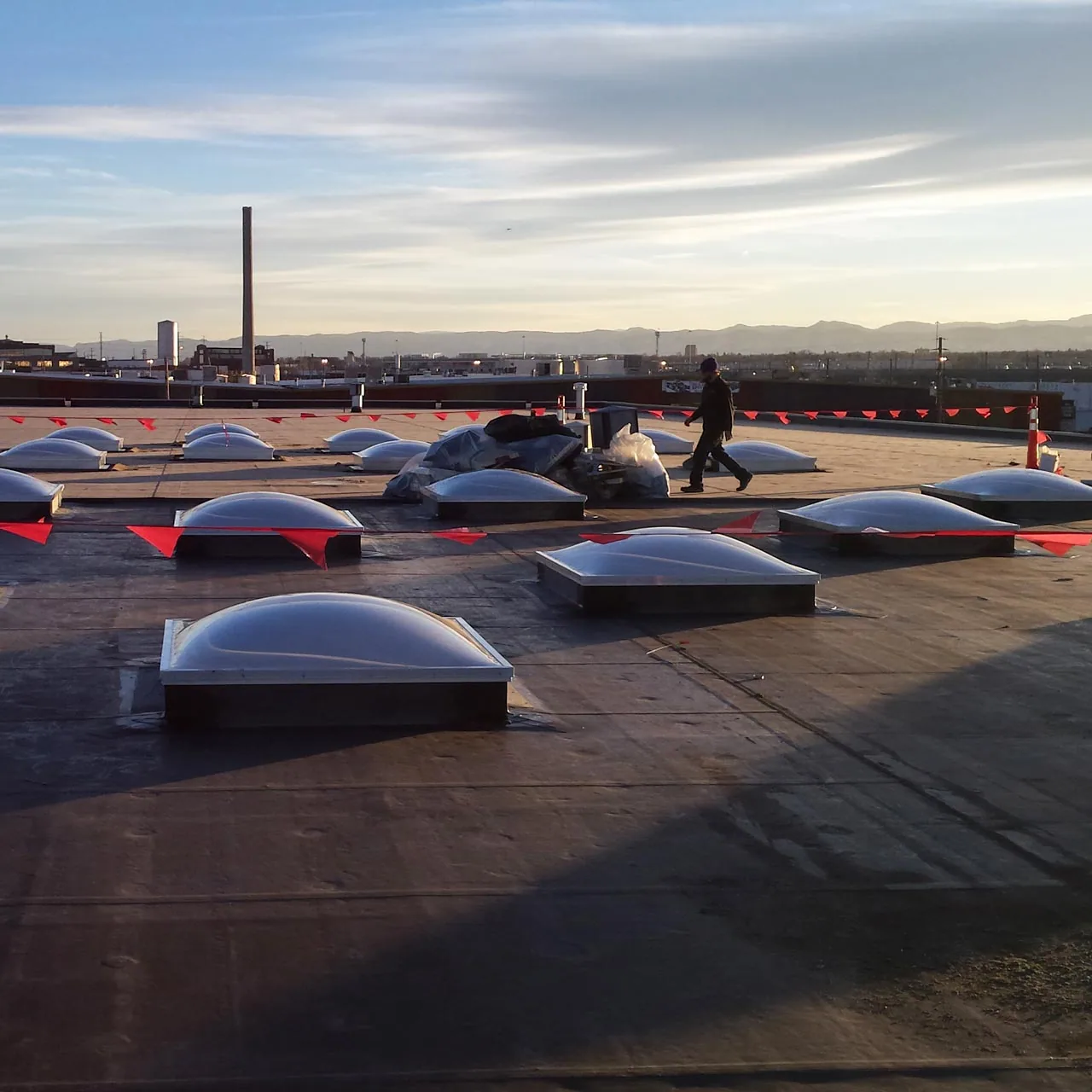 Document and Repair Storm Damage Request a roof assessment or call 555-555-5555. 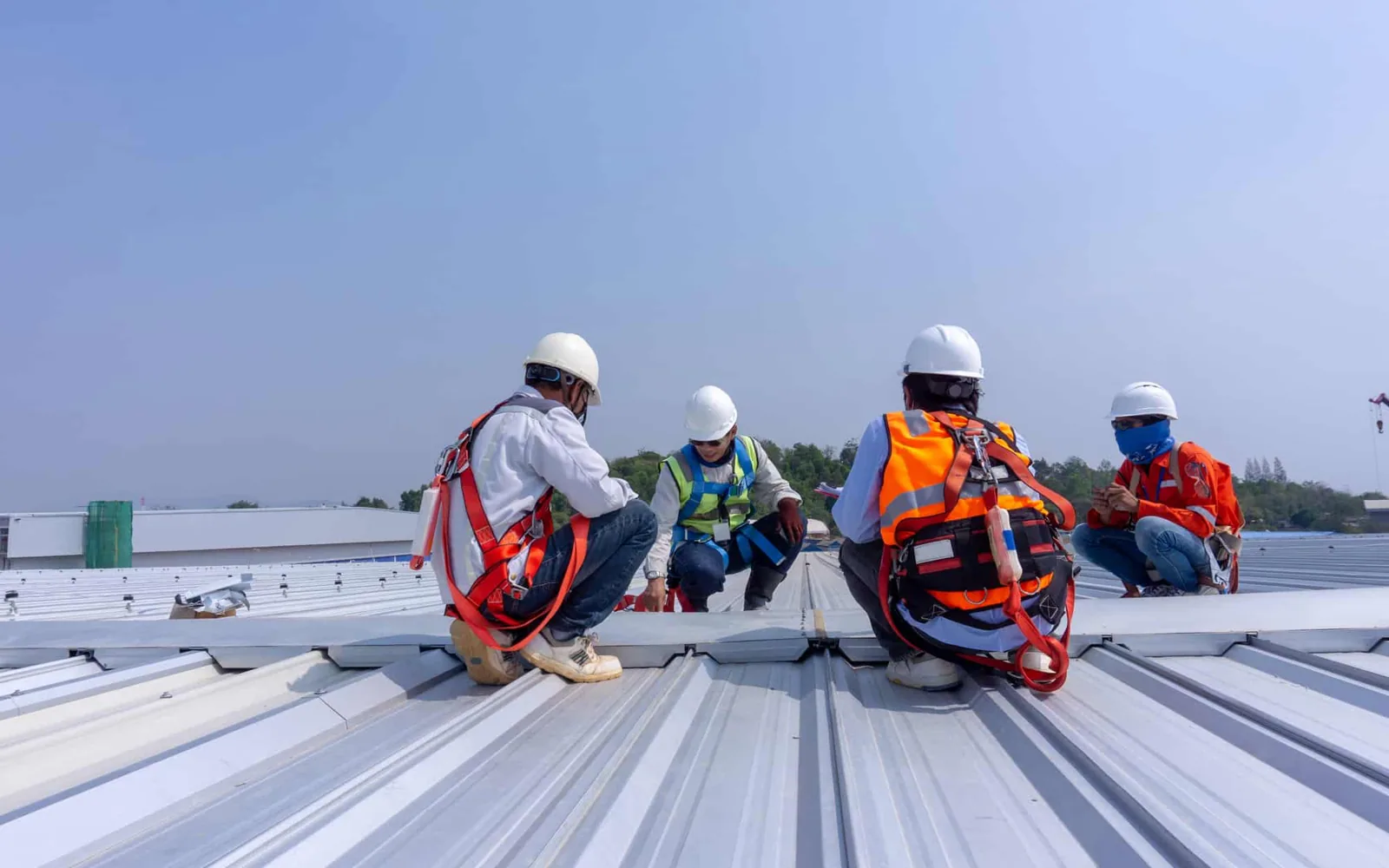 |
Limit Exposure First
An active opening needs attention before a full repair can be organized. We assess whether a temporary cover, membrane patch or other dry-in method can be secured safely to the roof. Wind, rain, surface moisture and the condition of the surrounding material affect the choice. We document the area protected and what remains exposed. If the roof cannot be accessed safely during current conditions, the facility team receives a clear account of the limit and next step.
Inside, the building contact may need to move inventory or equipment, mark wet floors and keep people away from a damaged ceiling area. Roof work above electrical systems or sensitive equipment requires coordination with facility staff. The Port of Vancouver supports freight and industrial tenants, so access routes and operating areas may need a defined boundary during emergency work. We coordinate roof access, staging and interior notification with the person responsible for the property.
Temporary protection is a short-term measure. Water may remain in insulation or move through the deck after the visible opening is covered. We explain when the temporary material should be checked and what conditions would require further response. Permanent repair follows once the roof is dry and the failed membrane, flashing, edge or drainage detail can be prepared. If the storm has affected a larger area, the work plan identifies what will be opened and closed during each shift.
Restore the Failed Detail
Repair method depends on the existing roof system and damage. A displaced edge needs secure attachment and a sound membrane termination. A torn membrane may need a compatible patch or replacement section tied into intact material. A failed lap requires a properly prepared seam. At a wall or curb, the new metal or membrane turn should carry water back over the field sheet with continuous laps at each change in plane. We describe the repair area and materials in the scope, including any wet insulation or damaged deck that needs removal.
Drainage is checked where water has collected. Debris removal can clear a blocked drain, but it does not correct a low roof section or a damaged bowl. Vancouver's occasional snow and freeze events make functional outlets important when water must leave the roof. We identify whether the issue is blockage, outlet damage, slope or a combination of details. Any work beyond the storm-related repair is listed separately so the owner can understand its cause and purpose.
If inspection finds broad deterioration, multiple open seams or widespread wet insulation, a local patch may not be the lasting scope. We compare defined roof repairs with a replacement evaluation based on the roof condition. Where only a small area is damaged and the surrounding assembly remains sound, localized work can restore the detail. Photos and marked findings show what supports the recommendation.
Keep the Event Record Clear
The closeout record identifies the inspection date, reported weather period, roof sections viewed, visible damage, temporary measures and completed repairs. Photographs show the location and condition before and after work when available. We note areas that could not be inspected and any condition that needs further testing. The record describes what we observed without assigning a cause beyond what the roof evidence supports.
If an insurance claim is being considered, keep the inspection record with event dates, interior photos, emergency invoices and prior roof reports. We can provide roof documentation for an insurance review, including photographs and a repair scope. A later maintenance visit can check repaired details and drainage after the next wet period. For properties near the Port of Vancouver industrial waterfront, labeled roof areas help facilities staff coordinate records across working buildings.
Commercial Roofing Questions
How can we tell whether wind damaged a commercial roof?
We look for physical evidence such as lifted edge metal, loose termination, displaced flashing, separated seams or punctures. We compare those findings with the reported weather period and prior records. A storm report by itself does not prove a roof defect came from that event. Our inspection photographs and marked locations show the conditions visible during the visit.
Should we repair the roof before the adjuster visits?
Active water entry should be protected when safe so further interior damage is limited. We document the condition before temporary work when access allows, then photograph the protection and note what it covers. Permanent repairs can be scoped after the damaged area is inspected. Keep the visit record and images with the claim file for review.
What if the roof was already worn before the storm?
We record storm-related observations separately from visible age, prior repairs or unrelated deterioration. The repair scope identifies the damaged detail and any existing condition that affects how it can be fixed. If those conditions overlap, we explain the evidence and what additional opening or testing could clarify the boundary.
Can your crew respond while rain is still falling?
We respond around the clock, but roof access and temporary protection depend on current safety and surface conditions. We assess whether a cover or dry-in can be secured without exposing workers to unsafe wind or slippery surfaces. If permanent repair must wait for a dry substrate, we document the interim protection and schedule the correction when conditions allow.
Document and Repair Storm Damage Send the Vancouver property address, building use, reported weather period and affected roof area. We will document visible conditions, identify active water paths and define temporary protection or permanent repair. Request a roof assessment or call 555-555-5555.