Military Warehouse and Depot Roofing in Vancouver, WA
Inspect and repair military warehouse and depot roofs near Vancouver with storage protection, access coordination, drainage review and section-level records. A wet patch above stored equipment can affect inventory before a leak reaches the aisle floor. We inspect and repair military warehouse and depot roofs serving Vancouver, WA, tracing the report to seams, penetrations, drains, equipment curbs and edge details. Camp Withycombe includes a supply depot, training facility and equipment repair facility, while its current state facilities plan lists storage and maintenance buildings. Roof assemblies there must be identified building by building before repair choices are made. The VA Portland Health Care System, Vancouver Campus also has logistics, maintenance, grounds and boiler-plant buildings within a multi-building setting. Each facility has its own access rules and operating contacts. We confirm the assigned building, storage limits and work window before entering. A military facility roof plan can coordinate those requirements, and a roof inspection records the visible condition. Protect the Stored MaterialWe ask which aisle, equipment bay or storage room has a report and whether sensitive stock sits below it. Water can move across a deck or within insulation, so the interior location guides the inspection but does not by itself identify the roof opening. We check the likely path at membrane seams, metal joints, curbs, penetrations, drains and wall transitions. Photos show the roof detail and its building location. If a leak is left through repeated rain, packaging, stored materials or powered equipment below can be affected. Staff can identify sensitive areas for temporary protection while we locate and correct the roof defect. Vancouver's wet cool season brings recurring rain. We inspect the path from roof low points to outlets and look for blockages, ponding or seam exposure. Winter wind can affect edge attachment and temporary covers. A blocked drain, open lap and wet insulation are different conditions. If moisture below the roof is suspected, we identify the test or opening that would help establish its extent before materials or stored items are moved. Warehouse operations may require forklifts, shelving, vehicle access or inventory controls. Facility staff identify aisles that must remain available and areas that need protection from overhead dust or water. We coordinate any ceiling opening or interior check with the site contact. Findings remain tied to the specific roof section, so a leak in one storage bay does not automatically define a depot-wide replacement area. | 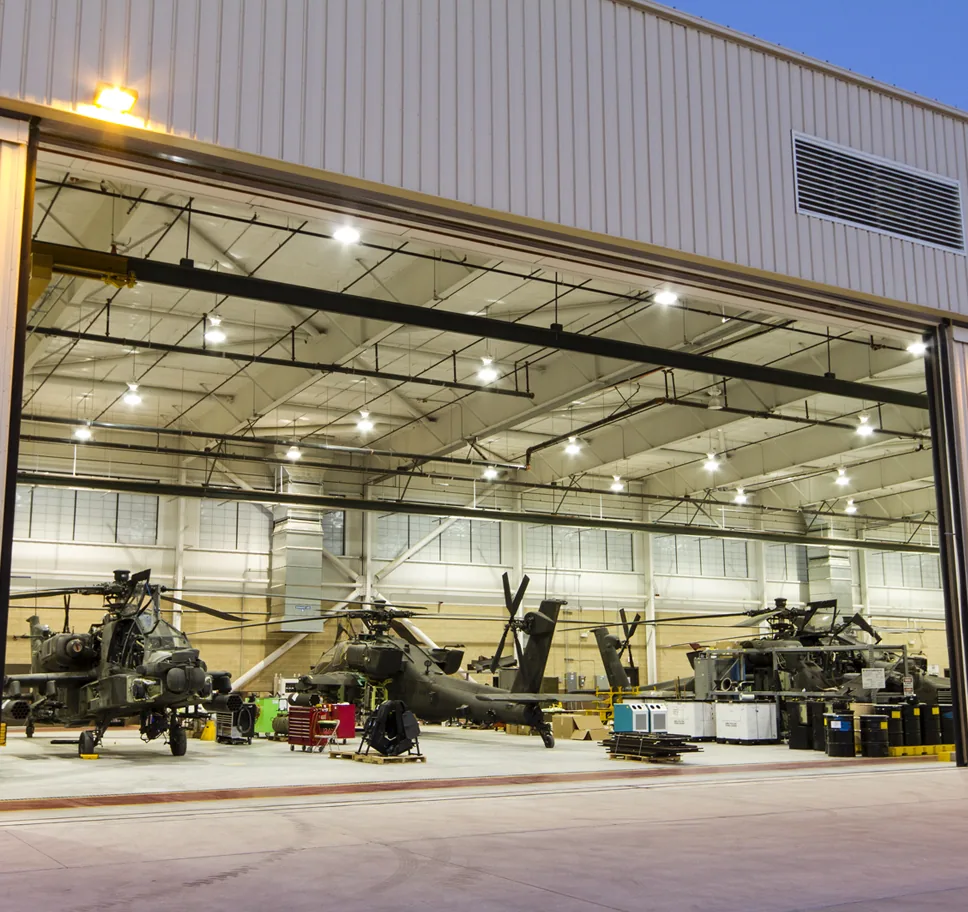 Schedule Depot Roof Service Request a roof assessment or call 555-555-5555. 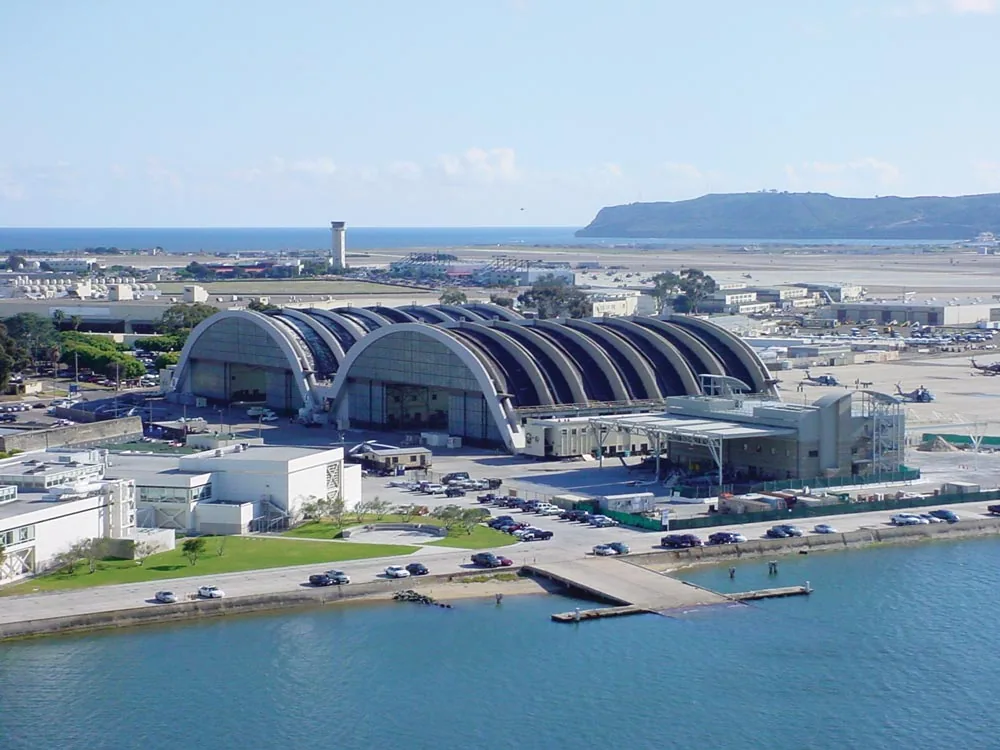 |
Coordinate Storage and Delivery Routes
Site staff set escorts, badges, delivery points, equipment restrictions and access hours. We confirm material staging and work routes before crews arrive. The schedule identifies which roof section is active, whether a loading route changes and what stored material needs protection. Staff retain control of inventory movement and security procedures while the roofing crew maintains the agreed work zone.
Roof removal requires a weatherproof closeout for each shift. Rain may alter the work sequence, and winter wind can affect edge installation or temporary cover stability. We plan the open area around what can be protected that day. A phased depot reroof can separate roof zones and provide staff with a record of each active section and its closeout condition.
Timing and cost depend on access, roof height, system type, layers, equipment, storage operations, wet insulation and deck condition. Material lifts and protected routes can also affect the sequence. We identify these drivers in the scope. Where roof access requires moving pallets, equipment or vehicles, staff define the safe path and the sequence for returning the area to service. We avoid building a staging plan from the aisle map alone when actual inventory changes by shift. If removal uncovers concealed damage, the facility contact receives photos and an explanation of the additional repair before the crew expands into another bay.
Choose a Repair or Broader Replacement
A puncture or isolated seam problem may support a local repair if the surrounding roof and insulation remain serviceable. Repeated reports, widespread moisture or deteriorated attachment can call for further testing or replacement. We compare the evidence with recover and removal options. A recover assessment checks whether the existing roof is dry and stable enough to remain beneath a new layer.
We identify the system before selecting repair materials. A modified bitumen roof requires different seam and flashing methods from TPO, PVC, EPDM or metal roofing. The work scope includes drains, curbs, edges and wall connections where they relate to the leak. It also notes any temporary protection that should remain until a permanent correction is installed. If a roof section serves both storage and maintenance work, we label the boundaries that apply to each operation so staff can route access and protection correctly.
Military warehouses and barracks both need clear access planning, but the use below the roof differs. A barracks roof inspection may coordinate sleeping quarters and resident access, while an Army installation roof scope can include depot, training and maintenance buildings. A multi-site roof record helps track separate facilities and open work without merging their conditions.
Track Repairs by Building and Bay
Closeout lists the building, roof section, completed repair, photos and remaining follow-up. Temporary protection is marked separately, and areas not reached stay on the inspection list. Staff can connect the roof record to an inventory or maintenance location and refer to the same aisle or equipment bay during a later visit. This keeps roof access and inventory handling coordinated across shifts.
Planned maintenance can check outlets, seams, flashing, penetrations and edge attachment before Vancouver's wet season. Provide the facility address, warehouse or depot name, affected bay, access contact and delivery limits. For local multi-building service-area context, the Vancouver VA Campus area has mapped institutional properties; site personnel define the warehouse's own work routes and entry procedures. We confirm what each inspection will cover before scheduling.
Commercial Roofing Questions
How do you protect supplies during a depot roof repair?
The facility contact identifies stock, equipment and aisles that need protection or continued access. We coordinate the roof work limit, interior protection and any loading restriction before starting. The record names the affected bay and any temporary measure left in place.
Can you inspect around secured inventory?
Staff set escort, inventory and access rules for each storage area. We inspect roof sections that are accessible and list any deferred area. If interior confirmation is needed, the facility arranges access through its own procedures.
What indicates the problem extends beyond one roof bay?
Multiple leak reports, wet insulation, open seams or failing attachment can indicate a broader condition. We inspect adjacent roof details and document the extent visible. Testing or a controlled opening may be needed before the facility sets a larger scope.
What should be included in the closeout record?
The report should name the building and roof section, show photos, list work completed and identify open follow-up. We state whether protection is temporary and note any access limit. Staff can file it with the inventory area's maintenance history.
Schedule Depot Roof Service Send the Vancouver-area installation address, building name, affected storage bay, access procedure and delivery limits. We will inspect the assigned roof areas and document the next action. Request a roof assessment or call 555-555-5555.