Cool Roof Installation in Vancouver, WA
Install reflective commercial roofing in Vancouver, WA. We assess the existing assembly, drainage and building needs before selecting a cool roof system. A reflective roof can reduce the amount of solar energy absorbed at the surface, but it still needs a sound substrate, secure seams and clear drainage. We install cool roofing systems on commercial buildings in Vancouver, WA, after checking the existing assembly, roof details and building requirements. Vancouver's weather includes occasional summer highs near 100 degrees, followed by wet cool seasons. A reflective finish addresses heat exposure, while the roof still has to manage rain through the rest of the year. Clark College and Central Park form an institutional district with nearby public facilities and neighborhood-serving businesses. The Vancouver Mall District includes a major retail property and surrounding commercial uses. Roof design, occupancy and access differ across those settings. A commercial roof inspection establishes the existing condition before an installation approach is selected. Decide Whether Reflective Roofing FitsReflective roofing uses a surface that returns more sunlight than a darker surface. The expected effect depends on roof assembly, insulation, ventilation, building operation, HVAC performance and the amount of roof area exposed to sun. We review the owner's goals and the existing roof condition rather than treating color as the only design decision. A reflective surface does not correct wet insulation, poor drainage or loose attachment. Some existing roofs may support a compatible coating or recover, while others need removal before a new system can be installed. We inspect seams, flashing, penetrations, drains, edges and previous repairs. If moisture is suspected below the membrane, an infrared moisture survey or test opening may help define the material that must be removed. The report identifies how those results would affect the scope. Vancouver's climate is maritime rather than desert, with wet cool periods and warmer, drier summers. A roof needs year-round drainage and reliable transitions as well as solar reflectance. At a campus such as Clark College, work planning may account for classrooms, labs and support buildings. A mall property may need coordination with tenants, deliveries and customer access. Those local building contexts are relevant to scheduling, not evidence of a specific roof type. If a coating is proposed, we confirm whether the existing membrane accepts the material and what preparation the surface needs. A coating cannot serve as a structural repair or dry out trapped moisture. It must be applied at the specified thickness and conditions, with seams and flashing corrected as required. If the existing assembly is not suitable, a new membrane or replacement may be the more appropriate scope. | 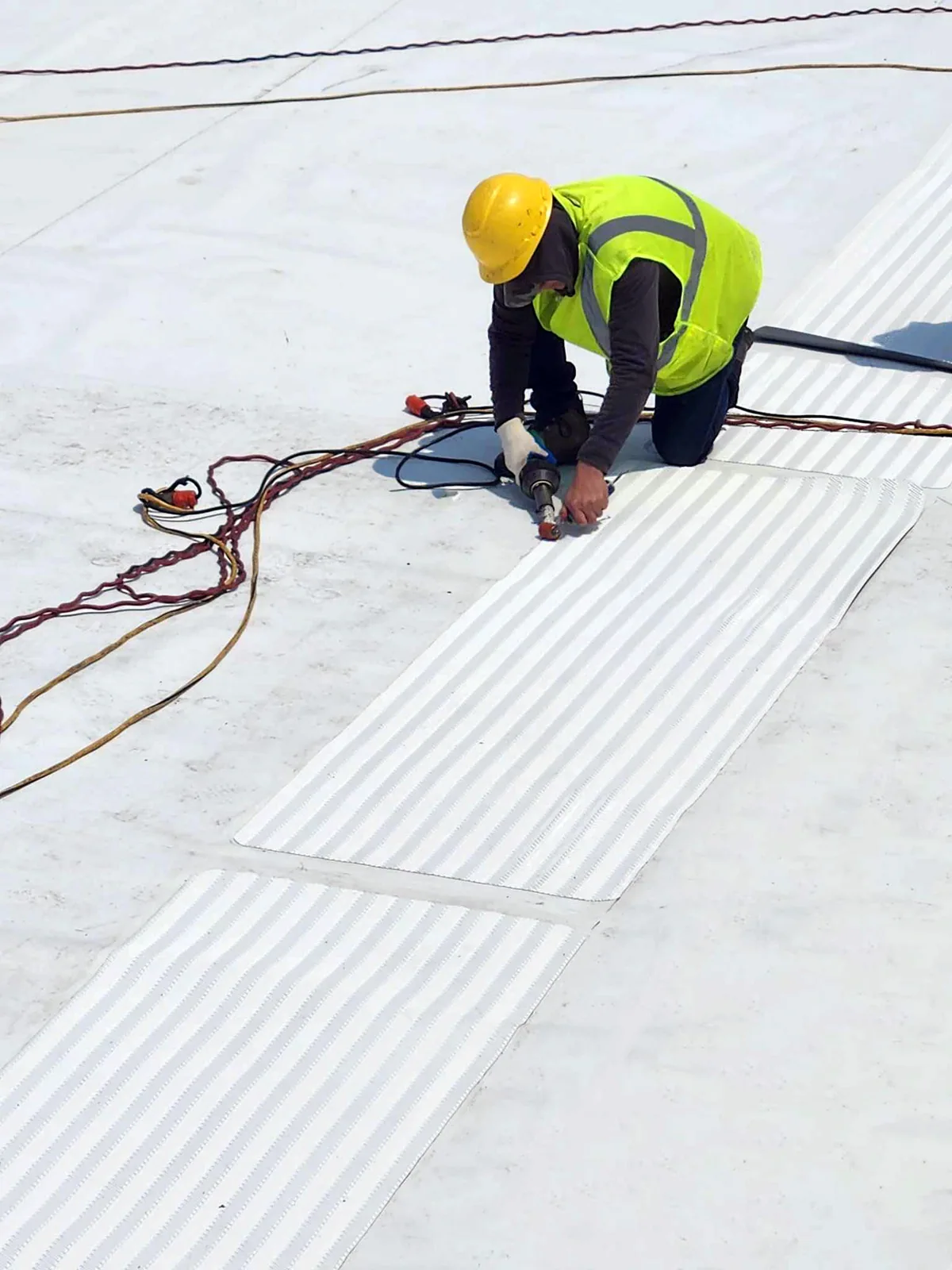 Plan a Reflective Roof Installation Request a roof assessment or call 555-555-5555. 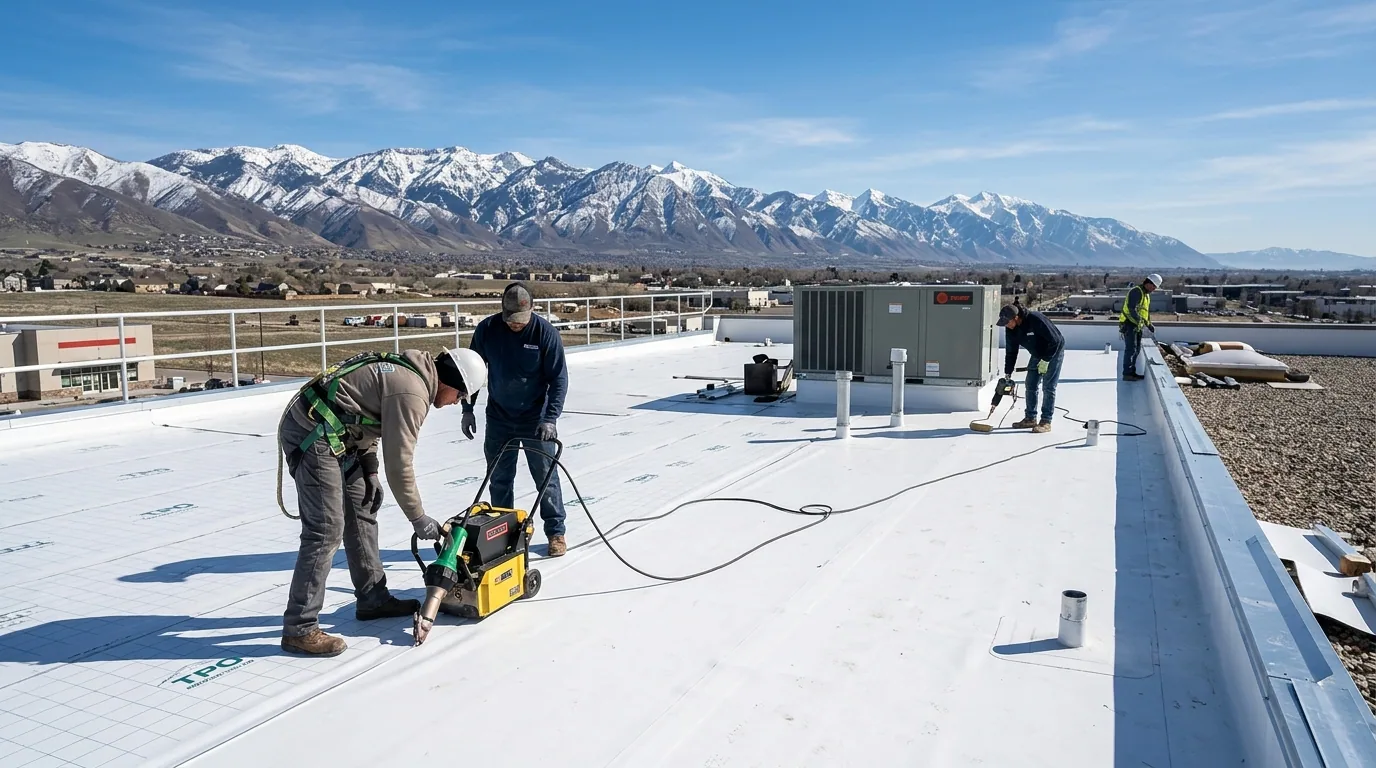 |
Check the Roof Before Installation
We map accessible roof sections and identify the membrane, insulation, drains, curbs, wall transitions and rooftop equipment. Any soft area, blister, open lap or wet material is recorded. If the roof plan and visible conditions differ, we note that before installation details are finalized. The owner can then decide whether to investigate further or include removal and substrate repairs in the project.
Drainage matters on a reflective roof because the finish does not change slope or clear an obstructed outlet. We inspect scuppers, drains and water routes, noting ponding evidence and low spots. Vancouver's recurring rain can keep a restricted area wet and test seams or flashing. A drain and scupper service may address a damaged outlet, while a ponding-water review considers whether slope or another roof condition is involved.
Equipment supports, penetrations and edge details are checked because they interrupt the roof field and need compatible flashing. A curb and equipment support inspection can define a separate detail repair before the reflective surface is installed. If equipment is being replaced, we coordinate with the mechanical contact so the final roof connection is not left for later.
A cool-roof project should review reflectivity, substrate and any regulated assembly changes together, then confirm which Vancouver requirements apply to its scope. Project-specific code review, energy requirements and design decisions should be confirmed with the responsible design professional and building officials. Our installation scope follows the approved project documents and site conditions.
Prepare and Install the Chosen System
Installation starts with surface preparation and repair of details included in the scope. Loose material and unsound layers are removed as specified. The substrate is checked before the new system is placed. A membrane installation may use adhered, mechanically attached or other approved methods, depending on the design. A coating project requires compatible preparation, reinforcement at details where specified and controlled application conditions.
We identify the product and assembly in the proposal, including insulation, cover board, membrane or coating, flashing and edge work. Compatibility and manufacturer installation instructions guide the materials. The project record does not rely on a broad label like cool roof when the specific system and surface matter. A new membrane system or reflective coating restoration may suit a project when existing conditions and design support it.
Cost and timing depend on roof area, access, tear-off, insulation, equipment, surface preparation, moisture and deck repairs. Material staging and weather can influence the schedule. We coordinate work hours, building access and daily dry-in with facility staff. Rain or a damp substrate may require a pause, and each open area is protected before the crew leaves.
Keep the Roof Performing After Turnover
After installation, the owner receives a record of completed areas, system materials, photos, and any remaining item. The facilities team can retain approved product documentation and inspection notes with building records. A reflective roof still needs drains kept clear, seams and flashing checked, and equipment work coordinated to protect the membrane.
A preventive maintenance visit can check drainage and visible details after the first wet season. A roof capital plan can organize future repairs across multiple properties. This helps distinguish a new penetration or service issue from a condition noted during the original project. We state what can be corrected and what additional investigation is needed.
Keep System Details With the Building
Closeout identifies the property, roof areas, system installed, relevant details, photographs and access limitations. It records any testing or substrate work and lists items that remain under review. The property team can use consistent roof labels to compare future maintenance visits with installation records.
Commercial Roofing Questions
Will a reflective roof lower our building's cooling demand?
A reflective surface can reduce solar absorption, but the effect depends on the existing assembly, insulation, building operation and HVAC performance. We can assess roof conditions and coordinate project goals with the design team.
Could a reflective coating restore this roof without a new membrane?
A coating is suitable only when membrane compatibility, attachment, moisture, surface condition and details support it. We inspect those conditions before recommending restoration or removal.
Does a cool roof solve ponding water?
No. Reflective finish does not change slope or repair a blocked or damaged drain. We assess the drainage route separately and include any correction needed in the project scope.
What documents should be confirmed before installation?
The project should identify the roof assembly, insulation, flashing, edge conditions, drainage and access plan. Applicable code and energy requirements should be reviewed with the responsible designer and building officials.
Plan a Reflective Roof Installation Share the Vancouver property address, building use, existing roof records and goals for the project. We will inspect the assembly and define installation or repair requirements. Request a roof assessment or call 555-555-5555.