Commercial Roofing at Clark College and Central Park, Vancouver, WA
Inspect and plan commercial roof work at Clark College and Central Park in Vancouver, WA. We coordinate by building use and roof condition. Clark College's main campus is in Vancouver's Central Park neighborhood and serves about 14,000 students. Nursing, dental hygiene, industrial arts and culinary arts are among the programs listed by the city. Roof service on an institutional campus needs a clear building identifier, access contact and work sequence. We inspect the roof area tied to the reported condition and coordinate around the activity below it. Central Park is an institutional district with the college, public facilities and nearby neighborhood-serving businesses. A commercial roof inspection documents what can be seen on the specific building rather than treating the whole district as one roof system. Set the Inspection Around Campus UseA roof request should identify the building and the room or area where a concern appeared. We confirm roof access with the campus contact, then trace the interior report through seams, penetrations, curbs, walls, roof edges and drainage. A leak can travel before it shows on a ceiling. We photograph the roof detail and record its location so facilities staff can match the finding to the right building record. The college's programs include nursing, dental hygiene, industrial arts and culinary arts. Those functions do not establish any roof layout, but they make it useful to ask which building is involved and what work below must continue during repairs. We coordinate notice, access, material staging and interior protection with the responsible contact. The approved work window is confirmed before mobilization. Clark College serves about 14,000 students, and Central Park includes public facilities and nearby neighborhood-serving businesses. We do not assume all those users occupy one building or that a reported leak affects a particular program. The campus contact clarifies which area is in scope. For a multi-building request, each roof section receives separate notes and photos. Available drawings, prior work records and warranty papers can help identify the assembly. We check membrane markings and visible details but do not infer a roof system from the building's educational use. If concealed insulation, attachment or deck condition could affect the recommendation, a test opening may be needed before the repair boundary is final. | 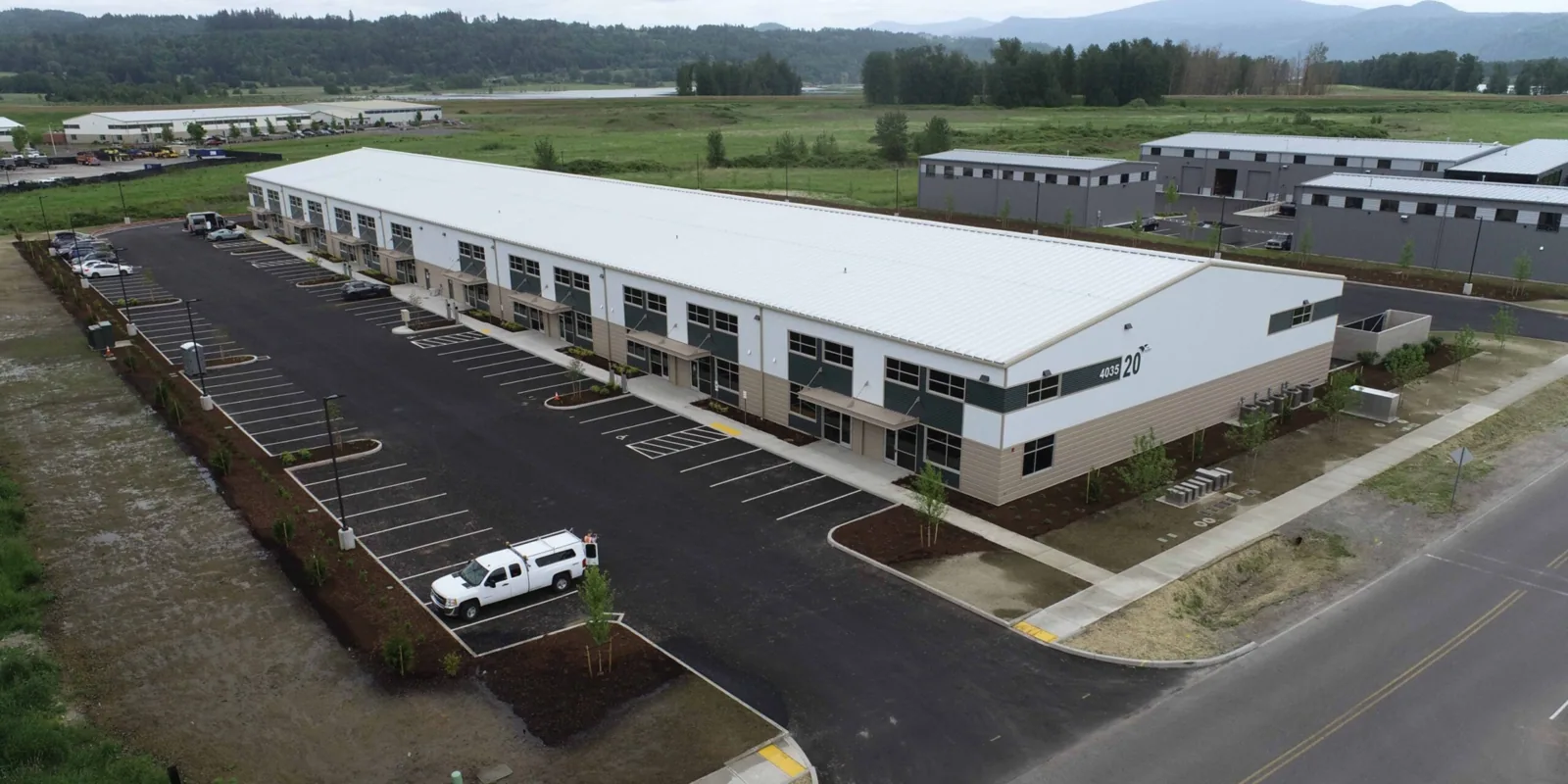 Coordinate Clark College Roof Service Request a roof assessment or call 555-555-5555. 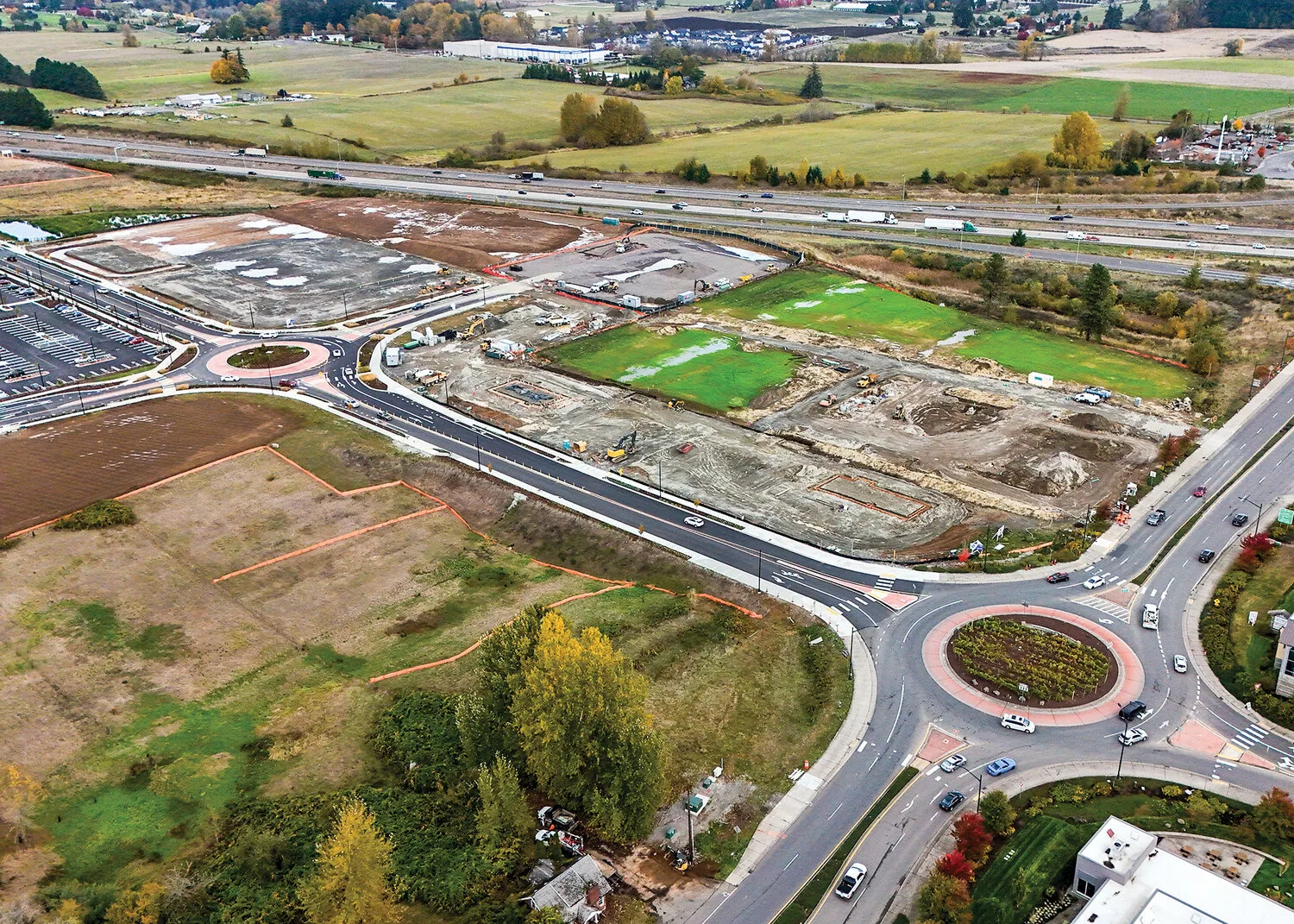 |
Check Penetrations, Edges and Flow
We inspect accessible seams, flashing, curbs, pipe penetrations, roof edges and existing patches. At a rooftop unit, the curb connection should keep the flashing integrated with the field membrane. At a wall, we look for open transitions or loose counterflashing. At the perimeter, we check metal laps and attachment. Each defect gets a precise location so repair work can be limited to the observed condition. If an opening serves ventilation or other building equipment, we inspect the curb, support and flashing around it. The inspection records the condition without assuming what is installed inside or how the equipment is used. The facilities contact can confirm whether a shutdown or access restriction applies.
Drains and overflow paths are reviewed for visible blockage, debris and water marks. Vancouver's wet cool season brings recurring rain, and winter wind can affect edges and flashing. Seasonal weather helps set timing, but inspection evidence establishes the repair need. These market conditions guide planning; the inspection confirms what needs work on the campus building.
When the water path is not clear, we compare the interior report with roof details and nearby drainage. An infrared moisture survey may help identify locations for confirmation if the surface and weather conditions are suitable. It does not prove the full extent of concealed moisture. A test opening can verify wet insulation or deck material if those findings would change the scope.
At a Vancouver address, the project team should apply the city’s code adoption to the proposed scope; insulation changes and assembly choices can affect that review. Permit and energy provisions depend on the work proposed.
Protect Learning and Public Spaces
A localized repair may be feasible when surrounding material and substrate remain suitable. We identify the affected seam, flashing or penetration, prepare the surface and install compatible materials. If multiple areas show damage or moisture extends beneath the membrane, testing may be needed before work expands. The scope should say what is confirmed and how additional findings will be reviewed.
A roof recover evaluation traces the membrane layers and attachment, then tests suspect insulation and deck before another layer is proposed. A commercial roof replacement plan can set removal limits, insulation, flashing, edge work and temporary protection. We coordinate the work sequence with campus operations and preserve access to inspection points before new materials cover them.
A water report at a school or campus property should include the room, occupancy window and contact who can authorize roof access. We coordinate those details before discussing a temporary measure or a lasting repair. For active water entry, we assess safe access and the interior impact, then consider temporary protection. We record the temporary measure and the permanent repair still due. When rain, wet surfaces or restricted access prevent a lasting connection, we explain the return conditions and timing.
Cost and schedule depend on roof height, access, material staging, work windows, repair area, removal depth and concealed conditions. At an occupied campus, notice and protection below may affect how work is sequenced. We confirm which facilities need coordination and include those assumptions in the written scope.
Give Facilities a Useful Roof Record
Closeout identifies the building, roof section, observed condition, repair completed, photos and follow-up actions. Product information is noted when it can be verified. A preventive roof maintenance visit can keep accessible seams, penetrations, edges and drains in the campus service record and show changes over later visits.
The Vancouver VA Campus is another multi-building healthcare campus. Hough, Uptown and Officers Row includes public-facing commercial uses and civic facilities, while Esther Short and Downtown Vancouver contains municipal and visitor activity. We keep observations specific to Clark College and Central Park.
To request an assessment, provide the campus building, reported issue, access contact, preferred work window and any available roof records. Commercial Roofers Vancouver will plan around the correct roof area and document the findings for facilities review.
Commercial Roofing Questions
Can roof work be planned around classes or campus programs?
We coordinate access and work windows with the campus contact. The affected building, interior space and repair detail determine what notice and protection are needed.
Does Clark College's program list tell you which roofs need repair?
No. The programs describe campus activity, not roof condition. We inspect the identified building and use its records and field evidence to set scope.
Can one roof inspection cover all Central Park properties?
A visit can include multiple properties if they are identified in the scope. Findings are documented by building and roof section so a campus observation is not applied to unrelated addresses.
What can confirm moisture below a campus roof?
A moisture survey may help target areas for testing under suitable conditions. A test opening can confirm the insulation or deck where that information affects the repair plan.
Coordinate Clark College Roof Service Share the building identifier, reported condition, facilities contact and access window. We will focus the assessment on the appropriate roof area. Request a roof assessment or call 555-555-5555.