Commercial Roof Edge Metal, Coping and Gutters in Vancouver, WA
Repair commercial roof edge metal, coping, gutters and downspouts in Vancouver. We check attachment, flashing, drainage and water paths at the perimeter. A loose coping joint at a parapet can let wind-driven rain reach the roof edge and wall. In Vancouver, WA, we inspect edge metal, coping, gutters and downspouts where the roof surface meets the building perimeter. We check attachment, laps, sealant, flashing and the route that carries water away. The Fourth Plain International District connects downtown with Vancouver Mall and has active commercial storefronts. Roof work there may need to protect entries and coordinate access along a working corridor. Perimeter details can fail through loose fasteners, separated joints, corrosion, blocked gutters or an open membrane transition. We mark each condition and determine whether water is entering through the edge or backing up from drainage. A wind damage inspection can document lifted metal and attachment concerns. When a seam or flashing connection is open, a roof repair can restore the edge transition with compatible materials. Check the Roof PerimeterWe inspect coping caps, joints, cleats, fasteners, fascia metal, gutters, downspouts and the membrane terminations behind them. At parapets, the cap should shed water over the wall rather than funnel it into a joint. We look for loose sections, open seams, missing securement, failed sealant and staining below the edge. A metal cap may appear intact from the roof but have a weak connection at a splice or corner. We photograph those transitions and show how the water path could reach the building. Vancouver's winter wind and rain can press on exposed roof edges and test coping joints. A gap at a corner or loose cleat may allow movement that grows with repeated weather. We check the roof membrane attachment below the metal and note whether the edge detail ties into the field system. If membrane has pulled back, replacing only the cap may leave the water path open. We identify how the metal and membrane connect before setting the repair boundary. Gutters and downspouts have to accept water from the roof and discharge it without spilling against the wall or foundation. We look for debris, separated gutter joints, sagging sections, damaged outlets and disconnected leaders. A blocked downspout can cause water to back up and overflow at the fascia. Where the roof has scuppers or interior drains, we compare those routes with the perimeter system so the repair does not close an overflow path. | 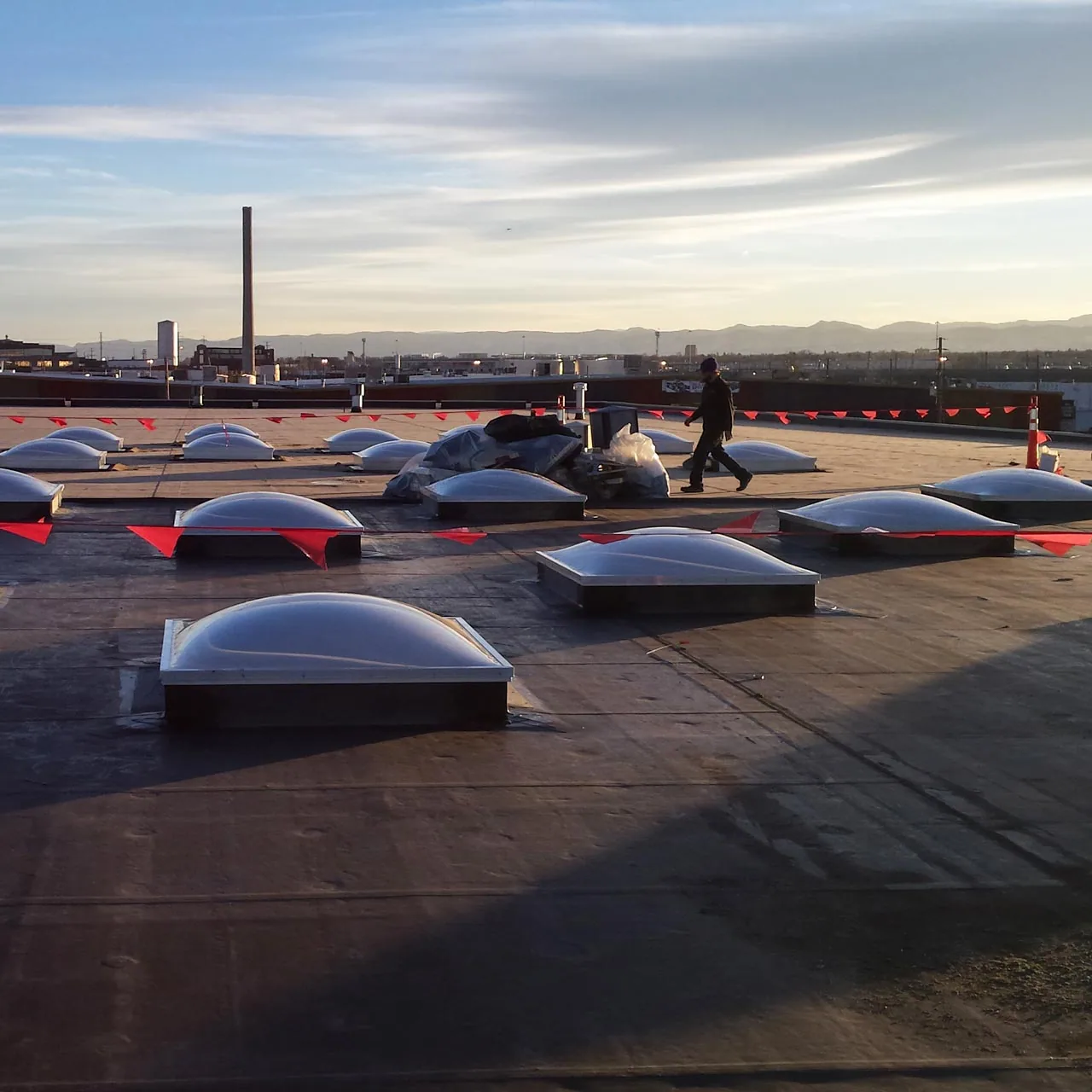 Repair a Commercial Roof Edge Request a roof assessment or call 555-555-5555. 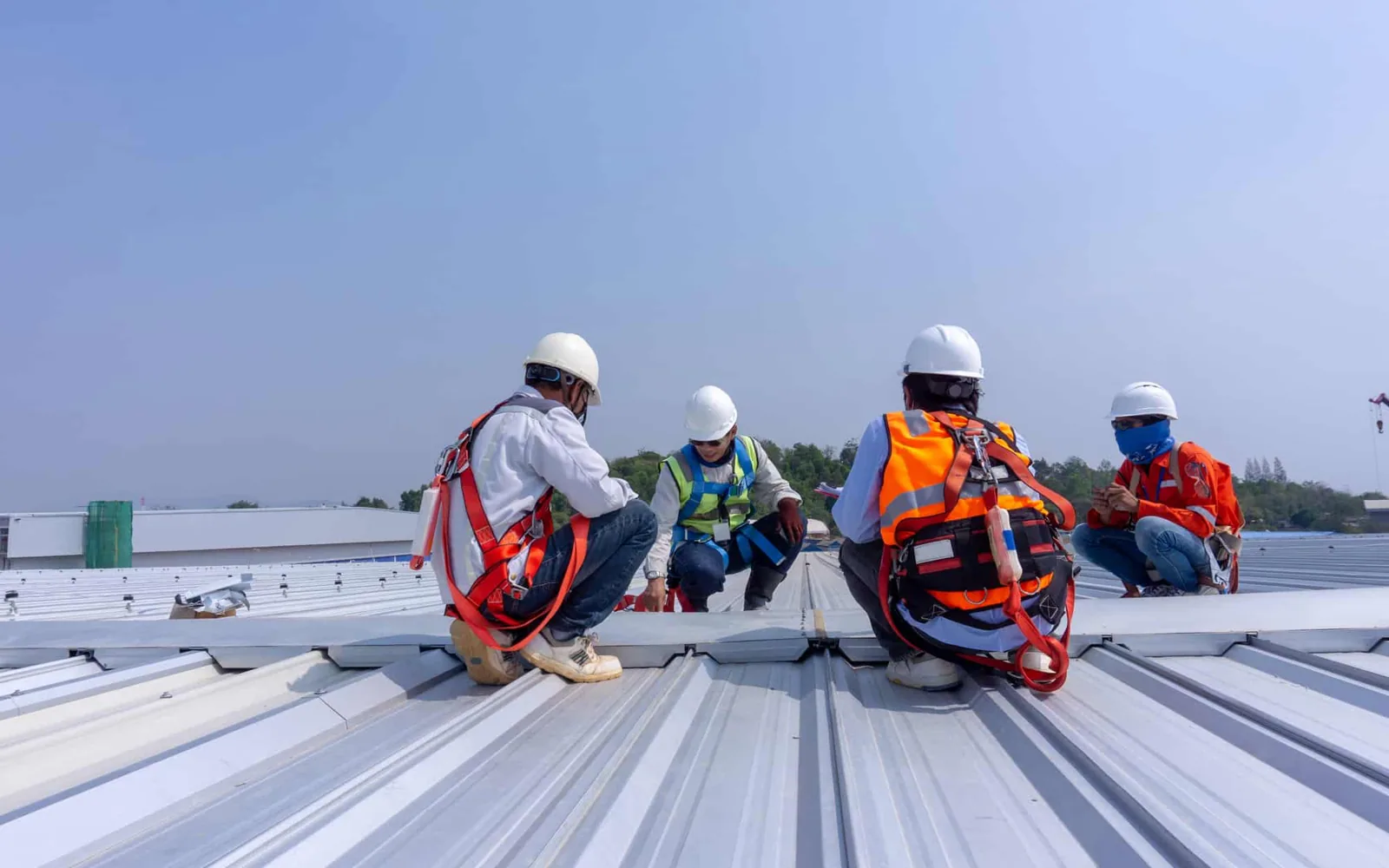 |
Match the Repair to the Failure
A loose fastener or short open joint may need a localized repair. A damaged cleat, failed splice or widespread movement can require longer sections of edge metal to be removed and reset. We inspect the substrate and attachment points before recommending that work. If corrosion or damaged wood prevents a secure connection, those conditions need correction as part of the scope. We do not rely on surface sealant to hold a cap that moves under wind pressure.
The roof type also affects the edge transition. Single-ply membrane, modified bitumen, built-up roofing and metal roofs use different termination details. A standing seam metal system sheds water through formed panels and seams, while a low-slope membrane often turns up at a parapet and ties beneath the coping. We identify the existing system and specify how the repair meets it. Drainage, attachment and thermal movement at the metal should remain compatible with the roof assembly.
Some edge problems are actually drainage problems. Water may overflow because a gutter is blocked, a downspout is disconnected or a roof low spot directs water toward the wrong outlet. We check the whole route and note where a drain or scupper repair may be needed. For persistent ponding near the perimeter, a ponding assessment can help distinguish the outlet from the roof slope or deck condition.
Secure the Edge Connection
Repair begins with safe access to the perimeter and protection of the area below. We remove loose metal or failed material as needed, prepare the substrate and establish a sound attachment. New or reset coping must connect at joints and corners without leaving gaps that collect water. The membrane termination below the cap needs a compatible tie-in. Where gutter sections are replaced, joints and outlets must carry water into the downspout rather than discharge behind the fascia.
Material selection considers existing metal, substrate and exposure. Coated steel and aluminum have different forming and connection details. Sealants should suit the metal and movement at the joint. A continuous gutter may need properly placed expansion joints, hangers and an outlet sized for the existing drainage arrangement. The proposal explains what sections are replaced, what remains and whether adjacent membrane or fascia work is included.
Vancouver has wet months with winter rain and wind. We sequence edge work so open membrane or wall transitions are protected by the end of the work period. For a commercial property near SR 14 along the Columbia River, deliveries and work areas can be coordinated with the building contact and access constraints. If damaged metal is part of a larger failed roof assembly, we can compare an edge repair with a roof replacement assessment that addresses the entire termination.
Keep Water Moving Away
After repair, we check the perimeter transition, fasteners, coping joints, gutter seams and downspout connections. We clear debris from the repaired route and note any outlet or low area that remains for attention. Photos document the completed detail and give maintenance staff a reference. If water continues to spill after rainfall, the record can direct the next inspection toward a blocked outlet, poor slope or roof area feeding the gutter.
Service work, signage installation and other roof access can disturb edge metal or leave debris in the gutter. Regular maintenance can spot loose fasteners, open joints and blocked downspouts before water enters at the wall. A maintenance inspection can include the perimeter route and roof outlets. At the Fourth Plain International District, we plan access with the property contact so repairs around storefronts and service doors can be sequenced safely.
Cost and timing depend on roof height, access equipment, length of damaged edge, metal profile, substrate condition and whether membrane or fascia work is needed. Gutter cleaning differs from replacing a section, and resetting coping differs from rebuilding an attachment. We define those tasks separately and identify any concealed condition that needs confirmation after the metal is opened.
Commercial Roofing Questions
Why is water getting behind the coping when the cap looks intact?
A splice, corner, cleat or membrane termination can open without an obvious break across the cap surface. Wind movement may loosen a connection, and water can enter at the joint then travel behind the metal. We inspect the full edge assembly, including the membrane tie-in and wall below, and mark the specific path that needs repair.
Can you fix a leaking gutter without changing the roof membrane?
Yes, when the leak is limited to a gutter seam, outlet or downspout connection and the roof edge membrane remains sound. We check where the gutter meets fascia and roof flashing before setting the repair boundary. If the membrane has separated or water is entering behind the edge, that connection also needs correction.
What happens if a downspout is separated from the gutter?
Water can spill at the outlet or run down the wall instead of following the intended discharge path. We inspect the outlet, joints, brackets and visible downspout connection, then secure or replace damaged components as scoped. We also check for overflow stains that may indicate a blockage farther along the route.
Does every loose coping section need full replacement?
No. A short section may be repairable if the metal profile and attachment points remain sound. We check adjacent joints, cleats and substrate to see whether the movement is isolated. If several sections are loose or the base is deteriorated, a broader replacement scope may provide a more secure connection.
Repair a Commercial Roof Edge Send the Vancouver property address, building use and the location of leaking or loose coping, gutter or downspout details. We will trace the perimeter water route, document the condition and outline the repair scope. Request a roof assessment or call 555-555-5555.