Auto Dealership Roofing in Vancouver, WA
Inspect and repair Vancouver dealership roofs with attention to showroom protection, service bays, rooftop equipment and customer access. A drip above a showroom vehicle can disrupt sales, while water over a service bay may affect tools or electrical equipment. We inspect and repair auto dealership roofs in Vancouver, WA, tracing reports to the roof section above and around them. We check membrane seams, exhausts, curbs, drains, skylights and edge details. The dealership receives labeled photos and a scope that separates immediate protection from permanent work. We mark whether the water is near a sales display, parts area or shop equipment so the manager can set the right interior protection and direct staff around the affected space. Vancouver's Port supports automotive distribution among other industrial uses, while Fisher's Landing and Mill Plain have commercial businesses serving the east side. Those settings involve different vehicle and delivery routes. We confirm the individual dealership's operating schedule, service lanes and material access before planning work. A dealership roof inspection can establish visible conditions, and emergency roof service can respond to active water entry when conditions permit. Separate Showroom and Service FindingsWe begin with the area affected: showroom, parts counter, office or service bay. A dealership may contain different interior zones under one roof, each with its own operations and equipment. We inspect the roof above the report and nearby details instead of assuming the opening lies directly over the water mark. Water may travel across a deck or through insulation before appearing on the ceiling. Service areas can have exhaust ducts, rooftop equipment and penetrations that need sealed flashing. We check the curb, membrane connection and nearby seams, then look at roof drainage and edge attachment. Vancouver's wet season brings recurring rain that can expose a low drain route or weak transition. Winter wind can affect metal edge details. We label the observed condition and note if additional testing is needed before the dealership chooses a larger repair. That record also helps compare future reports with the same roof section and avoids repeating work that has already been completed. Vehicle display areas may have skylights or tall roof transitions, if present. We inspect their flashing and surrounding membrane. A service lane may need a different work limit from a sales floor because lifts, vehicles or repair activity occupy the space below. The facility contact identifies equipment and safety controls. We document the exact roof section so staff can keep the report with the affected department. | 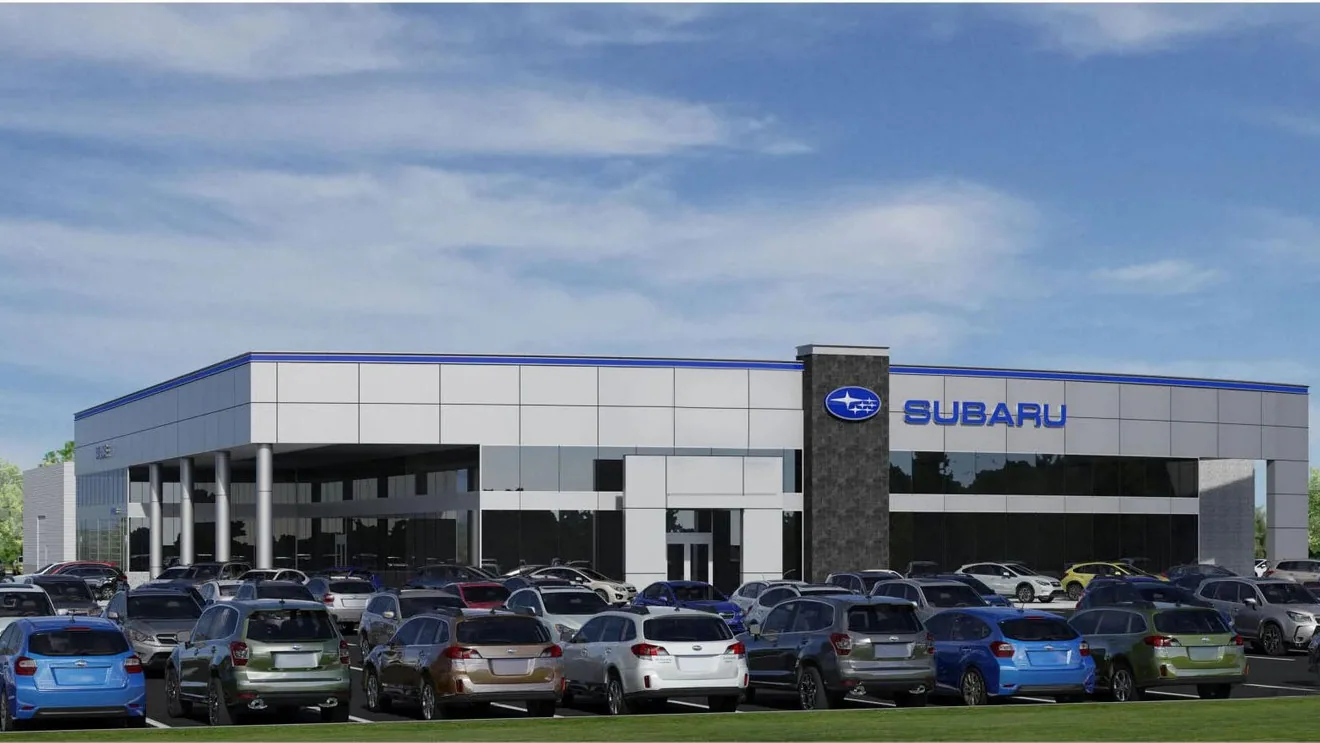 Arrange Dealership Roof Service Request a roof assessment or call 555-555-5555.  |
Maintain Customer and Shop Access
We coordinate roof access, material delivery, noise and any interior protection with the dealership manager. Sales appointments, vehicle receiving, parts deliveries and service hours can affect the work window. The plan names the active roof area and any customer entrance or shop lane that may be restricted. Management determines how vehicles are moved or secured below the work.
When a roof is opened, the crew limits the section and closes it with a dry-in before leaving. Rain can interrupt installation, and winter wind can complicate exposed edge work. We include forecast conditions and access logistics in the sequence. A phased dealership reroof can move through roof areas over planned shifts, with staff informed about each day's limits and closeout.
Duration and cost depend on roof layers, access height, equipment density, drainage, moisture below the membrane and any damaged deck. A shutdown or change to service-bay access can also affect timing. We identify those factors before setting a schedule. If removal uncovers wet insulation or a deck issue, the manager receives photos and a description of the additional work before the scope expands. A smaller repair window can help preserve customer parking and service capacity, but it should still allow the crew to secure the roof before leaving. If a water report is delayed, moisture can affect more ceiling material, stock or equipment below, so staff should record the first location and any change after rain.
Choose the Work by Roof Condition
A puncture or loose equipment flashing may support a localized repair if nearby materials remain sound. Repeated leaks or wet insulation can require additional testing or removal. We compare repair, recover and replacement using the existing assembly and visible evidence. A recover review checks whether the roof is sufficiently dry and stable to accept a new layer. Covering a damp assembly can leave moisture in place.
We identify the existing roof system before selecting repair materials. A metal roof retrofit may be considered for some buildings, while others need a membrane replacement or repair. The recommendation includes drains, curbs, skylights, wall connections and roof edges. Equipment service access remains in the plan so future maintenance does not create an avoidable membrane opening.
Dealerships share customer access questions with big-box retail and service shops, but the roof and workflow need site-specific review. A retail roof assessment addresses a different store layout; warehouse roofing can involve shipping activity and storage. A photo-based roof condition report keeps the dealership's building findings clear for facilities and ownership.
Showrooms, service bays and parts areas carry different interior risks. We label each roof section above those uses and note where lifts, exhaust, unit curbs or skylights interrupt the membrane. A leak near a vehicle display may need temporary protection before a full repair can be scheduled, while a service-bay opening can affect equipment and workflow. The facility contact sets a route for customers, vehicles and material delivery. Photos then connect the roof correction to the affected business area.
Keep the Service Record With the Building
Closeout records the building, roof section, repair performed, photos and remaining follow-up. Temporary protection is separated from permanent work. If part of the roof was inaccessible, the report lists it. The service manager can file the roof findings with equipment and facility records without confusing a roof repair with an automotive service ticket.
Before the wet season, maintenance can review exposed seams, drains, equipment flashing and roof edges.
Commercial Roofing Questions
Can service bays stay open during roof repairs?
The dealership manager identifies lanes, equipment and hours that need to remain available. We coordinate roof entry, noise and protection below, then define the work zone. Some tasks may require temporary limits, which are stated before the shift begins.
Could an exhaust or skylight cause a leak over the showroom?
A roof penetration or skylight curb can admit water if flashing or nearby membrane has failed. We inspect the detail and compare it with the interior report. The findings identify the likely source and any testing required to confirm it.
How do you protect cars and tools under the repair?
Staff identify vehicles, equipment and stock that need to be moved or covered. We coordinate any ceiling protection and the roof work limit with the site contact. The closeout shows where temporary protection was used and which repair was completed.
What details affect a dealership reroof schedule?
Roof access, existing layers, equipment, weather, customer traffic and service-bay operations all influence sequencing. We verify conditions and access on site, then state the work phases and any limits before finalizing the schedule.
Arrange Dealership Roof Service Send the Vancouver dealership address, reported area, service hours and facility contact. We will inspect the roof section and document a practical repair or replacement plan. Request a roof assessment or call 555-555-5555.