Naval Facility Roofing in Vancouver, WA
Inspect and repair Navy and naval support facility roofs near Vancouver with controlled access, equipment protection and building-specific closeout records. Swan Island contains separate reserve and Coast Guard buildings, so a leak report must be tied to the correct facility before inspection begins. We inspect and repair Navy and naval support facility roofs serving Vancouver, WA, checking seams, penetrations, drains, flashing and edges. The Portland Naval and Marine Corps Reserve Center is on Swan Island in Portland and hosts Navy and Marine Reserve units at a shared address. Each building contact can set its own access rules and operating window. The U. S. Coast Guard Station Portland and USCGC Bluebell are also based on Swan Island, but serve distinct maritime missions. A station building and a reserve-center roof should be inspected and scoped separately. We coordinate site entry, escorts, work hours and any equipment restrictions before a visit. A military facility roofing plan can incorporate installation procedures, while a roof inspection establishes the visible condition. Inspect Each Facility's Roof DetailsWe start with the assigned structure, interior report and the roof area the site contact has cleared for access. A command office, equipment room, storage area or maintenance space can have different roof equipment and hours. We inspect membrane laps, metal seams, curbs, vents, wall transitions and drains. Every finding is labeled to its building, rather than grouped under a waterfront or reserve-center name. On a waterfront facility, inspect the transitions between roof perimeter, mechanical supports and any secure access zones identified by the site contact. We check the drainage route, look for a blocked outlet or standing water, and inspect nearby seams and penetrations. A water mark inside may sit away from the roof opening. We compare the report with the details above and around it and note any moisture that may require testing before repair extent is known. Maritime facilities may need access around radios, electrical equipment, storage and boat or vehicle support areas, depending on the building. The facility contact identifies items that must remain clear or powered. We protect the work zone as agreed and note areas that could not be accessed. The report differentiates a visible defect from an operational limitation or a question that needs another inspection. A rooftop unit with a service path can require coordination with mechanical staff, while a roof opening near a secure room may need different access clearance. We record those limits beside the finding, not as a substitute for roof inspection. | 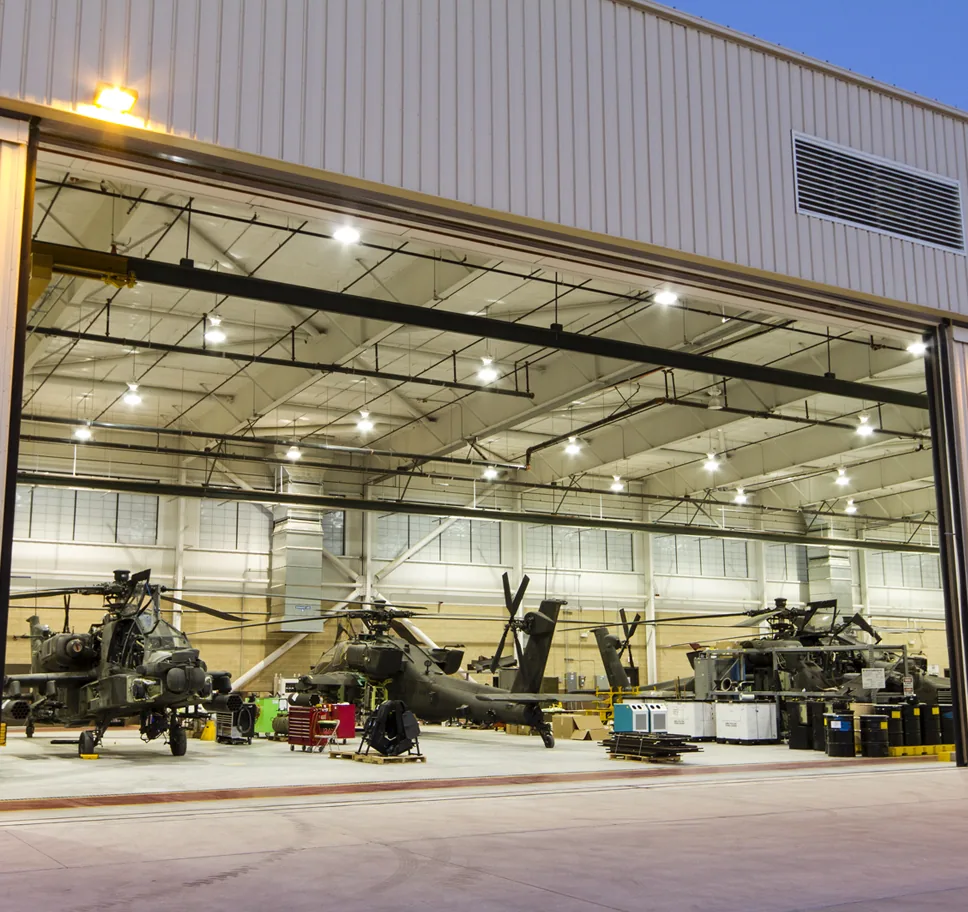 Arrange Naval Facility Roof Service Request a roof assessment or call 555-555-5555. 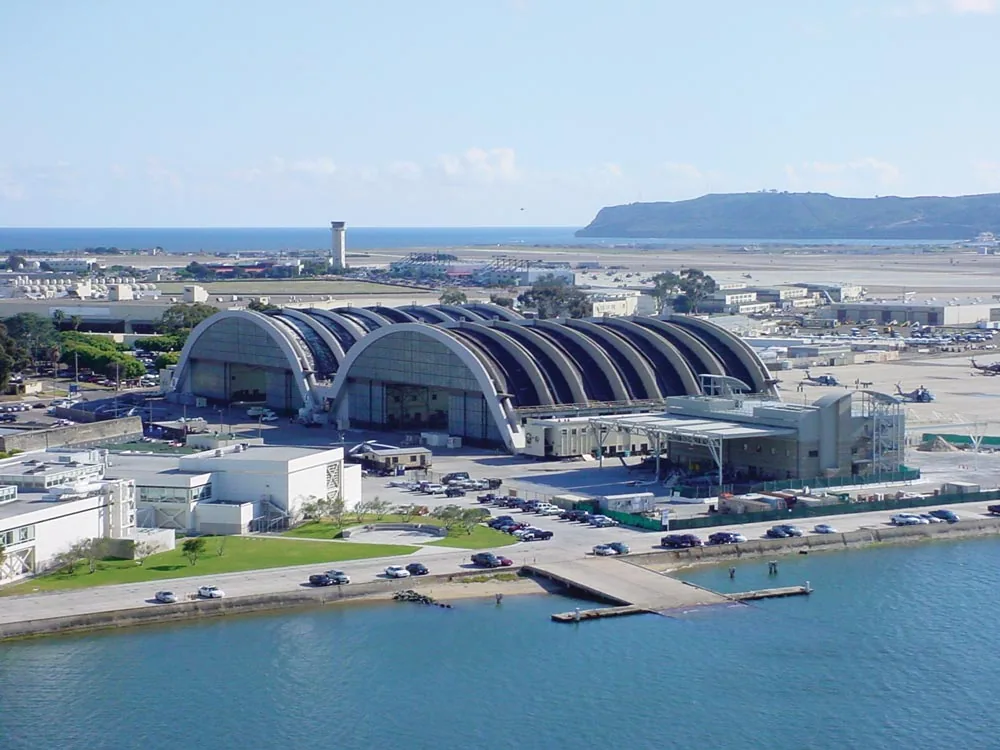 |
Respect Controlled Entry
Staff set visitor authorization, escort, badging, delivery and route requirements. We confirm those details before bringing materials or equipment to the property. The work schedule identifies the roof section, service hours and any access change below. If an operation needs a clear path to a building or dock, site staff set the restriction and we place the work zone accordingly.
When membrane or insulation is removed, the exposed area needs protection before the shift ends. Rain can change the task order; winter wind can limit temporary covers or edge work. We plan a daily dry-in and record temporary protection separately from permanent repairs. A phased occupied-facility reroof can divide work by structure or roof zone with a documented access window for each phase.
Cost and timing depend on the roof assembly, access height, equipment, material layers, moisture, deck condition and the number of buildings involved. Escort hours and scheduled activity can affect how much work fits in a shift. We include these factors in the scope. If opening the roof reveals concealed damage, the facility contact receives photos and an explanation before the repair area is expanded. That lets operations staff review whether the added area affects another entry point, equipment route or schedule before crews change the day's limit.
Choose Repair or Replacement by Condition
A localized flashing failure or open seam may support a repair if the surrounding assembly remains sound. Recurring leaks, wet insulation or loose attachment may call for testing, recover or replacement. We report the evidence and explain what each option would address. A recover assessment checks whether existing materials are stable and dry enough to remain below a new roof system.
Roof materials need compatible repair details. We identify whether the building has membrane, built-up or metal roofing before specifying a patch or replacement. A PVC membrane assembly has welded seam and flashing details, while metal panels require attention to joints and attachment. We include penetrations, edges and drainage components that connect to the reported issue.
Naval and reserve facilities share controlled entry but can have different building programs. A Guard armory inspection may consider training and public meeting use; military hangar roofing can involve aircraft and service bays. The Port of Vancouver industrial area is another regional setting with river cargo and industrial access, but each facility contact defines the actual site plan.
A waterfront or reserve facility may combine offices, storage and equipment support, but the roof scope remains specific to the assigned structure. We mark each reported location and compare it with flashing, membrane transitions, drains and rooftop equipment. The site contact sets security, escort and operating restrictions before a crew is scheduled. If the project includes several buildings, inspection photos and repair records stay separated by building number so an open item at one facility does not disappear in a portfolio summary.
Keep a Building-Level Maintenance File
Closeout lists the structure, roof section, repair, photos and follow-up items. A temporary cover is shown as temporary, and any deferred area remains visible. Facility staff can file the report with equipment maintenance and work orders so a later inspection can return to the same roof detail. The record does not combine separate facilities or building systems. Staff can track a recurring moisture location, verify when temporary work was replaced, and identify a roof area that needs access at the next scheduled maintenance window with facility staff.
Before the wet season, maintenance can check drainage routes, seams, flashing and roof edges. Share the facility address, building contact, reported condition and entry requirements. We will confirm the assigned naval or reserve property, its access rules and the roof areas included before scheduling.
Commercial Roofing Questions
How do you schedule work at a controlled-access reserve facility?
The site contact provides visitor authorization, escort or badge requirements, allowed hours and delivery routes. We confirm those procedures and the work area before mobilizing. The daily schedule records any change to the roof access or route below.
Can one roof report cover the Navy and Coast Guard facilities on Swan Island?
Each facility and building receives a separate inspection record. We label its roof sections, photos, access limits and repair findings independently. A shared island or street does not make separate structures one roof scope.
What should staff send before a roof inspection?
Provide the property address, building name, reported interior area, facilities contact, entry procedure and any equipment restrictions. Roof plans and prior service records help focus the visit. We confirm which areas can be reached and list deferred sections.
How do you respond to active water entry?
We locate the roof area and provide temporary protection when access, weather and site rules allow. The record states what the measure covers and what remains for permanent correction. Repair scope follows inspection of the actual assembly and visible damage.
Arrange Naval Facility Roof Service Send the Vancouver-area facility address, building use, reported roof condition and site access contact. We will identify the roof areas for inspection and document a repair scope. Request a roof assessment or call 555-555-5555.