
Aircraft Hangar Roofing in Vancouver, WA
Inspect and repair Vancouver-area hangar roofs with attention to wide-span assemblies, door transitions, aircraft protection and controlled access. A hangar door can operate smoothly while water enters at the roof edge above its track. We inspect and repair aircraft hangar roofs serving Vancouver, WA, checking panel seams, membrane laps, fasteners, curbs and transitions near large openings. The roof report identifies the building section and the detail that needs attention. Aircraft, maintenance activity and secure access can all affect how a repair is staged. Portland International Airport and the Portland Air National Guard Base sit south of Vancouver; the base operates from the airport and has aircraft maintenance and hangar facilities. That regional aviation context makes clear access and equipment protection relevant to hangar work. For an individual facility, the operator sets entry and movement rules. A hangar roof inspection documents visible conditions and any access limits. Check the Span and Door TransitionWe inspect the roof surface, panel seams or membrane laps, attachment points, curbs, penetrations and drainage. Large door openings create roof and wall transitions that need to stay secure through repeated operation and changing weather. We look for loose metal, displaced flashing, open joints and signs of water entry near the track or jamb. The building operator identifies what equipment and aircraft must remain clear below the inspection. Water can travel from a roof joint before it appears at the floor or wall. We compare interior reports with the likely path above and photograph the visible detail. Vancouver's wet season brings recurring rain, and winter wind can put pressure on exposed roof edges and door-side terminations. We check drains and outlets separately from panel or membrane failures. Each calls for a separate repair description. Condensation and interior moisture can complicate a hangar leak report. We inspect the roof from accessible areas and distinguish a visible opening from a condition that needs further testing. If insulation may be wet, the report identifies whether a test or controlled opening would help establish the extent. We do not treat a single floor mark as proof that the whole roof assembly is affected. | 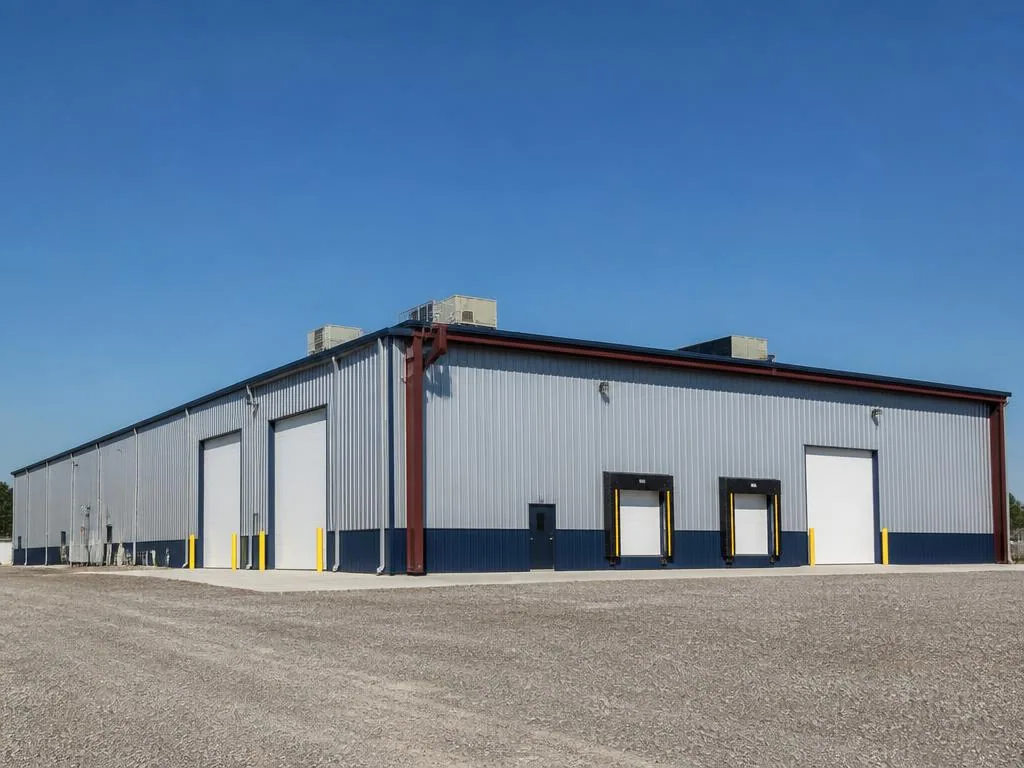 Plan Hangar Roof Service Request a roof assessment or call 555-555-5555. 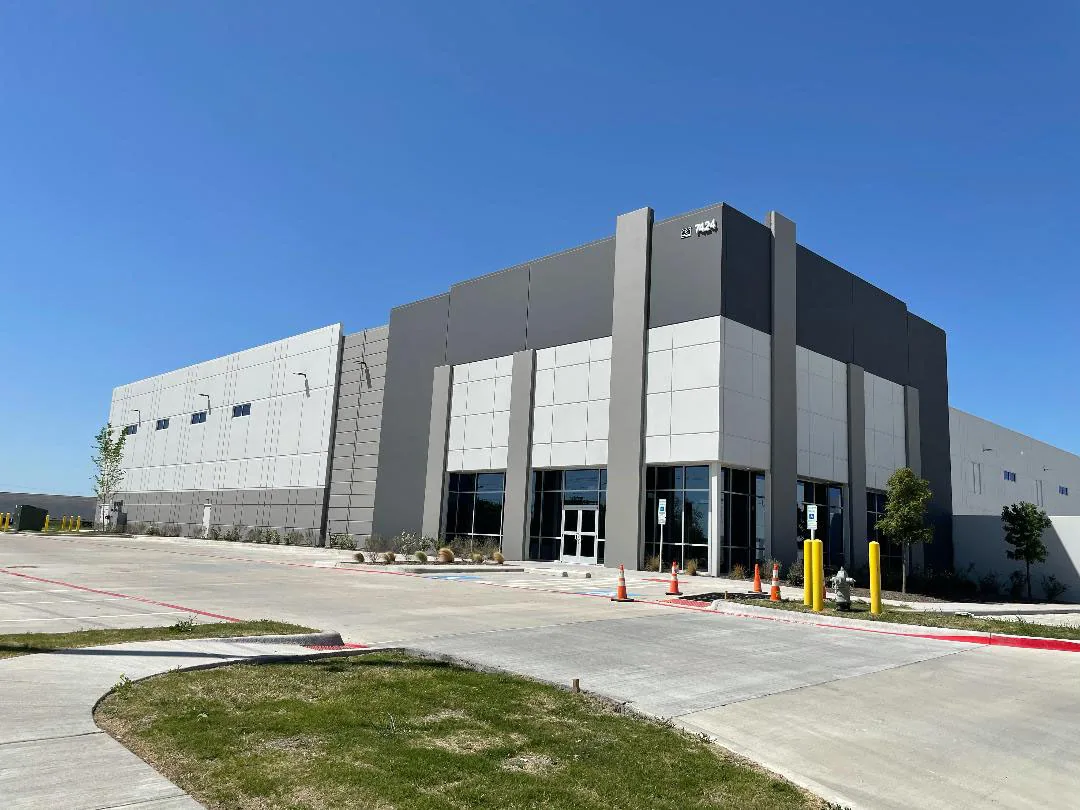 |
Protect Aircraft and Access Routes
Before mobilization, we coordinate entry, escort or badging requirements when the operator requires them, work hours and any area that must remain open. Facility staff can identify aircraft positions, equipment movement and restricted zones. They can also identify any sensitive components that should not remain below overhead work. We use those instructions to set material staging and a safe work limit. The schedule states when door operation, service routes or the area below the repair could be affected.
Weather can change the amount of roof opened during a shift. We plan dry-in before removing membrane or insulation and secure the work area before leaving. Rain may alter installation conditions, while wind can complicate handling large metal panels or temporary covers. A phased hangar reroof can move between marked sections, with updates to the facility contact as each area is completed.
Cost and duration depend on roof access, roof height, span, panel or membrane type, door details, drainage and any wet insulation or deck repairs. Aircraft movement restrictions and site access can also change the sequence. We identify these drivers in the scope and list conditions that can only be confirmed after opening concealed materials. The facility receives photos and a clear description before additional work is added. If a repair cannot be completed in one shift, the handoff states what was secured and which transition remains open for follow-up.
The Vancouver VA Campus is another local multi-building property, with patient-care, imaging, logistics and maintenance buildings. Its uses differ from aviation, but the same basic roof record matters: tie every observation to a named building and accessible section.
A hangar inspection needs a clear boundary between roof work and aircraft or ground-support activity below. Facility staff identifies the aircraft movement plan, door cycle, approved staging point and any overhead clearance limits. We inspect the roof-to-wall and roof-to-door transitions separately from the door machinery, then mark any visible gap or loose flashing. If a repair needs interior access, the work plan states where a barrier is needed and how the opening will be secured at shift end.
Match Repair to the Roof System
A loose panel seam or flashing defect may be repaired if adjacent materials and attachment remain sound. Widespread corrosion, repeated leaks or wet insulation can require a broader evaluation. We compare targeted repair, recover and replacement using the observed assembly. For a metal roof, a roof edge and metal detail review can help identify whether the failure sits at a panel, trim or wall connection.
System selection depends on the structure, roof slope, drainage and access. A standing-seam metal system has different seams and movement details from a low-slope membrane. We identify the installed roof before selecting repair materials, then include the door-side flashing, curbs, penetrations and outlets in the work description. The scope covers how the roof meets the large opening, not only the field area.
Aircraft operations at Portland International Airport and the Portland Air National Guard Base are distinct from a commercial hangar's ownership and access rules. At a Vancouver industrial property, river and rail freight activity around the Port of Vancouver waterfront presents a different delivery context. We confirm the actual facility address and its operating limits before setting staging or transport plans. A hangar with adjoining office or shop space may also need a flex-industrial roof inspection. A military hangar roof plan may include additional access and mission-schedule constraints.
Record Each Hangar Detail
Closeout lists the roof section, completed repair, photographs and any follow-up inspection. Temporary weather protection is separated from permanent work. If access restrictions prevented an inspection, the report identifies the area that remains open. Facility staff can file the repair by building and door bay, then compare future observations against the same detail.
Planned maintenance can review drainage, exposed fasteners, panel joints, membrane seams and roof edges before the wet season. Share the hangar address, door or roof section, aircraft movement limits and facilities contact. The exact hangar's operator provides the access plan for its own property.
Commercial Roofing Questions
Can you repair a hangar roof while aircraft remain inside?
The operator identifies aircraft positions and restricted areas before work is planned. We coordinate roof access, material movement and protection below, then define which zones must remain clear. Whether aircraft can stay in the building depends on the repair area and site rules.
Why does a hangar leak appear near the door instead of under a roof seam?
Water can follow a panel joint, deck or insulation before reaching the wall or floor. We inspect the roof path above and around the report, including the door-side flashing and nearby outlets. The record states the likely source and any additional test needed.
What affects work at an airport or restricted aviation site?
Operator access rules, escorts or badging, work hours, aircraft movement and material staging can affect the sequence. We confirm those requirements with the facility contact and list limits in the plan. Weather and roof conditions can change the daily work area.
How do you decide between repairing a panel and replacing the roof?
We inspect the panels, seams, attachment, edge details and evidence of moisture. A localized defect may support repair; broad deterioration or recurring water entry may require replacement review. The scope ties the recommendation to observed roof conditions and access needs.
Plan Hangar Roof Service Provide the Vancouver-area hangar address, reported roof or door detail, operator contact and access requirements. We will inspect the available areas and document the repair scope. Request a roof assessment or call 555-555-5555.