GAF Commercial Roofing Systems in Vancouver, WA
Install, repair and maintain GAF commercial roof systems in Vancouver, WA. We review membrane condition, seam details, drainage and project requirements. A commercial roof system works only when the membrane, seams, flashing and attachment are treated as one assembly. We install, repair and maintain GAF commercial roofing systems in Vancouver, WA, after confirming the roof type, approved details and building conditions. GAF's EverGuard line includes TPO, PVC and PVC KEE membranes, with smooth and fleece-back options. Thermoplastic sheet seams are heat welded, so surface preparation and seam quality matter to the finished roof. The Port of Vancouver Industrial Waterfront has manufacturing, grain, metals, automotive distribution, warehouse and shipping properties. Lower Grand includes office, industrial and flex-industrial buildings. Those settings may have different access and staging needs. A commercial roof inspection identifies the existing assembly and visible condition before a GAF system or repair scope is selected. Identify the EverGuard MembraneEverGuard TPO, PVC and PVC KEE are distinct thermoplastic membrane choices. GAF describes its TPO as a reinforced single-ply membrane with heat-weldable seams; its PVC and KEE products are separate membrane options with their own system details. We review the project specification, existing roof and intended use before matching a material. The brand name alone does not determine thickness, reinforcement, attachment method or approved assembly. Fleece-back products may be specified for certain recover or adhered applications. The substrate, existing layers and adhesive requirement still need review. We identify the surface, insulation, cover board, fasteners, plates, adhesives and edge details listed in the project documents. If roof records are incomplete, we note which assembly details should be verified before material is ordered or the old system is opened. Thermoplastic seams are welded with controlled heat, pressure and travel speed. We check the substrate and membrane surface, set the welder for field conditions and inspect the completed seam. A test weld can help confirm the setup before production work. Corners, curbs, drains and transitions need their own detail work; a field seam does not replace careful flashing around penetrations. For a warehouse roof or an office building, the loading, occupancy and roof equipment differ. A Carlisle SynTec roof system or a Johns Manville system may appear in other portfolio buildings. We keep findings and repair materials specific to the installed membrane at each address. | 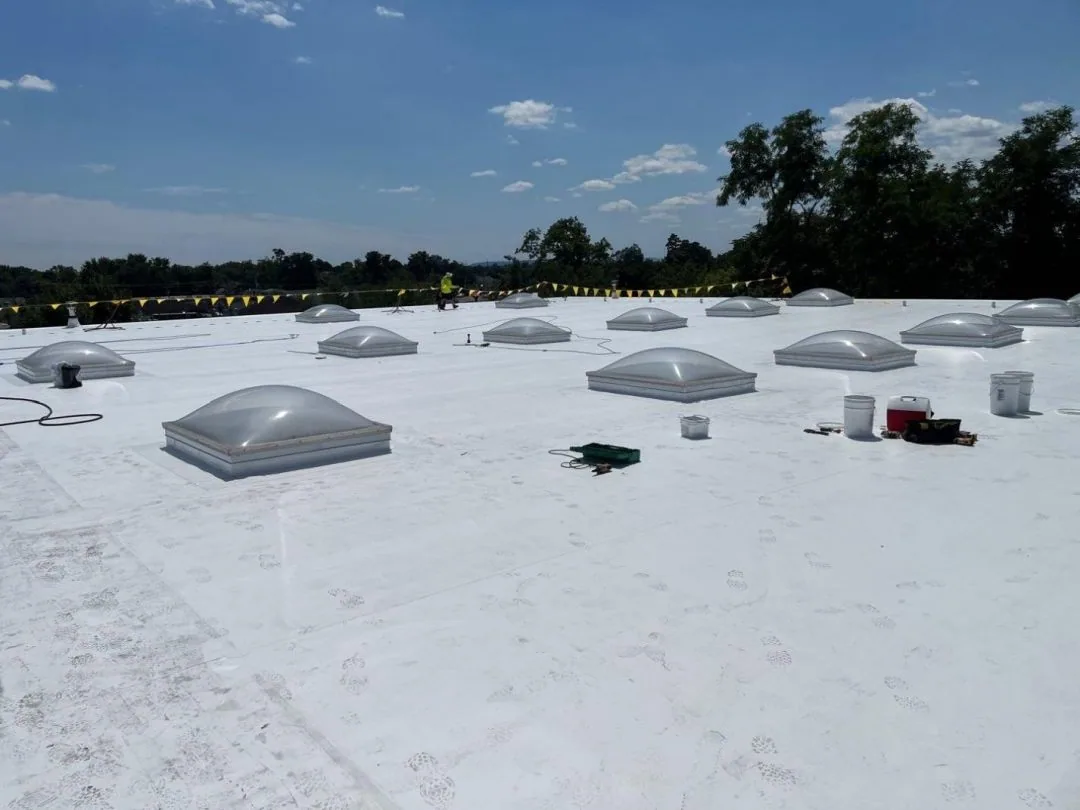 Review a GAF Commercial Roof Request a roof assessment or call 555-555-5555. 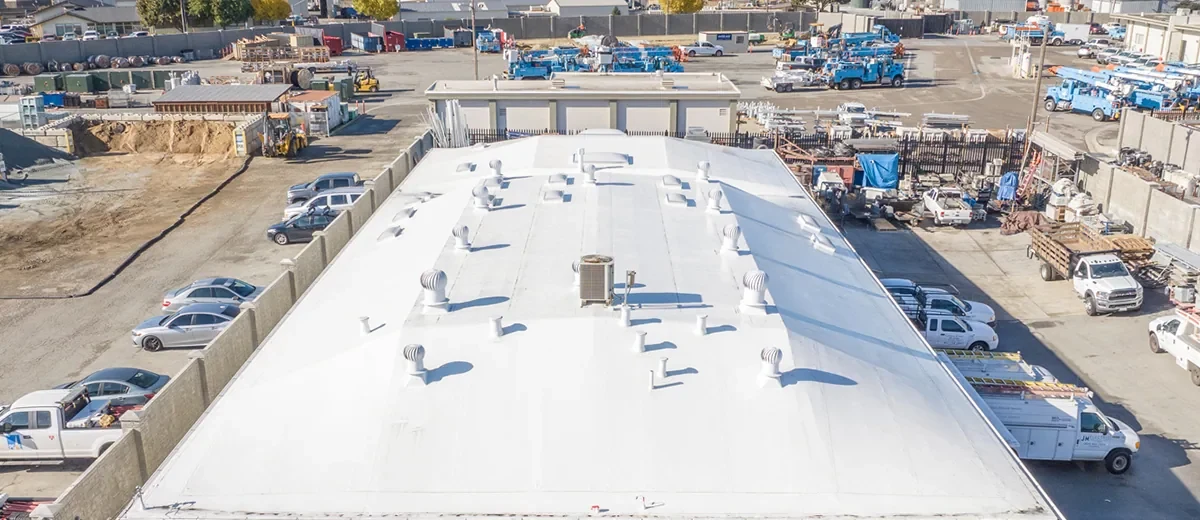 |
Inspect Details Before Repair
We look for open seams, punctures, surface damage, loose flashing, drain restrictions and prior patches. If the roof leaks, we compare the interior report with the likely roof path, then record what is visible. Wet insulation or a damaged deck may extend beyond the surface defect. A visual visit cannot confirm concealed moisture, so we identify whether a test opening or moisture survey would help set the repair boundary.
GAF's published commercial materials include membrane accessories and flashing components. The detail selected for a project must match the system, geometry and approved specification. A curb or pipe boot should tie back to compatible field membrane. A metal edge detail may require membrane-compatible coated metal or another assembly shown in the drawings. We document any substitute or field condition that needs the design team's direction.
Vancouver's wet cool season brings regular rain and winter wind. Drainage routes, wall transitions and roof edges deserve attention before the wet period, while occasional summer heat can affect surface temperature during installation. We check current conditions and follow product instructions for preparation and application. Weather context helps plan work, but a leak source is determined by the roof evidence at the building.
At the Port of Vancouver, freight, production and warehouse operations can affect access routes and material delivery. We confirm the facility contact, roof entry and staging area before setting the work window. The tenant mix does not reveal the roof system or condition at any one address.
EverGuard TPO seams are heat welded, so surface preparation, weld settings and test cuts matter when a repair is made. We first confirm whether the installed system is TPO and identify the membrane and flashing detail in the work area. A GAF product name does not determine attachment, cover board or deck condition. If roof records are incomplete, a field review can establish visible layers and note which assembly details remain uncertain before a repair or recover is specified.
Keep Maintenance Compatible
Repairs should be made with materials that are compatible with the membrane and prepared according to the product guidance. We remove loose or contaminated material as needed, dry the surface and tie a patch or flashing detail into sound membrane. A bead of generic sealant is not a replacement for a welded seam or a properly flashed penetration. If an earlier patch sits over the original seam, we record that limit and whether removal is needed.
A seam failure repair addresses an open lap. A flashing repair can correct a curb or wall transition. If damage is more widespread, a commercial roof replacement scope may be considered after reviewing wet insulation, attachment and deck conditions.
Maintenance includes checking drains, seams, flashings, rooftop equipment and areas where service traffic crosses the membrane. A preventive roof maintenance visit can record these conditions and note new penetrations or repair needs. Product instructions and project documents govern material use; we do not assume one GAF accessory applies to every EverGuard assembly.
Cost and timing depend on roof access, system type, material availability, preparation, removal, wet insulation and deck work. We identify the work area and open questions before the scope is approved. If concealed conditions change what is needed after removal, we document the finding and review the added work with the owner.
Record the Installed System
Closeout identifies the building, roof areas, specified GAF membrane, detail work, photos and any remaining access or testing limits. The owner can keep product records and service notes with the roof plan. Future repairs can then refer to the same section and compatible system, rather than treating a product name as a complete installation record.
Send the Vancouver address, roof records, reported condition and access contact. We will inspect the actual assembly and define a GAF installation, repair or maintenance scope based on the approved system details.
Our work is limited to the project scope and the roof areas inspected. Any concealed condition or design question is recorded for review before the scope is expanded.
Commercial Roofing Questions
Which GAF membranes are used on commercial roofs?
GAF's EverGuard line includes TPO, PVC and PVC KEE membranes, with smooth and fleece-back options. We confirm which product and assembly the project specification requires before planning installation or repair.
Can an EverGuard seam be repaired in place?
A local repair may be possible when the surrounding membrane is sound and the surface can be prepared for a compatible weld or patch. We inspect the seam and nearby attachment before defining the repair.
Does a GAF product name tell us how the roof is attached?
No. Attachment can vary by approved assembly and project specification. We review the roof records and visible conditions, then identify any detail that needs confirmation before work starts.
How should a Vancouver facility maintain a GAF roof?
Keep drains clear, monitor seams and flashing, and record rooftop service activity or new penetrations. A maintenance visit can document accessible conditions and identify compatible repair needs.
Review a GAF Commercial Roof Share the Vancouver address, roof records, GAF system details and reported concern. We will inspect accessible sections and define installation, repair or maintenance needs. Request a roof assessment or call 555-555-5555.