Commercial Roofing in The Heights District, Vancouver, WA
Roof inspections and planning in The Heights District in Vancouver, WA. We confirm the building, access needs and roof condition before setting scope. The Heights District plan brings housing, retail, civic uses and public open space together around the former Tower Mall property and surrounding commercial land. The city-led redevelopment also includes an upgraded street network and sits near SR 500, connected with Vancouver's wider east-west commercial corridors. We plan roof service for the exact building and work area, not for the district as a single property. An inspection records the visible condition before repairs or renewal are discussed. The plan identifies intended uses and public improvements, not roof materials or the present condition of each building. We confirm those details through project records, site access and observations at the property. Separate Planned Uses From Roof EvidenceA redevelopment area may include buildings with different uses and project stages. For an existing roof, we begin with the address, building contact and reported condition. For a project in design or construction, the team can identify the approved drawings, roof specification and inspection milestone. We record what can be inspected and which details must be reviewed before they are covered. At occupied housing, retail or civic space, roof access may need coordination with tenants, staff or public routes. We confirm the appropriate work windows, staging location and interior protection needs. The street network improvements in the plan may affect how a project approaches the site, but current access conditions need to be checked with the project contact. Once on the roof, we look at membrane seams, curbs, penetrations, wall transitions, edge metal and drains. A lifted lap differs from loose flashing or blocked drainage. Each finding receives a location and photo. If the reported interior leak does not align with visible roof damage, we trace likely water paths and state where more investigation is needed. We do not infer the age or construction of a specific roof from the former Tower Mall name or current district plan. Records, visible product markings and assembly details provide the basis for a repair method. Where materials are concealed, a test opening may be needed to confirm insulation or deck condition before a larger scope is defined. | 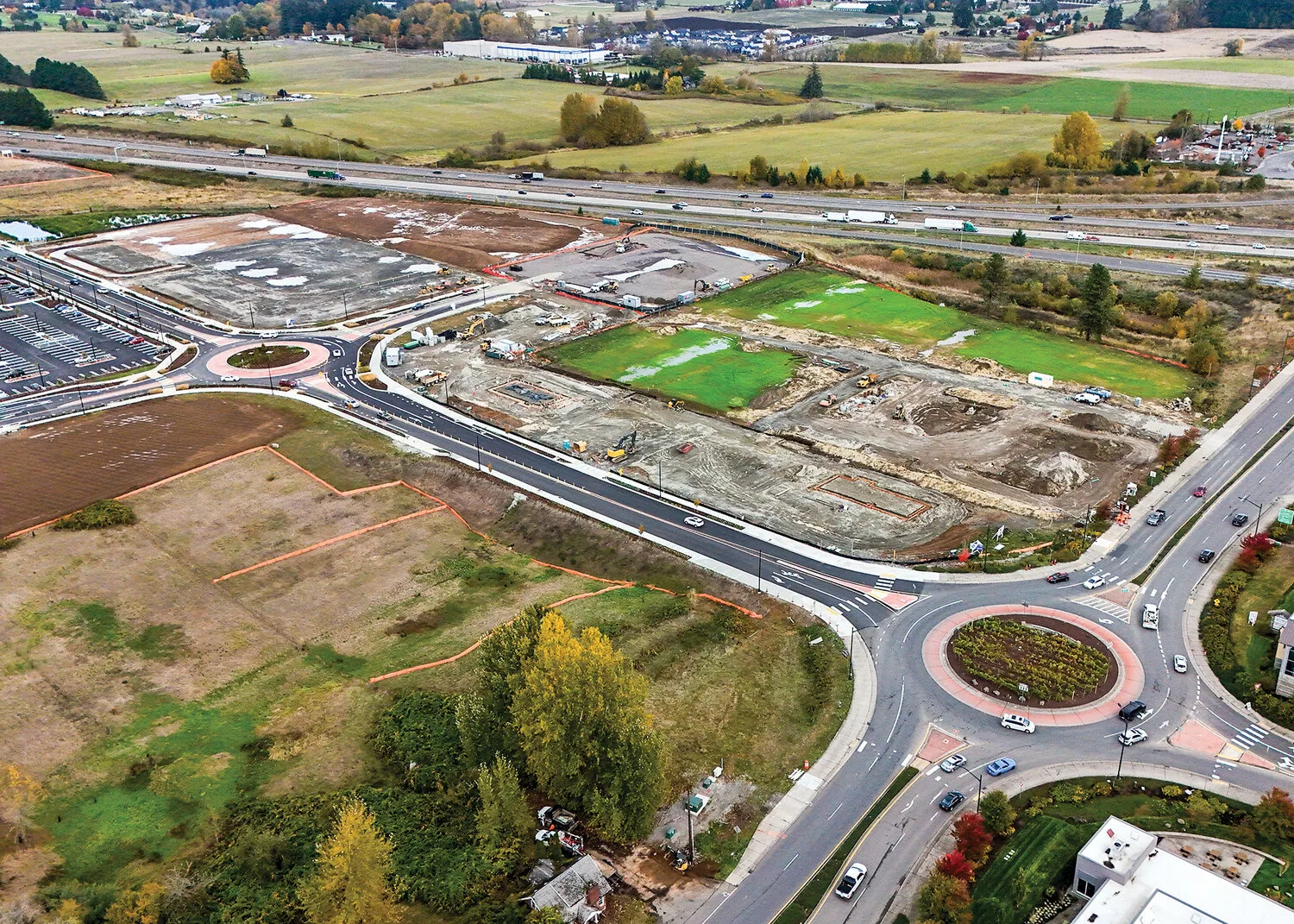 Arrange a Heights District Roof Review Request a roof assessment or call 555-555-5555. 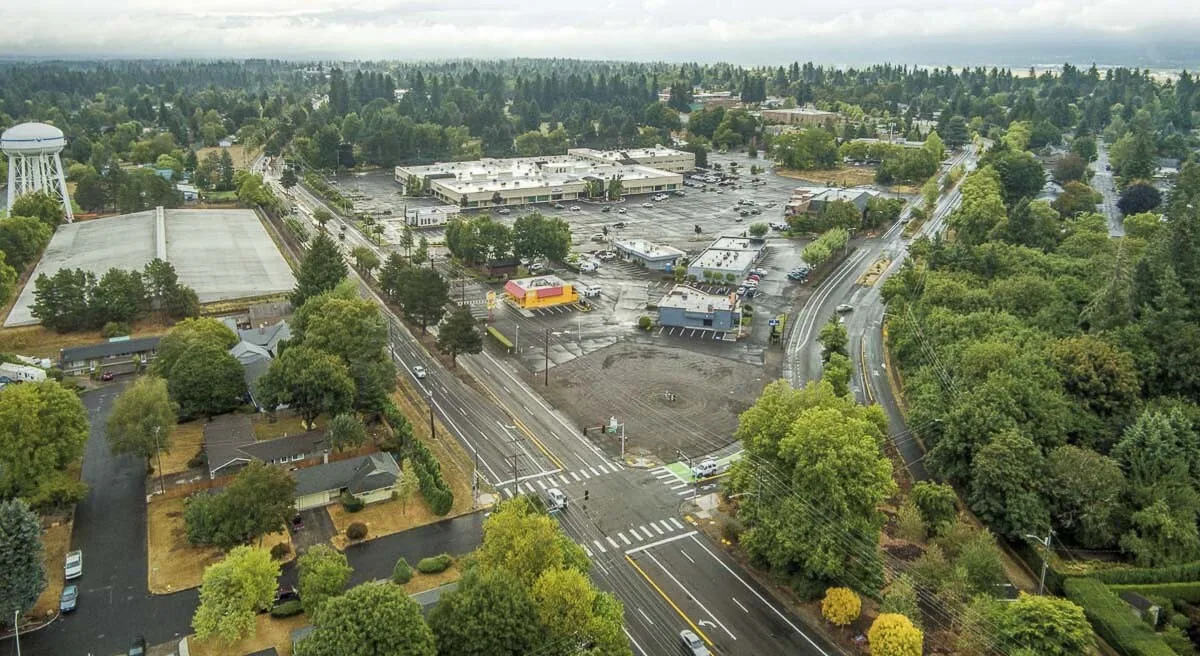 |
Check the Parts That Meet and Move
Roof leaks can start where the field membrane meets a wall, pipe, curb or edge. We inspect flashing condition, laps, terminations and signs of movement. An equipment support may have a detail that differs from the surrounding sheet. A prior patch can conceal the original defect, so we record the visible repair and inspect nearby material before selecting another layer.
Drainage and overflow routes deserve attention during Vancouver's cool, wet season. We look for accessible blockage, standing water, water marks and debris. Winter wind and rain can put stress on roof edges. For a Heights property, compare accessible roof areas with any available repair notes and identify sections that could not be reached. This creates a useful baseline for a later inspection. These climate conditions inform planning for Vancouver; a site inspection shows whether a particular roof detail is affected.
If moisture under the roof is suspected, an infrared moisture survey may help identify locations for further confirmation when conditions support it. The findings are a screening step, not a complete map of the assembly. A test cut can confirm whether insulation or deck material is wet where that information changes the repair decision.
In The Heights, confirm how Vancouver requirements apply to the proposed work; replacement and insulation changes may trigger review that a repair does not.
Where a roof has been repaired in several seasons, compare the current surface with available invoices and older photographs. Different patch materials or elevation changes can indicate separate work phases. The owner can then decide whether the next inspection should focus on one detail or map the full roof section.
Choose Between Local Repair and Renewal
A localized repair is appropriate only when the surrounding membrane and substrate can support it. The scope names the detail, preparation, compatible material and verification. If concerns extend across multiple areas or into concealed layers, a roof recover evaluation reviews the existing assembly, moisture, attachment and deck conditions. A commercial roof replacement plan can address removal, insulation, flashing, edges and temporary weather protection.
The Heights redevelopment plan does not decide whether a roof should be repaired or replaced. The owner's choice follows the observed condition, project timing, tenant needs and any testing required. If work may conflict with a larger site schedule, we coordinate with the owner or project manager and note staging and inspection points before the crew mobilizes.
A time-sensitive leak in The Heights should be linked to its building, interior location and property contact. We coordinate safe access and possible protection with the site team, then document the permanent correction needed. The service record states what has been done and which permanent detail still needs attention. A wet roof or unsafe access may affect when lasting work can proceed.
Cost and timing reflect the work area, access, roof height, staging, materials, removal depth and concealed conditions. Nearby SR 500 and corridor connections provide setting, but current site access and traffic controls should be confirmed before delivery or lift placement. We include those practical assumptions in the work scope. A phased project can set review points for tear-off, substrate repair and new membrane installation. The owner receives an update before concealed work is closed, which helps keep the approved scope tied to the actual roof condition.
Carry the Condition Record Forward
A closeout record identifies the building, roof section, observations, repair completed, photographs and remaining actions. Product information is included only when supported by the documents or visible evidence. A preventive roof maintenance visit can record accessible details at later visits and show how a condition changes over time.
Evergreen and Grand Commercial Corridors are designated routes with existing businesses and redevelopment potential. Fourth Plain International District connects downtown streets with the Mall area and commercial districts farther east. Vancouver Mall District is a major retail cluster. Each district has distinct city facts and a separate property scope.
When requesting an assessment, provide the address, use, reported condition, access contact and any relevant drawings. Commercial Roofers Vancouver will confirm the roof area and explain whether repair, testing or project coordination is the next step.
Commercial Roofing Questions
Does The Heights redevelopment plan tell you how a current roof is built?
No. It describes planned housing, retail, civic uses and open space. The existing roof assembly must be confirmed from records and observations at the address.
Can you inspect during redevelopment work?
We coordinate with the owner or project manager on access, staging, drawings and inspection timing. The project documents identify the details that can be reviewed before they are concealed.
How do you protect occupied space during a roof repair?
We confirm the interior area below, identify access and notice needs, and define protection in the work plan. The building contact helps coordinate any affected rooms or routes.
What roof findings can change a replacement scope?
Wet insulation, deck damage, attachment issues and additional roof layers may affect the work. We identify what is visible and where testing is needed to confirm concealed conditions.
Arrange a Heights District Roof Review Send the property address, building use, project stage, reported condition and access details. We will identify the roof area and coordinate with the responsible site contact. Request a roof assessment or call 555-555-5555.