Commercial Roofing in Evergreen and Grand Corridors, Vancouver, WA
Roof inspections and repairs along Vancouver's Evergreen and Grand corridors. We coordinate access and document conditions for each business address. Evergreen and Grand are designated commercial corridors with existing businesses and redevelopment potential. The city's planning addresses storefronts, access and public-space improvements along these streets. We inspect commercial roofs at the specific business address and coordinate work around the access and operating needs confirmed there. A commercial roof inspection can document the visible condition and identify appropriate follow-up. The corridor plan treats Evergreen and Grand as part of Vancouver's connected network of commercial areas, rather than isolated shopping sites. That context does not establish roof construction or condition. We review the roof records and on-site details for each property. For a facilities team responsible for more than one address, separate inspection dates and roof-area labels keep repair priorities clear. A shared corridor does not mean a shared drainage path, membrane or work schedule. Define the Building Before the Roof ScopeA commercial corridor can include properties with different uses, ownership and access arrangements. We confirm the street address, building contact, reported interior condition and roof section before scheduling. If the owner manages several addresses, each inspection record is labeled separately. That helps the facilities team distinguish a leak or repair at one property from work still needed at another. On the roof, we trace the report through membrane seams, flashing, penetrations, curbs, edge transitions and drainage features. A ceiling stain may be away from the roof entry point, so we compare the interior location with details above and nearby. Photos identify what was observed. The report notes when a source is likely but not yet confirmed. City planning recognizes existing businesses and redevelopment potential along Evergreen and Grand. It does not identify the membrane, age, deck or layout of a particular roof. We use drawings, prior repair records, product markings and field inspection to establish what can be confirmed. Concealed insulation or attachment may need further testing if that information changes the repair or replacement decision. Storefront and access improvements are part of corridor planning. At the service site, we ask where materials can be staged and which entrances or pedestrian routes need to remain clear. If a roof repair affects an occupied area below, we coordinate notice and protection with the property contact. We keep the planned public-space work distinct from the roofing scope unless the owner asks for both to be coordinated. | 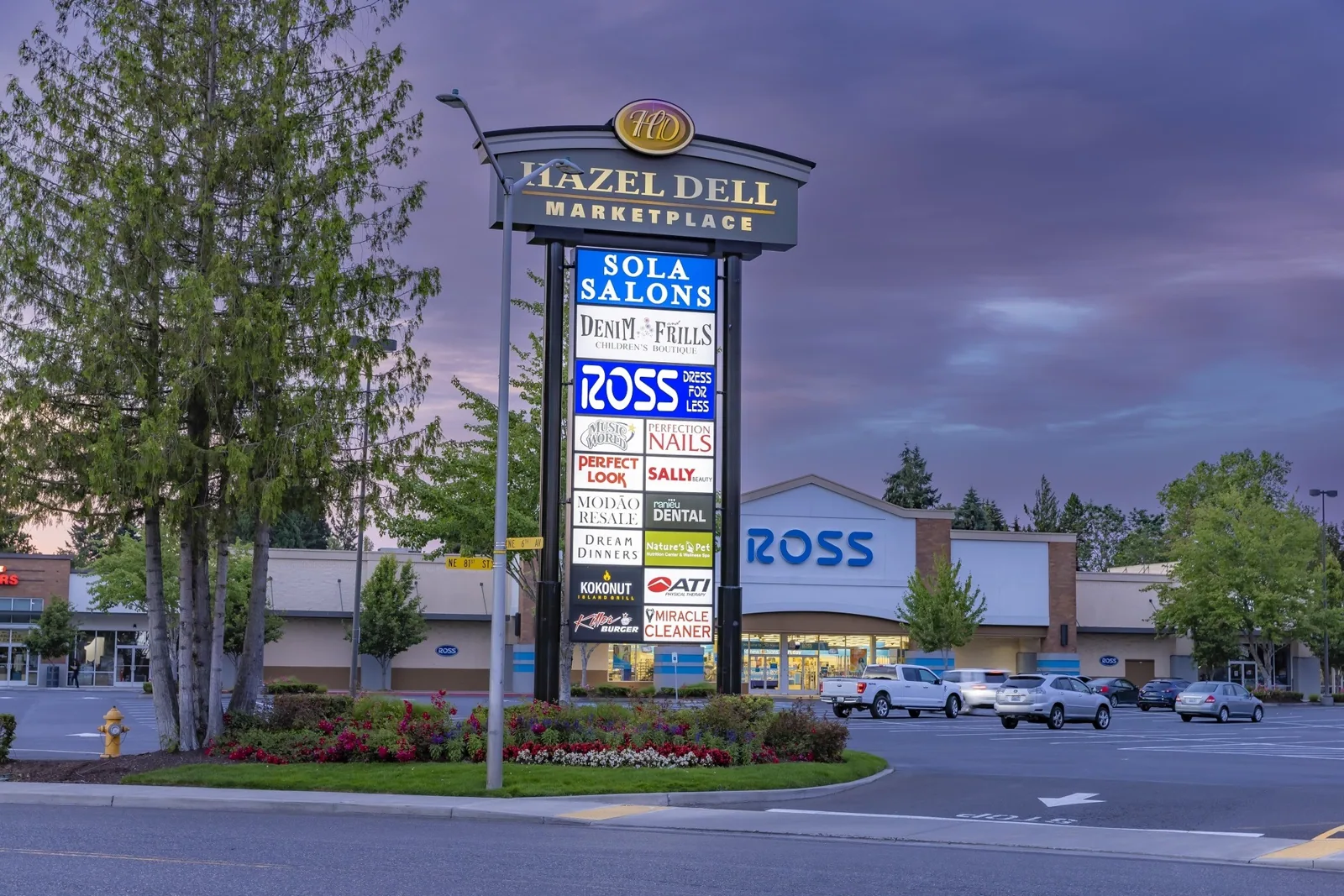 Request Corridor Roof Service Request a roof assessment or call 555-555-5555. 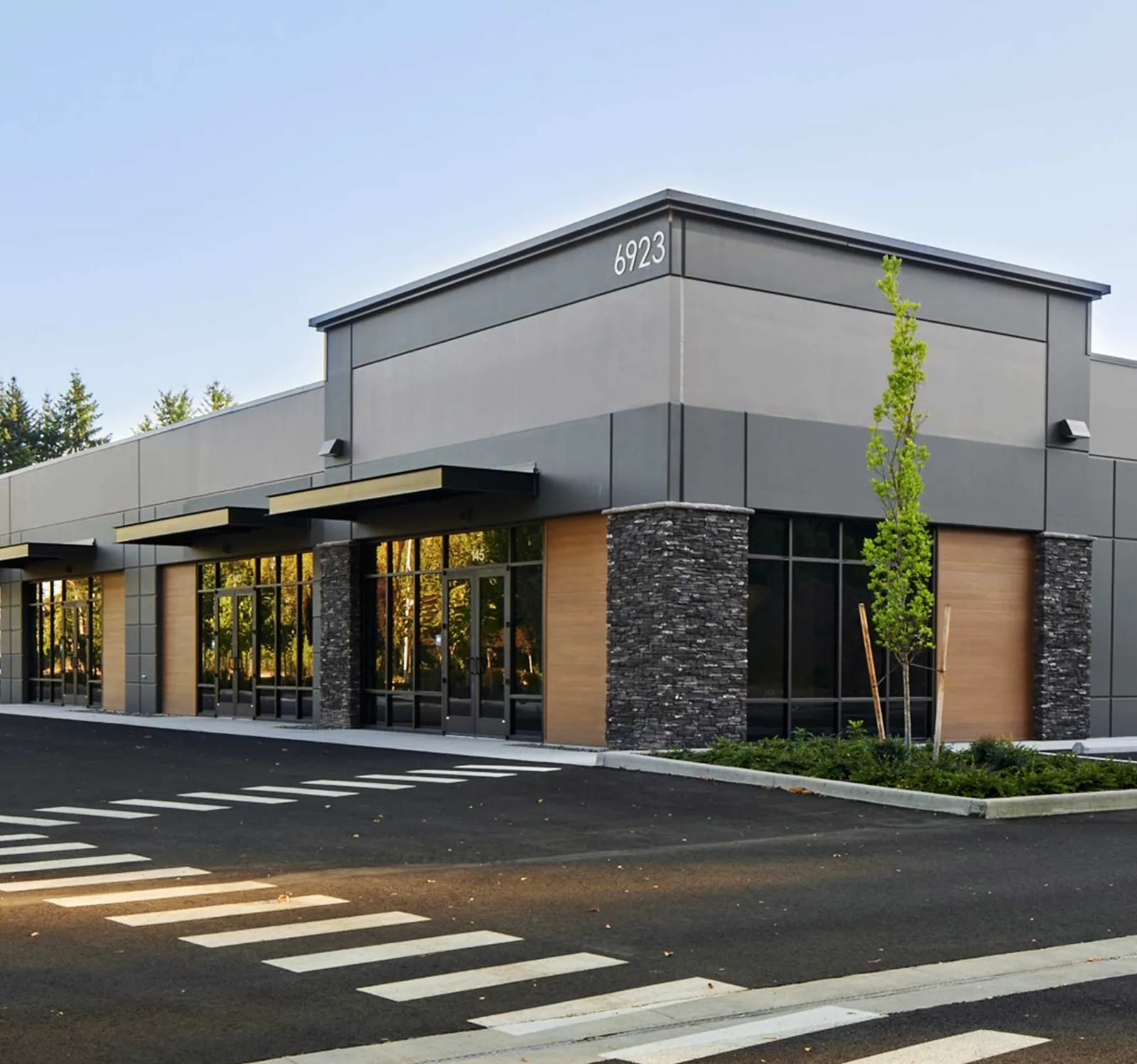 |
Inspect Seams, Openings and Drainage
We examine visible laps, punctures, wrinkles, prior patches and loose flashing. At a wall or parapet, the membrane transition should remain secure. At a curb, the flashing ties the field sheet to a vertical surface. At the perimeter, edge metal and terminations need to resist movement. We describe the detail and location so a repair can be priced against a clear work area.
Drainage routes carry particular importance during Vancouver's cool, wet season. We inspect accessible drains and scuppers, note debris or water marks, and record standing water if it is present. Winter wind and rain can test edges and flashing. Along Evergreen and Grand, identify the building and roof section before comparing observations from separate properties. The local season informs timing, but field photos and access notes support each recommendation. The roof visit determines which details need repair.
If moisture beneath the membrane is possible, an infrared moisture survey may help select locations for confirmation under suitable conditions. It can guide a test opening but does not establish every concealed layer. We explain what further testing is needed before the repair boundary is finalized.
A project on Vancouver’s Evergreen or Grand corridors should be screened by address and work scope before the owner settles on an assembly or permit schedule. If a project changes the roof assembly or insulation, those requirements can affect the specification and schedule.
Choose a Repair or Capital Path
A local defect may support a repair when nearby material and substrate are sound. We describe preparation, compatible materials and the connection to be restored. If the roof has multiple failing areas, wet insulation or a deck concern, testing may need to come first. An inspection should say whether a repair is limited to one detail or whether more information could change the recommendation.
An Evergreen or Grand corridor roof recover evaluation should match tested moisture areas and attachment to the proposed assembly, not assume the whole roof is uniform. A commercial roof replacement scope can define removal, insulation, flashing, edge work and weather protection. The owner can compare those options with building operations, expected access and capital timing.
For an urgent report along Evergreen or Grand, we confirm the property address, affected interior and access contact before dispatch planning. Safe roof conditions determine whether temporary protection is feasible; the permanent repair receives its own defined scope. The temporary action is recorded separately from permanent work. If rain or a wet substrate prevents a durable detail, the report explains the remaining exposure and return plan.
Timing and cost reflect roof height, access, staging, work area, materials, removal depth and concealed conditions. Corridor traffic and storefront access may affect delivery or lift placement, while interior operations can shape the work window. We confirm those conditions with the property representative and state the assumptions in the scope.
Maintain a Clear Property History
A useful closeout identifies the address, roof section, visible condition, completed work, photographs and follow-up items. Product identification is included only when supported by records or field evidence. Record each building’s drains, perimeter transitions and prior repairs separately so the owner can make a decision from dated site evidence.
Fourth Plain International District is a major east-west business corridor linking downtown Vancouver with the Mall and eastern city. The Heights District has a city-led redevelopment plan near SR 500 and connects with the broader east-west commercial system. Esther Short and Downtown Vancouver is the city's commercial, cultural, financial and municipal center. Each property's address determines which local profile applies.
To arrange an inspection, provide the address, business use, reported issue, access needs and roof records if available. Commercial Roofers Vancouver will identify the right roof area and explain whether repair, testing or renewal planning is supported.
Commercial Roofing Questions
Can you inspect multiple businesses along Evergreen or Grand?
Yes. We can document separate properties in a coordinated program, with findings labeled by address and roof area. Access and scope are confirmed for each building.
Does redevelopment potential mean a roof should be replaced?
No. The corridor plan describes city planning priorities, not the condition of a specific roof. We inspect visible details and records before recommending repair or replacement.
How do public access plans affect roof staging?
The property contact confirms entrances and routes that need to stay clear. We include staging and any barriers in the work plan when they affect the roof project.
Can a roof inspection identify hidden water damage?
A surface inspection identifies visible conditions and possible water paths. A moisture survey or test opening may be needed to confirm concealed insulation or deck conditions.
Request Corridor Roof Service Send the business address, use, reported roof condition and access details. We will plan an inspection for the specific Evergreen or Grand property. Request a roof assessment or call 555-555-5555.