Shopping Center Roofing in Vancouver, WA
Repair and maintain Vancouver shopping center roofs with tenant coordination, drainage checks, leak tracing and phased work plans for active retail sites. A retail tenant reports a ceiling drip while customers are entering through the same storefront. The property manager needs to identify the roof section, protect the space and keep adjacent businesses informed. We inspect and repair shopping center roofs in Vancouver, WA, tracing the report through roof seams, curbs, drains and wall transitions. The Mall is the district’s largest retail property; service and shopping uses continue on surrounding commercial blocks. That retail pattern makes access and work-zone planning part of the roof scope. We label findings by building, tenant bay and roof area where those details are available. A commercial leak investigation starts at the reported interior condition and checks the roof above and around it. We document visible evidence, any temporary protection and the repair needed. The facility receives a clear distinction between an active response and permanent work. Trace Each Tenant ReportRetail roofs often cross multiple suites, and a shared roof does not mean one leak affects every tenant. We log the reported suite, the time water appeared and any recent ceiling or equipment work. Then we inspect likely entry points above the area, including membrane laps, parapets, penetrations, rooftop units and drain bowls. Water can travel before it reaches a ceiling, so the visible mark is a reference point rather than a confirmed opening. We check the drainage route and look for debris, standing water, open laps, punctures or loose edge details. Vancouver’s wet cool season brings recurring rain that can expose weak drainage or flashing. A blocked drain requires a different response from wet insulation or a failed seam. We describe what we see and identify whether additional testing or an opening is needed before a larger repair is priced. Shopping centers may have varied tenant hours and delivery activity. At Vancouver Mall District, Fourth Plain connects the commercial area toward downtown and the eastern city. The property manager confirms which service entrance, loading area and delivery window crews can use. A strip of storefronts may share walls but have separate access routes, so we list the active building and entry point in the work plan. We schedule the visit with a named contact and avoid blocking customer or service routes without direction. | 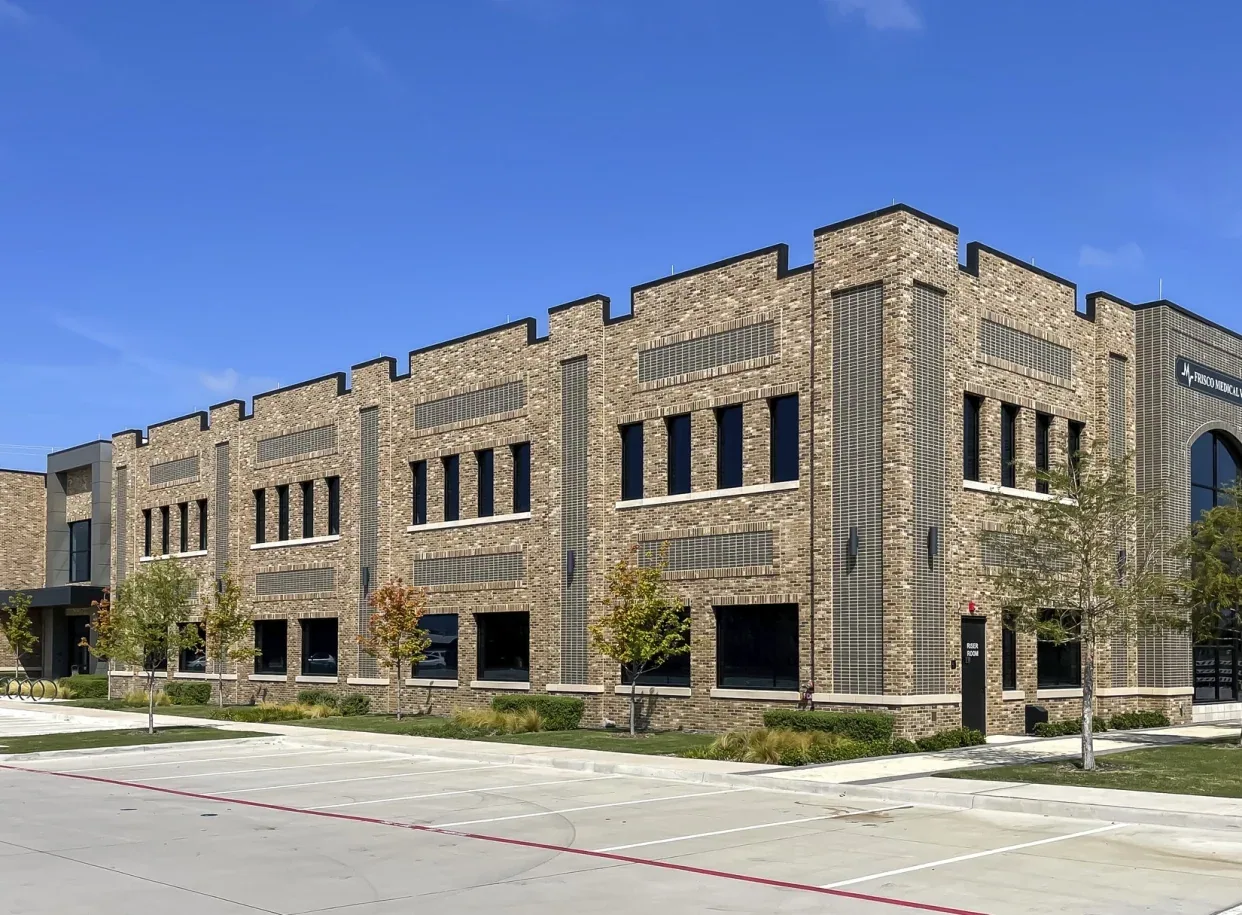 Arrange Shopping Center Roof Service Request a roof assessment or call 555-555-5555. 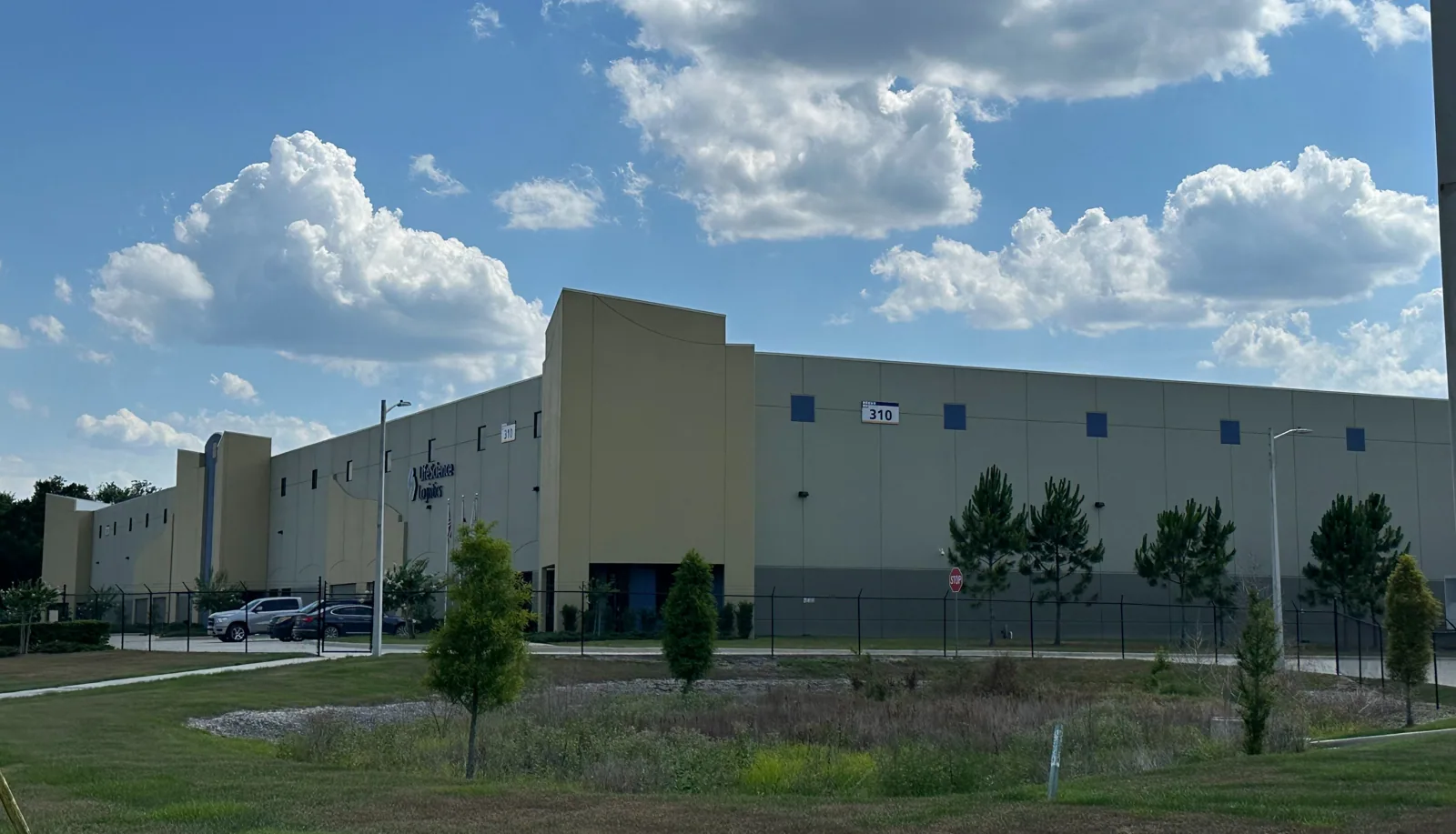 |
Protect Storefront Activity
Work above occupied shops needs a defined zone and notice to the tenants affected. We coordinate roof access, noise, material movement, odors if applicable and any interior protection with the property manager. The work plan states which roof section is active and whether a storefront entrance or delivery lane could be affected. Neighboring tenants can remain open when site conditions and the selected work allow it, but the operating plan must be confirmed for each property.
Rain changes the order of operations. If membrane or insulation is opened, the crew limits the exposed section and closes it with a secure dry-in before leaving. Winter wind may affect edge work and loose temporary coverings. We account for forecast conditions, store hours, access and material staging when setting the sequence. The record identifies any temporary cover separately so the manager can track when permanent repair is complete.
Project cost and duration depend on the roof area, number of leak locations, equipment density, access and whether wet materials or deck damage are found. A shopping center also has tenant notification and staging needs that can change the work window. We identify these drivers in the scope. If a roof serves several suites, findings are mapped so the manager can communicate the repair area without implying that each tenant has the same problem.
A shared shopping-center roof can cross tenant demising lines, yet the water path may not stop at the lease boundary. We record the roof section above the reported suite, then note nearby drains, curbs, parapets and penetrations that could explain the interior symptom. If work affects a storefront or delivery lane, the site contact sets notice and staging. The final record names the suite and roof area without assigning a neighboring tenant's report to the same defect.
Match the Work to the Roof
A single damaged flashing or seam can be repaired when the surrounding roof remains serviceable. Repeated water entry, widespread wet insulation or failing attachment may point to a larger section or replacement. We compare those conditions with the existing roof assembly and tenant schedule. A recover assessment checks whether the existing layers are dry and stable enough to remain. If concealed materials need correction, removal may be more appropriate.
Coating can extend a suitable roof assembly only when the surface, drainage and details meet the system requirements. It will not correct wet insulation, poor attachment or an unresolved leak. A roof restoration review checks those conditions before coating is considered. Replacement planning includes roof edges, drains, rooftop equipment and how each work zone will be protected through Vancouver's rainy season.
Shopping properties share access questions with other customer-facing buildings, but their tenant mix and roof areas differ. A big-box store roof scope may involve a single large operating tenant, while a grocery roof inspection must consider refrigeration and food-service operations. A roof condition report with photos helps owners compare separate retail buildings and prioritize repairs.
Record the Repair by Suite
Closeout includes the roof section, completed repair, photos and any follow-up item. We connect each roof finding to the tenant report and identify the section checked. Access limits and deferred areas remain visible in the record. Property staff can file the report with tenant service tickets and use it to check the same detail later.
Routine service can clear drains and review visible seams, flashings and roof edges before the wet season. We will confirm the work zone with property staff and identify the roof areas included in the visit.
Commercial Roofing Questions
Can you repair a roof leak without closing nearby stores?
We coordinate access, noise, delivery and protection with the property manager and affected tenants. A repair may be completed from the roof, but the reported ceiling area can still need protection or access. The work plan identifies any restriction before the crew starts.
What details help connect a tenant leak to the roof?
The suite number, exact ceiling location, time of the leak and any recent equipment or interior work help narrow the inspection. We then check roof details above and nearby. The report marks visible evidence and any additional testing needed.
Does standing water mean the shopping center roof needs replacement?
Standing water alone does not establish that. We check drains, slopes, seams and insulation conditions to understand why water remains and whether the assembly is affected. The recommendation can range from clearing an outlet to a broader drainage or roof project.
How do you phase work across multiple tenant spaces?
The property manager identifies tenant hours, access routes and sensitive areas. We divide work by roof section and provide the daily limits, dry-in plan and any change to entry or delivery routes. Each completed area is labeled in the closeout record.
Arrange Shopping Center Roof Service Send the Vancouver property address, affected suite, leak location and property contact. We will inspect the relevant roof section and document the work needed. Request a roof assessment or call 555-555-5555.