Commercial Roofing for Retail and Restaurant Chains in Vancouver, WA
Coordinate commercial roof service across retail and restaurant locations with site-specific inspections, leak response and clear scheduling records. A chain may use the same brand standards across many stores, but roof details and operating constraints still vary by building. We label every address and roof section before comparing reports. Vancouver Mall District is a retail-focused area, while Esther Short and Downtown Vancouver mix stores with offices, housing, civic uses and visitor activity. These local settings do not establish a particular tenant's roof type; they explain why loading access, customer entrances and work windows are checked at each site. We record leaks, open seams, drainage issues and repairs with photos tied to the store and date. Portfolio summaries can then show recurring maintenance needs without merging unrelated buildings. Keep Each Site's Information DistinctWe start by confirming the street address, brand location, property contact and party authorized to grant roof access. A chain may lease space in a center, occupy a standalone building or operate within a mixed-use property. Those arrangements can determine who controls the hatch, roof equipment, loading area and repair approval. We ask whether the landlord, tenant, facilities vendor or local manager needs to be included. Vancouver Mall and nearby retail properties serve a large commercial area, while Fourth Plain has a different mix of storefronts and neighborhood services. Vancouver’s central blocks mix low-rise storefronts with taller buildings that place housing and offices above street retail. The location alone does not identify an individual building's roof type or responsibility. We verify each site and document its actual access and occupancy details. For a restaurant, note kitchen hours, exhaust equipment, grease handling access and any customer or employee route near the work area. A retail store may need merchandise protection, opening-hour coordination or a delivery window. We coordinate with the site contact and owner representative so the work plan considers both roof access and activity below. If interior access is needed, it is arranged around operations. When a leak is reported, provide the affected room, ceiling area, date noticed and any history of repeated water entry. We compare that report with roof-level drains, seams, penetrations, equipment curbs and flashing. A stain below an exhaust fan does not by itself prove the fan curb is the source. We document evidence, identify what is uncertain and recommend a test or repair based on the accessible conditions. | 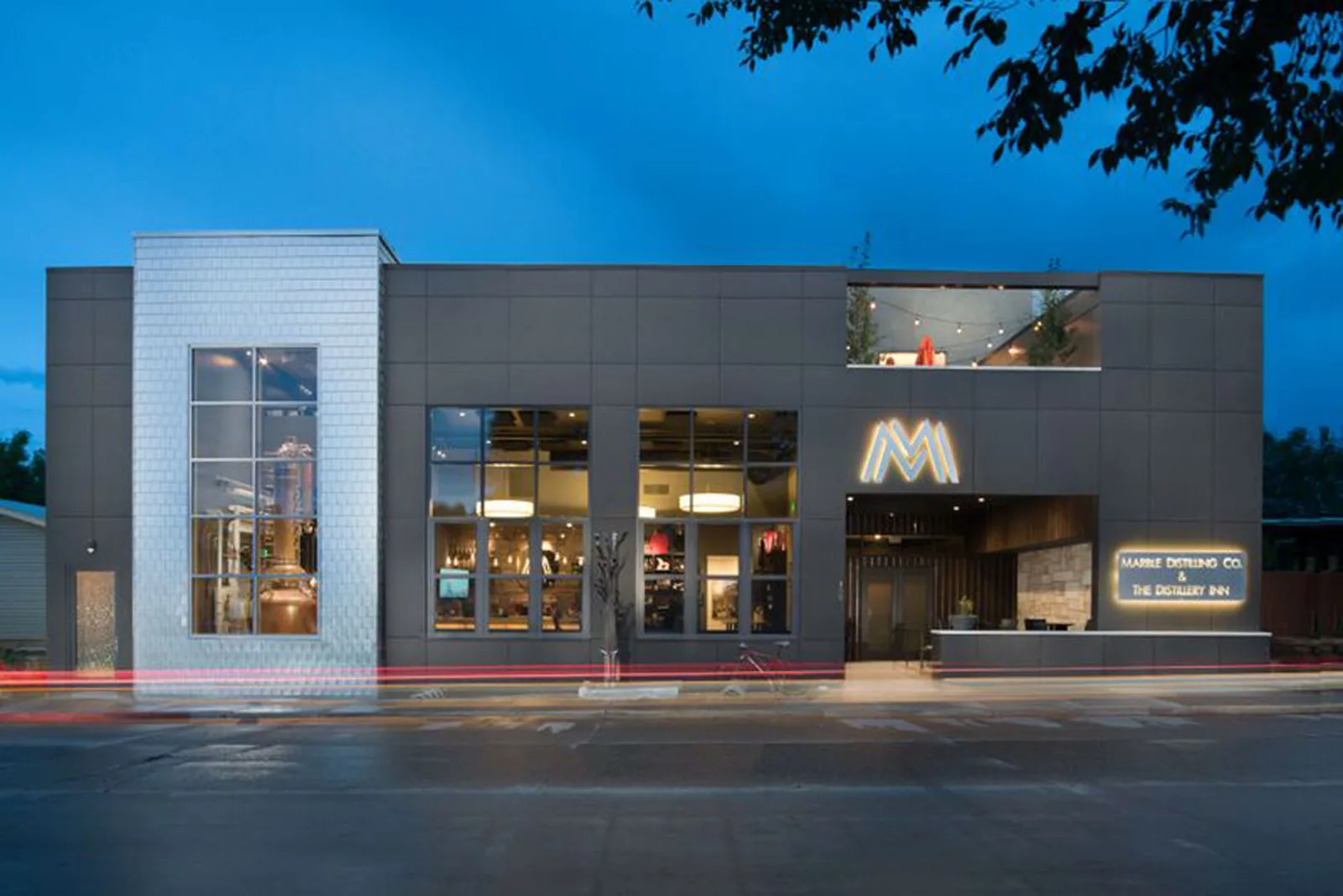 Coordinate Retail Roof Service Request a roof assessment or call 555-555-5555. 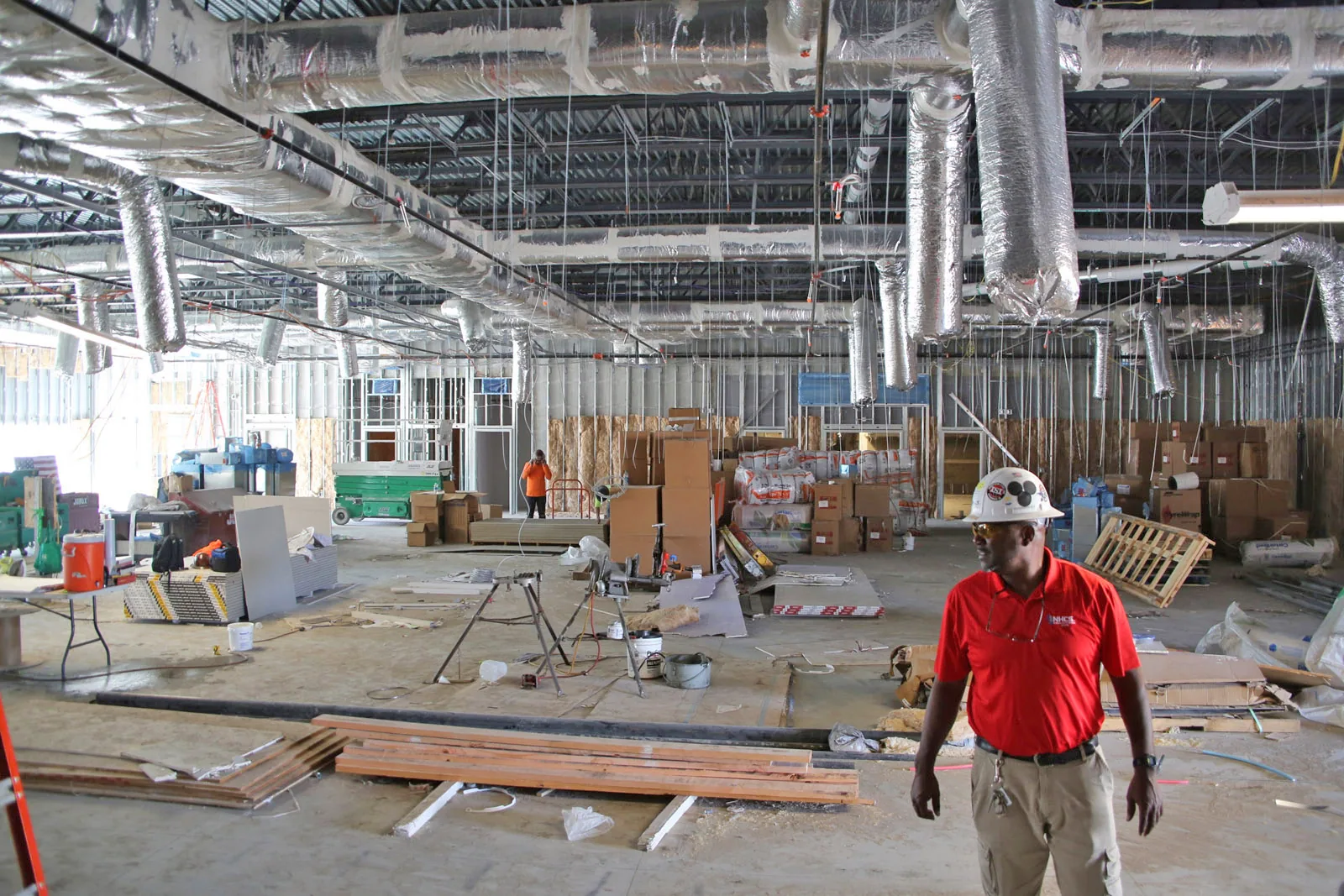 |
Make Findings Comparable Across Stores
For each visit, we label the building and roof sections, then record visible membrane condition, drainage, seams, edges, penetrations and prior repair details. If a roof plan is unavailable, we use clear section descriptions and identify limitations. When the chain has its own location IDs, we include those identifiers so the report can be filed consistently. One store's report does not stand in for another location, even when the brand and interior layout are similar.
Vancouver's cool wet season brings recurring rain, and winter wind can challenge roof edges and transitions. We check visible drainage routes, debris and ponding evidence and note conditions as observed. A roof surface can conceal wet insulation or damage below; a visual inspection cannot confirm hidden assembly conditions. If a moisture survey or opening may answer a particular question, we explain the purpose and list it separately from confirmed findings.
A restaurant roof inspection or shopping center roof review should reflect the actual tenant and building arrangement. A hospitality group may coordinate a similar multi-location schedule, while a property management team may represent the building owner. Clear party and site identification prevents a chain's facilities record from confusing tenant maintenance with owner-controlled work.
We separate urgent water entry from routine maintenance and potential replacement. A small flashing repair may solve a defined defect; repeated leaks or widespread deterioration can warrant broader investigation. Recommendations explain the observed basis, repair boundary and any information needed before finalizing a capital scope. If access was limited by equipment or a locked area, that limit remains visible in the report.
Store managers can report the symptom, but a portfolio lead needs a record that distinguishes one location from another. We label each work order by address and unit, note the operating window, and record whether the issue involves a roof seam, equipment curb, drain or edge. If a similar condition recurs at several stores, those findings can be compared only after each roof is inspected. The resulting history supports maintenance planning without copying a repair specification across buildings with different assemblies.
A portfolio review should compare like conditions, not just count work orders. We can group recurring drain blockage, failed curb flashing or open seams only after the building records identify the same type of defect. The source, roof assembly and nearby equipment still need a site-level check. If a location closes or changes operators, its inspection history stays with the address and roof section. That record helps a facilities lead decide whether the next visit is preventive maintenance, a defined repair or a broader condition review.
Schedule Without Surprising Store Teams
For an active leak, a service visit can assess the area and identify an appropriate response. Temporary cover is described as temporary, with the protected zone and permanent work still due stated plainly. The site contact should confirm customer hours, loading access, alarm or check-in process and who will secure the interior work area.
Planned work should determine whether existing materials are dry and stable enough to remain. If a new roof is needed, the commercial roof replacement plan can state the affected store, roof section, delivery path, tenant hours, work sequence and overnight protection point. Roof layers, equipment, access, moisture and deck condition affect both scope and timing.
A roof capital plan can rank findings across the chain while retaining location-level evidence. Operations teams can compare urgency and known scope, then coordinate approvals with each landlord or property owner. We confirm work dates, access and communication responsibilities with the parties involved rather than assuming a chain-wide protocol. Weather may change the order of field work, so a schedule should include a secure stopping point and update path.
Build a Repeatable Service History
Closeout identifies the address, roof area, work completed, photos, access constraints and remaining recommendations. Store teams and central facilities can retain the same location ID for future repair and maintenance records.
Commercial Roofing Questions
Can roof service happen before a store opens?
Before opening, the store and property contacts can confirm an available work window. Access rules, material delivery, scope and weather determine what can be completed during that period.
Who should authorize repairs in a leased retail space?
Responsibility varies by lease and building, so we identify the owner, tenant and facilities contacts who control roof access and repair approval. Lease responsibility varies, so the parties should identify the correct authorizer for each site.
Can you manage roof records across several locations?
Each report can be tied to its address, brand location ID and roof section. A common program can help compare findings while preserving separate evidence for each building.
What should we do when a leak returns after a repair?
Share the earlier work record, affected interior area and date of recurrence. We can compare the new report with the prior repair boundary and inspect accessible roof details to determine the next step.
Coordinate Retail Roof Service Send the location address, store contact, property manager, operating hours and reported condition. We will confirm roof access and define the site-specific inspection or repair scope. Request a roof assessment or call 555-555-5555.