Duro-Last Commercial Roofing in Vancouver, WA
Inspect Duro-Last commercial roofing in Vancouver, WA, with attention to PVC sheet details, custom-fabricated components, repairs and roof records. Duro-Last is known for its PVC roofing membrane and factory-fabricated components, but the details still need to be checked on the building. We assess Duro-Last commercial roofs in Vancouver, WA, by confirming the membrane, attachment, seams, flashing and project records. The company also offers products such as Duro-Tech TPO and KEE+ PVC configurations. We verify which system is present instead of treating every Duro-Last roof as the same assembly. The Port of Camas-Washougal Industrial Park includes manufacturing, warehouse, distribution and service properties. Downtown Camas combines a historic commercial core, shops, restaurants, offices and community destinations. A commercial roof inspection helps record accessible conditions and define the next step around the particular property and roof area. Verify the Membrane and Fabricated DetailsDuro-Last's flagship membrane is PVC and uses heat-welded seams. The company describes custom-fabricated components made to fit roof features and reduce field fabrication for selected details. Those components can include items used around penetrations and roof edges, depending on the system and specification. A factory-fabricated part still requires a sound fit, attachment and field connection after it reaches the roof. Duro-Tech TPO and KEE+ PVC are distinct product offerings. A roof may also include older material or sections from different construction phases. We review labels, submittals, invoices, warranty records and visible details to establish the installed system. If the records are incomplete, the inspection describes which materials appear identifiable and what needs confirmation before a specific repair is selected. The membrane is one component of a larger assembly. Deck, insulation, cover board, attachment method, perimeter conditions, penetrations and drainage should be reviewed together. Roof plans and project records can help establish concealed layers, while a test opening may be needed to confirm wet insulation or deck damage. We separate direct observations from assumptions so a property manager can make a sound scope decision. Other manufacturers may be present at nearby sites or in the same portfolio, including Versico membrane systems and SOPREMA roof assemblies. We keep the material and repair record matched to each building and each roof section. A service history for one brand cannot be used to specify an accessory for another without compatibility review. | 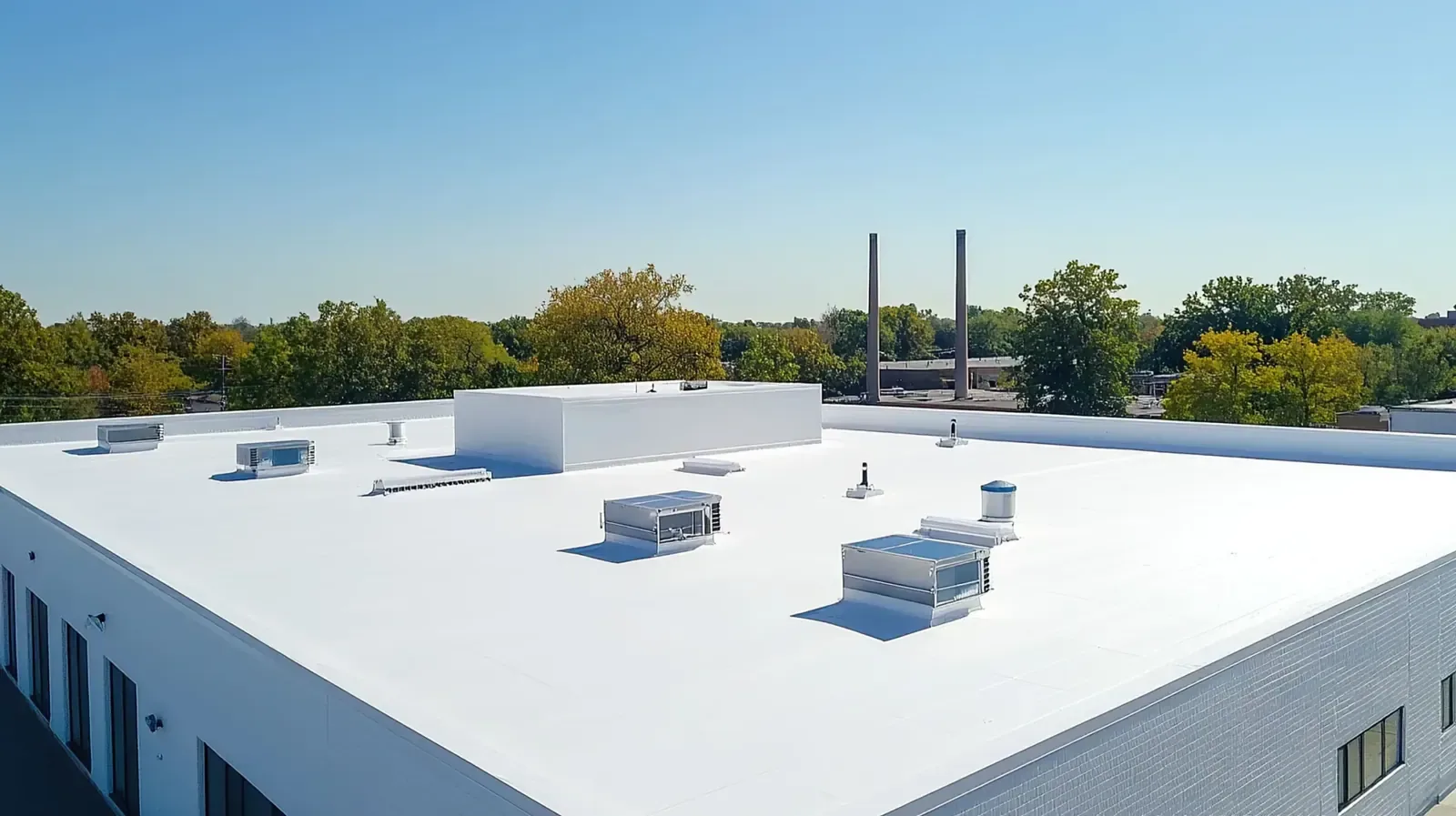 Schedule a Duro-Last Roof Inspection Request a roof assessment or call 555-555-5555. 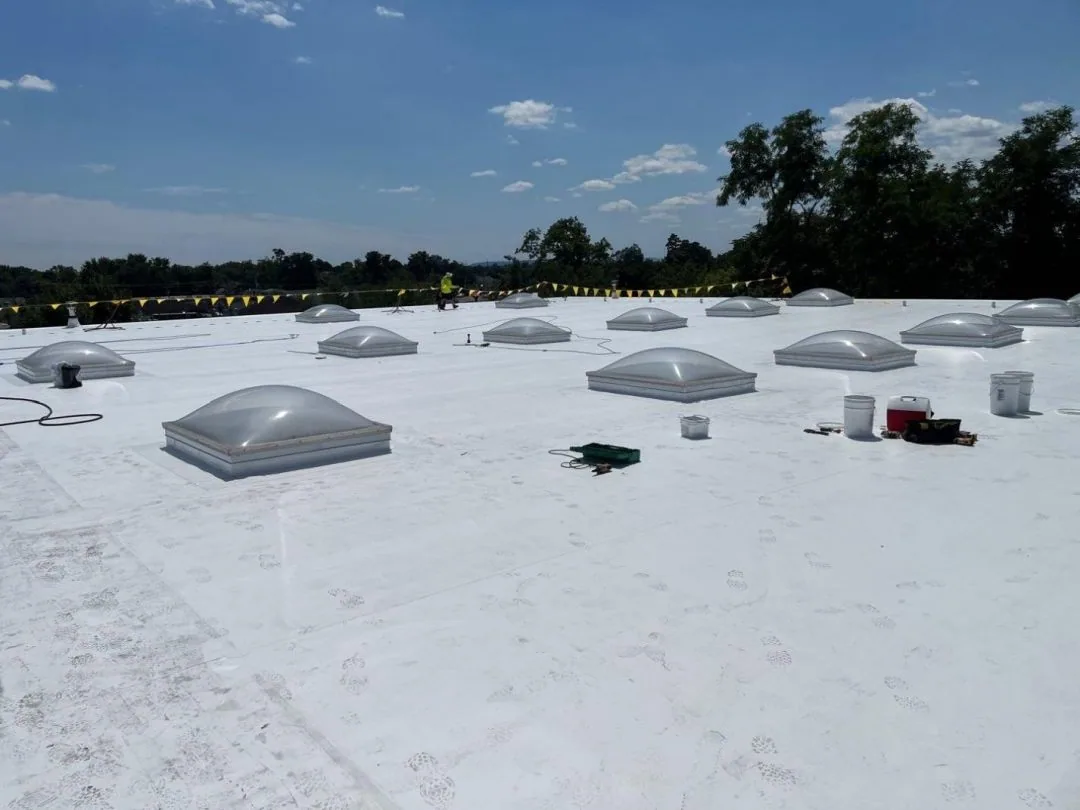 |
Check the Field Sheet and the Fabricated Connections
We inspect field seams, corners, patches, flashing, edge conditions, curbs and penetrations. At each fabricated component, we look for separation, movement, open connections and signs of water entry. A component may appear intact while the adjoining membrane or substrate has changed. We photograph the detail and record its roof location so follow-up work can address the complete connection.
We also review drains, scuppers and visible overflow paths. Debris, water marks or prolonged ponding near a penetration can help explain what should be investigated next. We note conditions observed during the visit and avoid assigning a leak source from a surface mark alone. If below-membrane moisture is suspected, an infrared moisture survey may support targeted confirmation when conditions are appropriate.
At the Port of Camas-Washougal Industrial Park, production and delivery operations can affect material staging, truck routing and roof access. Downtown Camas properties may require coordination around storefronts, public sidewalks and tenant hours. We confirm site contact, escort or lift requirements, and work windows before the crew arrives. The property's operations shape logistics while the installed assembly determines the repair method.
Vancouver-area roofs receive frequent rain during the cool season, and wind can stress perimeter securement. Clean, dry surfaces and product-specific conditions matter for welding, adhesives and flashing work. We record weather and substrate conditions on the visit. If the roof is wet or access is unsafe, the plan identifies whether temporary protection is appropriate and when a permanent repair can be completed.
Address Defects Without Losing the System Detail
A localized repair may be possible when the surrounding sheet, substrate and attachment remain sound. The repair can involve removing damaged material, preparing the surface, welding a compatible patch or restoring the connection at a fabricated component. The actual method depends on the identified membrane, product generation and current instructions. Sealant applied over a loose or wet connection does not resolve the underlying condition.
If several roof areas show deterioration or moisture, a roof recover evaluation reviews existing layers, attachment, deck condition, moisture and design constraints. A commercial roof replacement plan defines removal, insulation, substrate repair, fabricated details, flashing and perimeter work. It should also state which conditions are known and which may be discovered after tear-off.
For an occupied retail or industrial facility, a work plan can coordinate deliveries, roof access, tenant communication, staging and protection below the work area. We define the scope by roof section so an owner understands which details will be repaired and which observations remain for future monitoring. If a roof has several connected phases, we map their boundaries and inspect a representative seam or edge in each area. A repair at a factory-made corner still has to join clean, compatible field membrane. We check the welded perimeter, nearby fasteners and surface condition, then photograph the completed connection. This is especially useful when a later service visit must distinguish the original detail from a patch or replacement component. At closeout, records can identify the building, roof section, product where confirmed, repair location, materials used, photographs and follow-up items. The owner can keep the service note with submittals, warranty documents, roof plans and past maintenance. This is useful for tracing which custom-fabricated details were installed and where later repairs have changed the original assembly. Warranty coverage depends on the actual system, documents and required maintenance. We can organize observed conditions for review, but the owner or warranty holder confirms coverage and required procedures. A preventive roof maintenance visit can log accessible field seams, flashing and drains with dates and photos, building a useful roof-area history over time. To request an evaluation, share the site address, product or project records, leak details, and access requirements. Commercial Roofers Vancouver will assess the available roof evidence and outline an appropriate service or planning step. Duro-Last offers PVC systems as well as Duro-Tech TPO and KEE+ PVC products. The exact system and assembly should be verified from roof records and field evidence. No. Fabricated components still need proper fit, attachment and connection to the roof membrane. We inspect the adjoining material and substrate as part of the detail. We can assess the roof and identify its condition, but the appropriate repair depends on the product generation, surrounding sheet, substrate and compatible materials. The scope notes any remaining uncertainty. Share the building address, system or warranty records, roof area involved, leak history and any escort or access rules. Those details help focus the inspection and coordination.Keep the Duro-Last File Useful for the Next Visit
Commercial Roofing Questions
Is every Duro-Last roof made from the same membrane?
Do factory-fabricated details eliminate field inspection?
Can you repair an older Duro-Last roof?
What should I provide before a Duro-Last service visit?
Schedule a Duro-Last Roof Inspection Provide the address, Duro-Last product records if available, a description of the affected area and access requirements. We will review the roof details and recommend a practical next step. Request a roof assessment or call 555-555-5555.