Commercial Roofing Partner for General Contractors in Vancouver, WA
Coordinate commercial roof inspections, scopes and installation with general contractors on occupied and industrial projects in Vancouver, WA. A roofing package touches schedule, sequencing, waterproofing details, material coordination and closeout. General contractors need a roofing partner who can define the roof scope, identify unknowns and coordinate with the site team before work reaches the critical path. We inspect and perform commercial roof work in Vancouver, WA, with a documented scope, work boundary and closeout for the project team. A commercial roof inspection can establish observed conditions and access limits. A condition report can preserve findings for bid coordination and project records. Define the Roofing Interface EarlyAt preconstruction, we review the building address, drawings, roof plans, specifications, alternates, access notes and project schedule provided by the contractor. We identify which roof areas are included and whether the work is new construction, repair, recover or replacement. If existing conditions differ from the documents, we state the discrepancy and ask for direction before it becomes an assumed scope. We do not infer the assembly solely from building type or a nearby project. Columbia Business Center's rail, highway and river connections reflect the area's industrial setting, but do not establish whether a particular site has laydown space or a delivery route. The Port of Vancouver waterfront handles industrial, warehouse and shipping activity, so a project near the port may need careful coordination with site operations. We confirm the gate, receiving contact, delivery hours, staging area, crane or lift needs and site safety requirements with the GC team. Roofing interfaces may include mechanical curbs, walls, parapets, edge metal, drains, roof hatches, skylights, penetrations and adjacent trades. We review detail responsibility and sequence with the project team, including who provides blocking, supports, temporary protection or final tie-ins. If a drawing leaves an interface unclear, we identify the question and the responsible decision path. This reduces the risk that field assumptions are mistaken for approved design. On occupied projects, the GC can identify operating hours, interior access needs, protection requirements and required notifications. Vancouver's cool wet season and winter rain influence dry-in planning; daily work should have a defined point where the building is secure if conditions change. We coordinate schedule dependencies with the GC rather than promising a duration before access, scope and material availability are confirmed. | 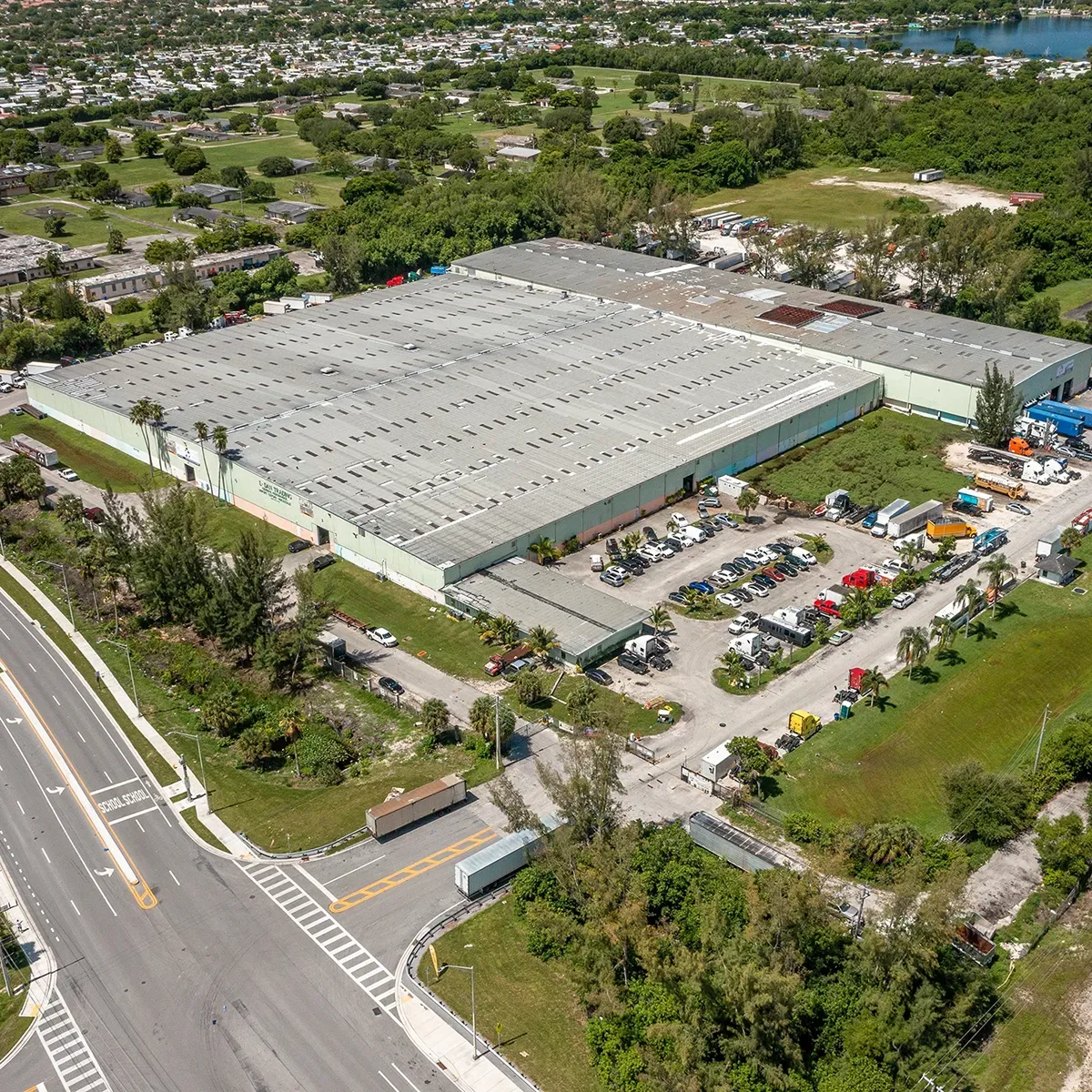 Coordinate a Vancouver Roofing Scope Request a roof assessment or call 555-555-5555.  |
Separate Base Work From Field Conditions
Our scope describes roof sections, removal or recover assumptions, substrate and deck expectations, included flashing, penetrations and stated exclusions. It identifies whether a visual review supports the planned work or whether test cuts, moisture evaluation or other investigation is needed. Unknown concealed conditions are listed separately from the defined base scope. If opening the roof reveals wet insulation or damaged deck, we document the condition and coordinate a change through the GC's process.
Before a recover is carried in the bid, verify the existing layers, deck condition, attachment and moisture with the tests the scope permits. A commercial roof replacement scope defines the work boundary and daily dry-in. Where new construction or renovations require roof installation, drawings and project specifications govern the approved design; we coordinate roofing details with the design and construction team rather than substituting an unreviewed assembly.
For a manufacturing facility, equipment and operations can shape access and sequencing. A plant representative may need to coordinate production constraints, while a warehouse operator may control loading routes. The GC remains the project coordination point as agreed by the team, with access and approvals confirmed for the specific site.
Schedule and cost depend on access, material lead times, roof layers, equipment, weather, moisture and deck repairs. We describe assumptions so the contractor can evaluate scope coverage and trade coordination. If the bid set changes, we review the affected roofing detail instead of relying on the earlier version.
Coordinate Safe Installation and Closeout
Before mobilization, we confirm submittal status, approved details, material delivery, roof access, staging, fall protection coordination and site orientation. The GC can identify site-specific safety rules, permits, hot-work controls and the daily communication channel. We agree on who can authorize field changes and how concealed conditions are recorded. A clear chain of direction helps the team keep work aligned with the contract documents.
During installation or repair, we protect the work area, coordinate penetrations and transitions, and secure open roof areas at the end of each shift. Rain or wind can alter the sequence. The team should know the temporary dry-in condition, who inspects it and how a schedule change is reported. We document field conditions and agreed adjustments so the final record reflects what was installed.
At closeout, we provide records relevant to the roofing scope, including completed areas, photos, product or warranty materials when applicable, and any remaining items identified for correction or monitoring. A roof warranty management service can help an owner organize warranty details after turnover. A building owner may rely on the same records for capital files, while a property manager can maintain future service history.
Share the project address, GC contact, latest roof drawings, schedule milestones and access requirements so the bid or field scope can be reviewed accurately.
Close Out the Roofing Package
Project turnover should identify installed areas, approved substitutions or detail revisions, photographs and remaining corrective items. We provide records relevant to the roofing work and coordinate any requested warranty documentation with the project requirements. The GC can then route the package to the owner or facilities team with a clear description of what was completed and which items remain open.
If a site condition changed the original sequence, the closeout can reference the approved direction and the affected roof section. This record helps later maintenance teams understand why a detail differs from the bid drawing and where concealed work occurred. The owner can retain it alongside roof plans, inspections and service history.
Before demobilization, we review the agreed roofing scope with the GC contact, confirm that access and temporary protection are removed or transferred as planned, and identify any follow-up inspection. A concise record helps the team verify completion without obscuring unresolved items.
Commercial Roofing Questions
Can you review roofing scope before a bid is submitted?
Yes. Provide the current roof plans, details, specifications, addenda and schedule. We can identify the included areas, assumptions and questions that need clarification before pricing or mobilization.
How do you handle concealed damage discovered after opening the roof?
We document the exposed condition with photos, identify the affected area and coordinate with the GC through the agreed change process. Additional work is scoped after the finding and direction are reviewed.
Can you coordinate with mechanical and other trades?
We can review roof interfaces, penetrations, supports and sequencing with the GC and trade partners. Design responsibility and field approvals are confirmed by the project team.
What do you need to plan roofing work on an occupied project?
Share work hours, tenant or facility contacts, access restrictions, interior protection needs, delivery routes and project milestones. We use those details to define a workable sequence and daily dry-in plan.
Coordinate a Vancouver Roofing Scope Send the project address, latest roof documents, bid or construction schedule, site contact and access requirements. We will review the defined roofing areas and identify open scope questions. Request a roof assessment or call 555-555-5555.